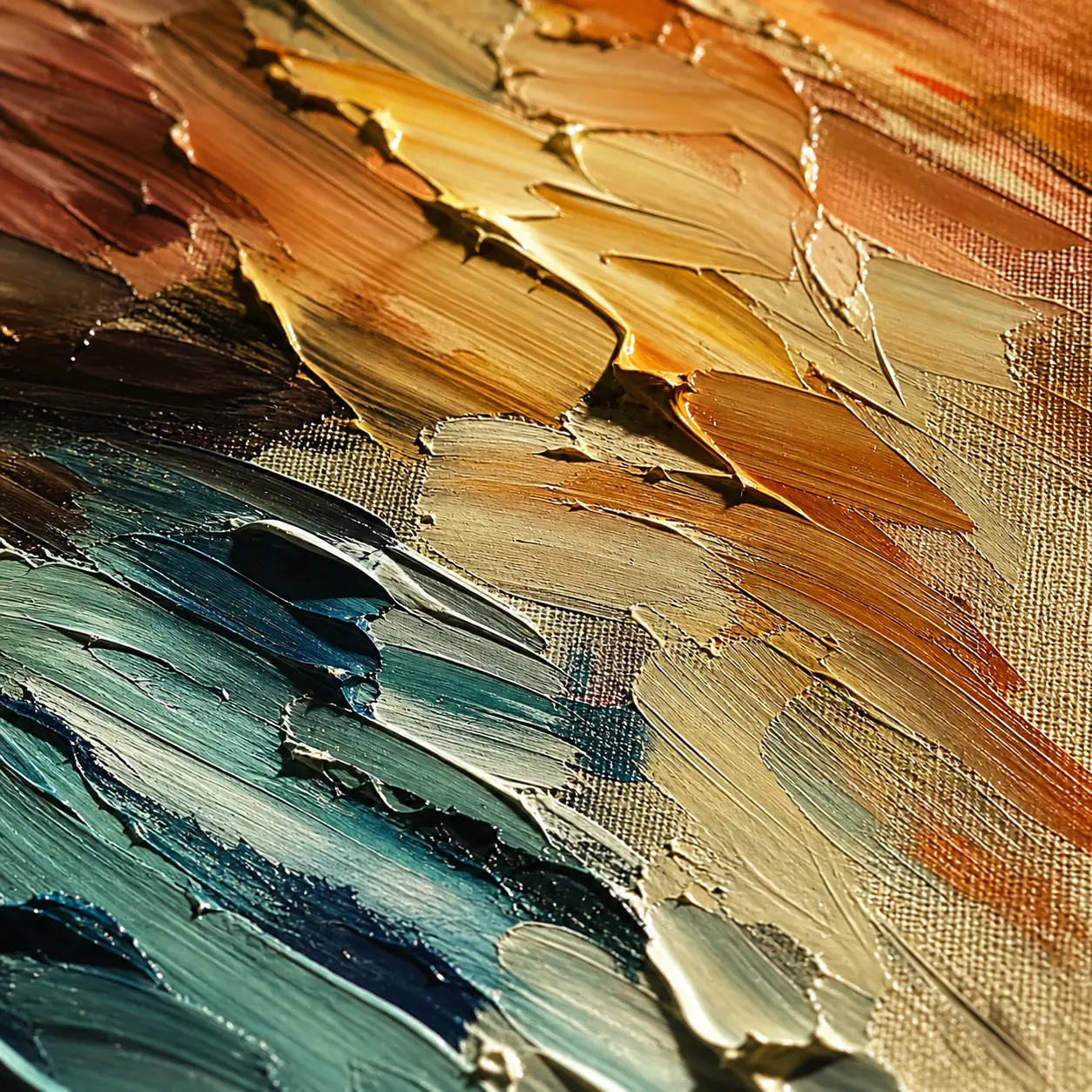
Buying an oil painting online? Start with the surface, not the product title. A hand-painted oil painting should show evidence in how paint sits on the canvas, how brush marks change under low-angle light, and how edges behave. Ask for close-up and process proof before you order. A print can reproduce an image; a hand-painted work is built with paint.
This guide is written for buyers choosing oil painting reproductions, custom portraits, or large wall art online. It does not ask you to damage the artwork or use risky tests. Instead, it gives you a practical inspection method you can use from product photos, seller messages, item-specific confirmation images, and delivery checks.
The Short Answer: Combine Surface And Process Proof
You can often tell if an oil painting is hand painted by looking for irregular brush direction, raised or layered paint, small edge variations, changes under angled light, and proof that the work went through a studio painting process. A flat, perfectly uniform image surface can point toward a print, even if it is printed on canvas.
No single sign is enough. Some prints are coated with texture gel, and some hand-painted works are intentionally smooth. The safest decision comes from combining surface clues with seller proof: close-up photos, side-edge images, reference or progress confirmation, and a clear shipping preparation path.
This checklist is buyer due diligence, not appraisal or authentication. It can help you decide whether an online listing behaves like a hand-painted reproduction or a textured print. It should not be used to assign authorship, market value, conservation condition, or official status to a historical artwork.
1. Look For Brush Direction, Not Only Texture
Raised texture alone does not prove a painting is hand painted. Some printed canvases are coated after printing to imitate paint. The more useful clue is brush direction. On a hand-painted oil painting, strokes usually follow the logic of the subject: curved marks around a face, broken strokes in foliage, heavier movement in skies, or directional strokes in a Van Gogh-style reproduction.
When the surface texture looks identical across every part of the image, be careful. Real painting decisions are rarely so mechanical. A painter changes pressure, edge softness, and stroke length according to the form being painted. Ask for a close image of a light area, a dark area, and a transition area. The brushwork should relate to the image, not sit like a uniform coating over it.
2. Check Raised Paint And Layering Under Angled Light
Oil paint has body. Even in a refined, smooth painting, the surface often shows small changes where layers meet, highlights are pulled forward, or darker passages are glazed. Under angled light, a hand-painted surface may show ridges, soft transitions, dry brush marks, or thicker accents.
If every highlight and shadow remains perfectly flat when photographed from the side, the work may be a print or a very thinly painted piece. If you are buying online, ask the seller for a close-up photo taken from a low angle beside a window or lamp. You are not looking for exaggerated texture everywhere. You are looking for a surface that behaves like paint rather than ink.
3. Inspect Edges And Transitions
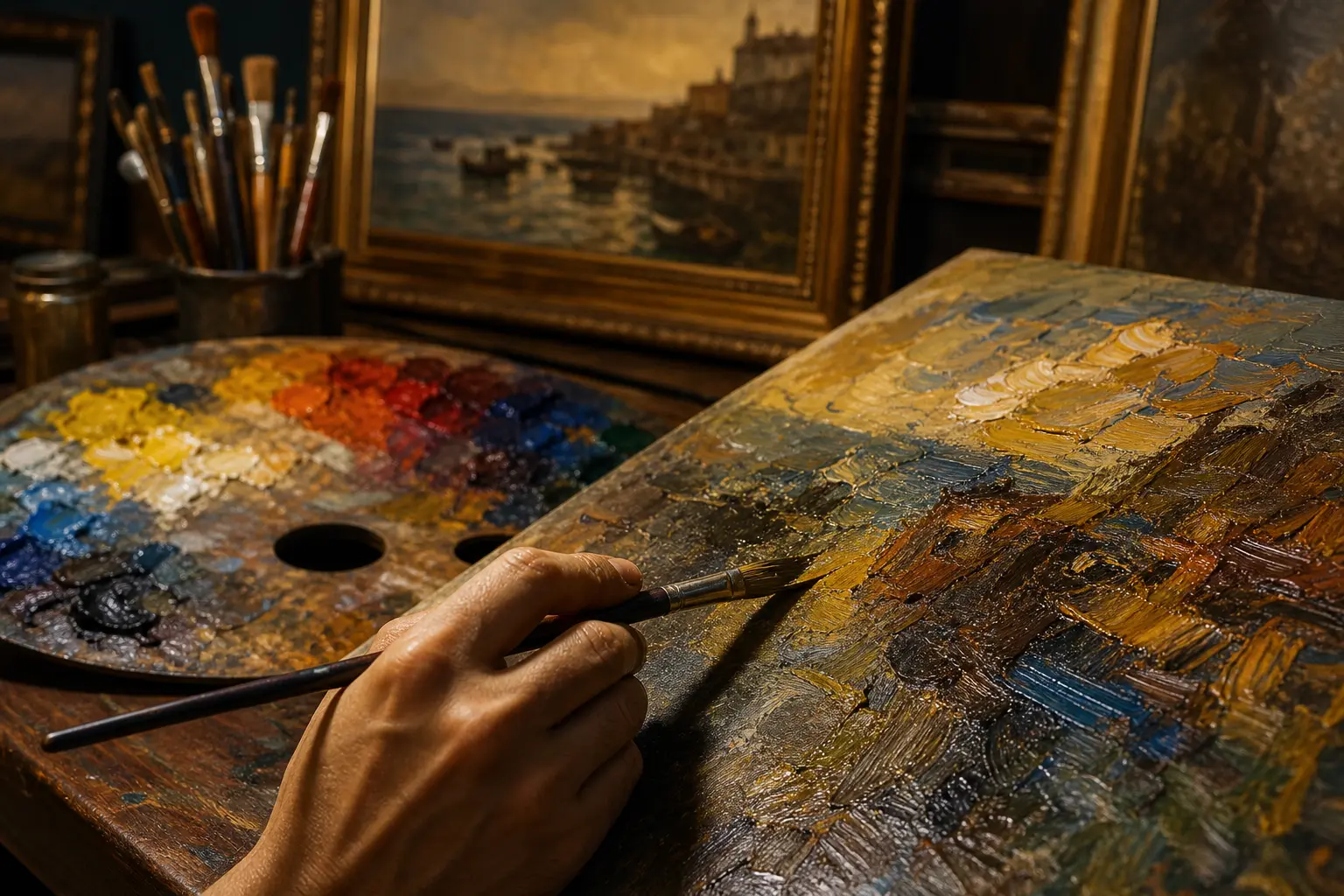
Edges reveal a lot. In a print, the boundary between two colors often looks mechanically clean because the image was reproduced from a file. In a hand-painted work, transitions are made by touch. A portrait edge may soften into the background. A landscape tree line may have broken marks. A highlight may sit above a darker layer instead of being only a printed color.
This does not mean rough work is better. Skilled painters can make very controlled edges. The point is to look for human variation that serves the subject. If a seller provides only full-room mockups or front-facing thumbnails, request closer evidence before treating the work as hand painted.
4. Compare Repeating Patterns
Printed canvases and texture-coated prints can show repeating surface patterns. Look for identical bumps, evenly distributed grain, dot or screen patterns under non-invasive magnification, or the same texture behavior across the sky, face, clothing, and background. A hand-painted oil painting usually has different paint handling in different zones because the painter responds to subject matter.
For example, a painted flower may have thicker highlights on petals, thinner shadows in the background, and varied strokes around leaves. A printed flower may show the flower image clearly, but the surface layer may feel unrelated to those forms. This difference matters when the artwork will be inspected closely or displayed under directional lighting.
5. Ask For A Side-Edge Or Corner Photo
A side-edge photo can help, especially on stretched canvas. On some hand-painted works, paint may continue slightly around the edge or show small handling marks at the corner. On many prints, the side edge may show a printed wrap, a clean blank edge, or a uniform manufactured finish.
This clue is not absolute. Some real paintings have clean painted edges, and some printed canvases use gallery wraps. Use the edge photo as one part of the check, not the whole decision. The best side image shows the canvas thickness, the surface edge, and a small section of the painted face in the same frame.
For more material context, compare the edge check with the DafenArts guide to hand-painted oil painting on canvas materials. Canvas support, paint behavior, and side finish work together; none of them should be treated as a single absolute test.
6. Review The Back, Frame, And Shipping Clues
The back of the canvas will not prove everything, but it can support the story. A serious seller should be able to show how the canvas is stretched or prepared for shipping, and should explain whether the work ships rolled, stretched, framed, or packed for the buyer’s location. Avoid making a decision from the front image alone when the order value is high.
For shipped artworks, also check the seller’s policy pages and communication path. DafenArts buyers can review the shipping policy and ask the studio about packing expectations before placing a custom or high-value order.
7. Ask For Process Proof Before You Buy
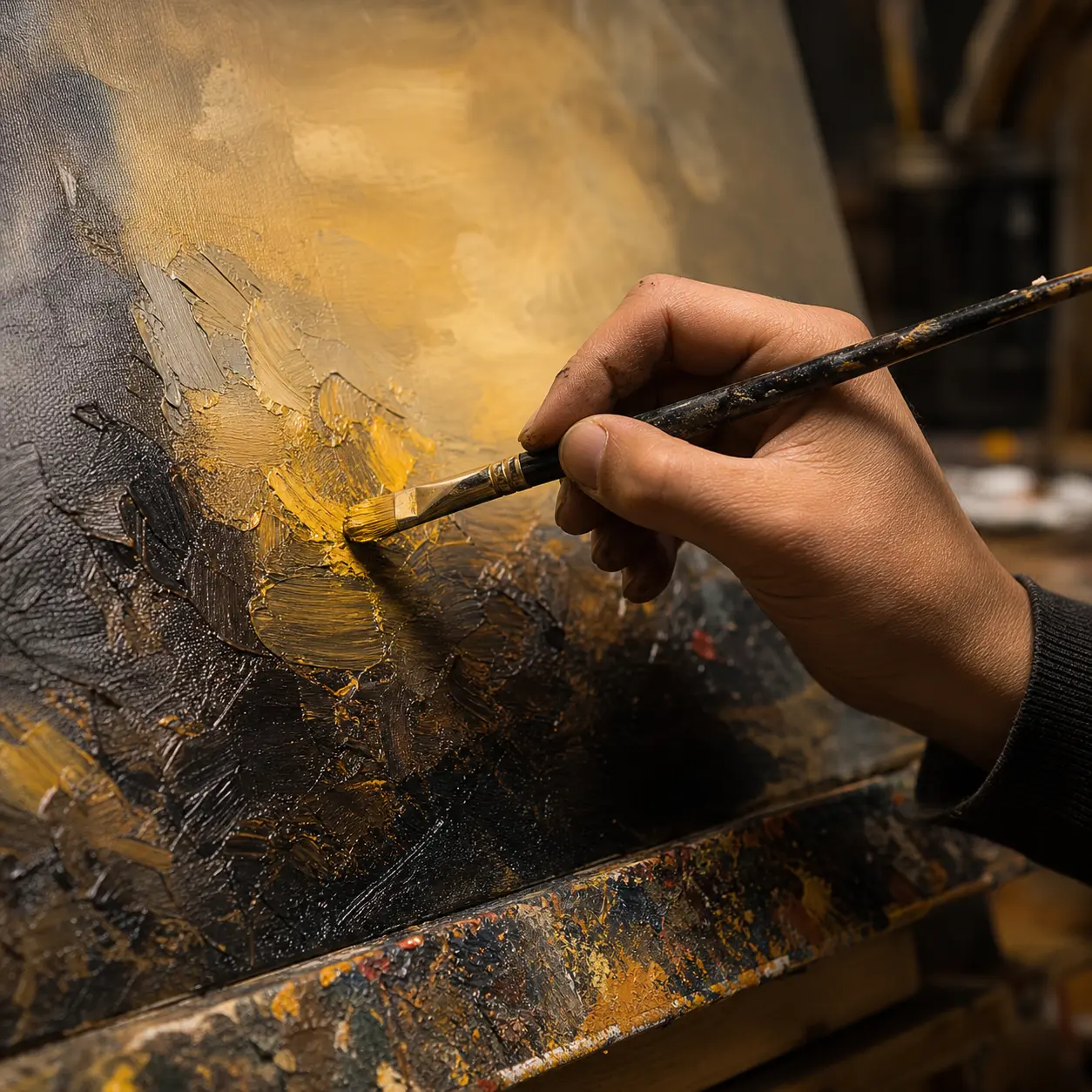
Surface inspection is stronger when it is paired with process proof. For a hand-painted reproduction or custom oil painting, useful proof can include reference review, progress images, close-up details, photo confirmation before shipping, and a clear studio contact path. These do not need to be theatrical. They need to be specific enough to show that the work exists as a painted object.
For custom work, process proof is especially important because the buyer is not only checking whether the piece is painted. The buyer is also checking whether the subject, scale, color mood, and composition match the reference. The DafenArts custom oil painting service is the right path when you need a specific portrait, pet, landscape, room size, or artwork reference interpreted as an oil painting.
Quick Inspection Table
| What To Check | Hand-Painted Signal | Print Or Weak-Proof Signal |
|---|---|---|
| Brush direction | Marks follow faces, skies, foliage, fabric, or the artist style being reproduced. | Texture looks unrelated to the image or identical across every area. |
| Angled light | Surface changes with small ridges, layers, or visible paint body. | Image remains flat, or only a uniform coating catches light. |
| Edges | Soft, broken, or controlled transitions made by hand. | Mechanically sharp image boundaries with no paint behavior. |
| Close-up proof | Seller can provide macro or near-surface images from different zones. | Seller only provides mockups, thumbnails, or distant room renders. |
| Process | Reference review, painting communication, confirmation photos, and shipping preparation are clear. | Description claims “oil painting” but gives no studio or surface evidence. |
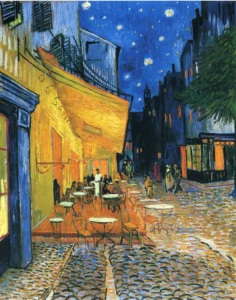
Café Terrace at Night - Nocturnal - Textured
Cafe Terrace at Night (Master Studio)Est. Value Price range: $400.00 through $1,500.00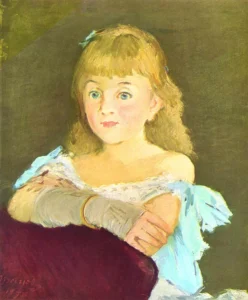
Portrait of Lina Campineanu (1878) - Hand-Painted Oil Reproduction
edouard manet (Master Studio)Est. Value Price range: $340.00 through $1,500.00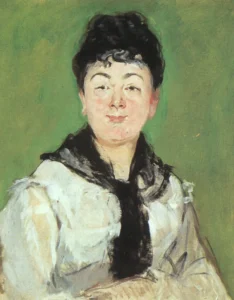
Portrait of a lady with a black fichu (1878) - Hand-Painted Oil Reproduction
edouard manet (Master Studio)Est. Value Price range: $402.00 through $658.00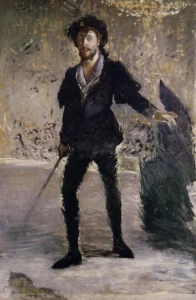
Portrait of Faure as Hamlet (1877) - Hand-Painted Oil Reproduction
edouard manet (Master Studio)Est. Value Price range: $371.00 through $2,648.00
-
Café Terrace at Night - Nocturnal - Textured
Cafe Terrace at Night (Master Studio)Est. Value Price range: $400.00 through $1,500.00 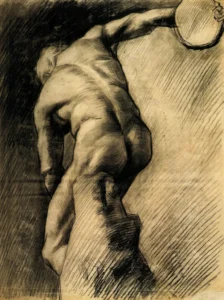
The Discus Thrower - Dynamic - Impasto Oil
athletic pose (Master Studio)Est. Value Price range: $393.00 through $725.00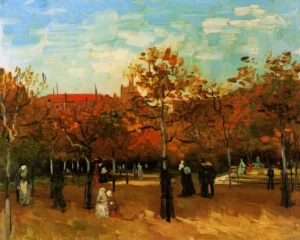
The Bois de Boulogne - Serene Stroll - Hand-Painted Oil
hand-painted oil painting (Master Studio)Est. Value Price range: $338.00 through $1,500.00
Terrace in the Luxembourg Garden - Serene - Impasto Oil
hand-painted oil painting (Master Studio)Est. Value Price range: $362.00 through $695.00
Can A Print Be Textured?
Yes. Some prints are coated with gel, varnish, or textured medium after printing. That can create a raised surface, but it does not make the image hand painted. The key question is whether the paint marks construct the image or merely sit over a printed image.
This is why buyers should not rely on the phrase “textured canvas” alone. Ask whether the artwork is painted by hand with oil paint, whether it is a print with surface coating, or whether it is a mixed process. A trustworthy seller should answer directly.
If you are comparing this evidence with a printed canvas, read the giclee vs hand-painted oil painting guide alongside this checklist.
How This Applies To Masterwork Reproductions
For famous artwork reproductions, the inspection should match the artist style. A Van Gogh reproduction needs directional movement and visible painted energy. A Monet-inspired work needs broken color and atmospheric transitions. A Rembrandt-style portrait needs controlled depth and shadow handling. The goal is not only to copy the image, but to recover enough of the material behavior for the work to feel like an oil painting on the wall.
Buyers can browse the DafenArts Master Artists collection when they want hand-painted oil painting reproductions organized by artist. If you are comparing a reproduction with a printed poster, ask for close proof from the painting surface before making the final decision.
Red Flags When Buying Online
Be cautious when a listing says “oil painting” but only shows a flat front image. Be cautious when the same texture appears over every subject area. Be cautious when a seller cannot provide close-up or side-angle proof. Also be cautious when a page uses broad praise but gives no material process, no canvas evidence, no studio review, and no clear way to ask questions before shipping.
None of these signs automatically proves dishonesty. Some sellers simply have poor product photography. But if you are buying a serious wall piece, a custom portrait, or a reproduction intended to carry real presence in a room, weak proof should slow the purchase decision.
Also be careful with high-risk words. A listing can be hand painted without being the original artwork, official, licensed, authorized, museum-certified, or identical to a historic painting. Those claims require direct proof. For a new reproduction, the safer question is whether the painted surface, reference review, and seller process support the product claim.
What To Ask A Seller Before Ordering
- Surface proof: Can you send close-up photos from a highlight, a shadow, and a transition area?
- Angle proof: Can you photograph the surface from the side so the paint body catches light?
- Edge proof: Can you show the canvas side or corner?
- Process proof: For a custom or reproduction order, can you confirm the reference, size, painting step, and photo confirmation path?
- Shipping proof: How will the painting be prepared for delivery, and where can I read the shipping policy?
These questions are reasonable for a hand-painted oil painting purchase. A good studio should not need to hide the surface.
Final Buyer Rule
If the artwork is only needed as a decorative image, a print may be enough. If you are paying for a hand-painted oil painting, look for surface evidence and process evidence together. The most convincing proof is not a dramatic claim. It is a set of simple images and explanations that show paint, canvas, studio handling, and the path from reference to finished artwork.
Start with the Master Artists collection for hand-painted reproductions, or use the custom oil painting request path when you need a specific image, size, or room direction. To understand the studio background behind the brand, see About DafenArts.
Frequently asked questions.
Direct answers for buyers comparing hand-painted oil painting options, custom details, and the next step before ordering.
Look for brush direction that follows the subject, raised or layered paint under angled light, varied edges, and close-up proof from different areas of the canvas. Then confirm the seller can explain the painting process, reference review, and shipping preparation.
Yes. A print can be coated with gel, varnish, or texture medium. Texture alone does not prove the image was painted by hand. The stronger clue is whether the brushwork constructs the image rather than sitting as a uniform coating over a print.
No. Do not scrape, rub with solvent, or damage the surface. For online buying, ask for close-up, angled-light, side-edge, and process photos. For a delivered artwork, inspect visually and contact the seller if the surface does not match the claim.
No. A hand-painted reproduction is a new painted work made after a reference or famous artwork. It is not the historical original. Its value is in the painted surface, custom size, studio execution, and how it functions as a real oil painting in the room.