A giclee print and a hand-painted oil painting can reproduce the same image, but they do not create the same object. For buyers searching giclee vs hand painted oil painting, giclee vs oil painting, or canvas print vs oil painting, the real decision is whether the artwork should function as a precise printed image or as a physical painted surface. A giclee is a high-resolution print. A hand-painted oil painting is built by a painter through layered color, visible brushwork, surface variation, drying, and finishing. That difference matters when the work will sit above a sofa, anchor a hotel lobby, or reproduce a famous painting as a physical art object rather than a flat image.
This guide is for buyers comparing a printed canvas with a real oil painting before they invest in a reproduction, custom portrait, or large wall artwork. It also answers the common hand-painted oil painting vs print question: when is a flat image enough, and when is a painted canvas worth the slower studio route? The right choice depends on budget, purpose, wall scale, and how much you value texture, depth, and studio execution.
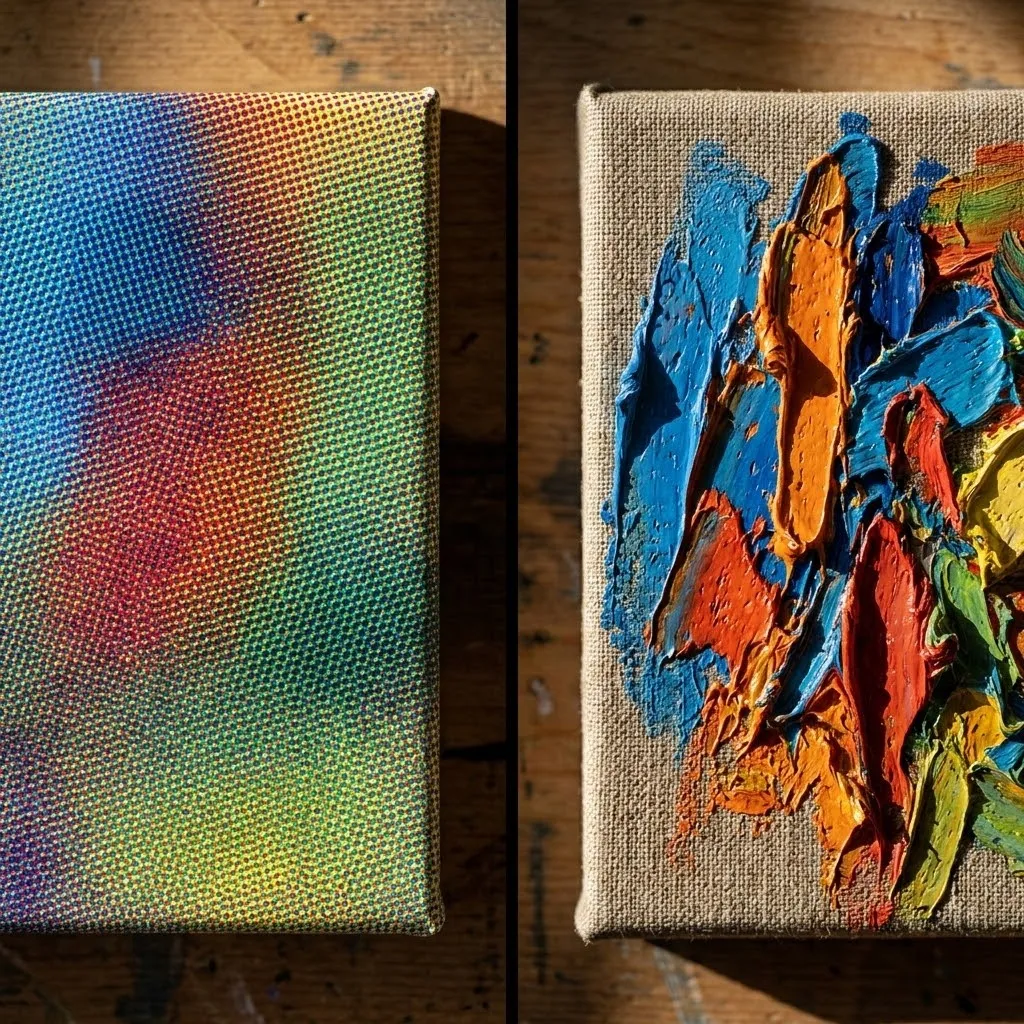
Giclee vs Oil Painting: The Short Answer
A giclee print is usually chosen for image accuracy, speed, and lower cost. It can be useful when the buyer wants a decorative image, a poster-like reproduction, or a fast design solution. The visual information is printed onto paper or canvas by an inkjet process.
A hand-painted oil painting is chosen when the buyer wants a crafted surface. The image is interpreted by a painter, not only reproduced by a machine. Brush direction, paint thickness, glazing, dry edges, and small human decisions change how the work responds to light. The result is not just an image of a painting. It is a painting.
The safest comparison is not “print bad, painting good.” A giclee can be the right answer when image consistency and budget matter most. A hand-painted oil painting is the better route when the buyer needs physical paint, custom size discussion, close-view surface proof, and a reproduction or portrait that behaves like an artwork object in the room.
Quick Comparison For Buyers
| Decision Point | Giclee Print | Hand-Painted Oil Painting |
|---|---|---|
| Surface | Printed image on paper or canvas | Layered paint with visible brushwork |
| Light response | Mostly flat and consistent | Changes with texture, angle, and room lighting |
| Customization | Usually limited to print size and substrate | Can adjust size, color mood, subject, and composition |
| Best use | Decorative image, temporary space, budget-led project | Statement wall, custom portrait, masterwork reproduction, formal interior |
| Buyer risk | May look less substantial up close | Requires a clear studio process and proof before shipping |
| Best proof to ask for | Print process, substrate, size, frame, and edition or production details when relevant | Close-up brushwork, low-angle surface photos, edge views, reference review, and pre-shipping confirmation |
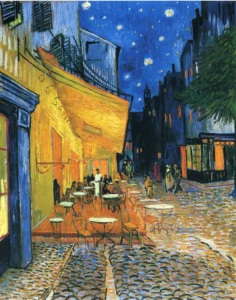
Café Terrace at Night - Nocturnal - Textured
Cafe Terrace at Night (Master Studio)Est. Value Price range: $400.00 through $1,500.00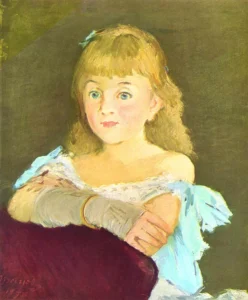
Portrait of Lina Campineanu (1878) - Hand-Painted Oil Reproduction
edouard manet (Master Studio)Est. Value Price range: $340.00 through $1,500.00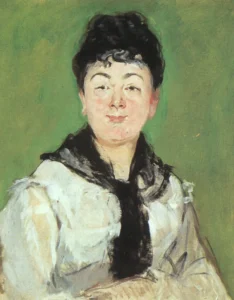
Portrait of a lady with a black fichu (1878) - Hand-Painted Oil Reproduction
edouard manet (Master Studio)Est. Value Price range: $402.00 through $658.00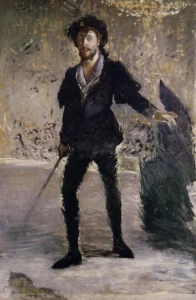
Portrait of Faure as Hamlet (1877) - Hand-Painted Oil Reproduction
edouard manet (Master Studio)Est. Value Price range: $371.00 through $2,648.00
-
Café Terrace at Night - Nocturnal - Textured
Cafe Terrace at Night (Master Studio)Est. Value Price range: $400.00 through $1,500.00 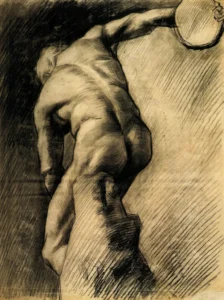
The Discus Thrower - Dynamic - Impasto Oil
athletic pose (Master Studio)Est. Value Price range: $393.00 through $725.00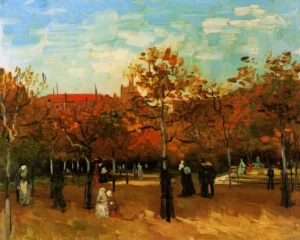
The Bois de Boulogne - Serene Stroll - Hand-Painted Oil
hand-painted oil painting (Master Studio)Est. Value Price range: $338.00 through $1,500.00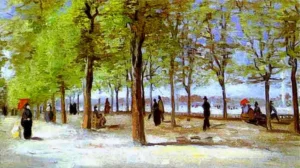
Terrace in the Luxembourg Garden - Serene - Impasto Oil
hand-painted oil painting (Master Studio)Est. Value Price range: $362.00 through $695.00
What A Giclee Print Does Well
Giclee printing can be a sensible choice for some projects. It is consistent, predictable, and relatively easy to produce in many sizes. For temporary decor, budget-sensitive projects, or situations where the wall only needs a flat image, a giclee may be enough.
The limitation is physical. Even when a print is made on canvas, the image remains ink on a surface. Texture can be simulated visually, but the printed canvas does not carry the raised ridges, paint body, or individual brush decisions of an oil painting. From a distance, a good print may look convincing. Up close, and under changing light, the difference becomes easier to see.
What Changes In A Hand-Painted Oil Painting
In a hand-painted oil painting, the surface is constructed. A painter lays in forms, adjusts color relationships, builds highlights, softens transitions, and decides where the brush should remain visible. In a reproduction, those choices matter because famous works often depend on more than composition. They depend on movement, pressure, edge quality, and paint behavior.
For buyers considering a hand-painted reproduction, the most useful question is not only “Does it look like the image?” It is also “Will it behave like an oil painting on the wall?”
Texture, Light, And Wall Presence
Wall presence is where the difference becomes practical. A flat print tends to keep the same appearance as the viewer moves. A hand-painted oil painting changes subtly with the room. Raised strokes catch highlights. Dark passages absorb light differently. Satin or gloss variation can make the image feel deeper than the canvas plane.
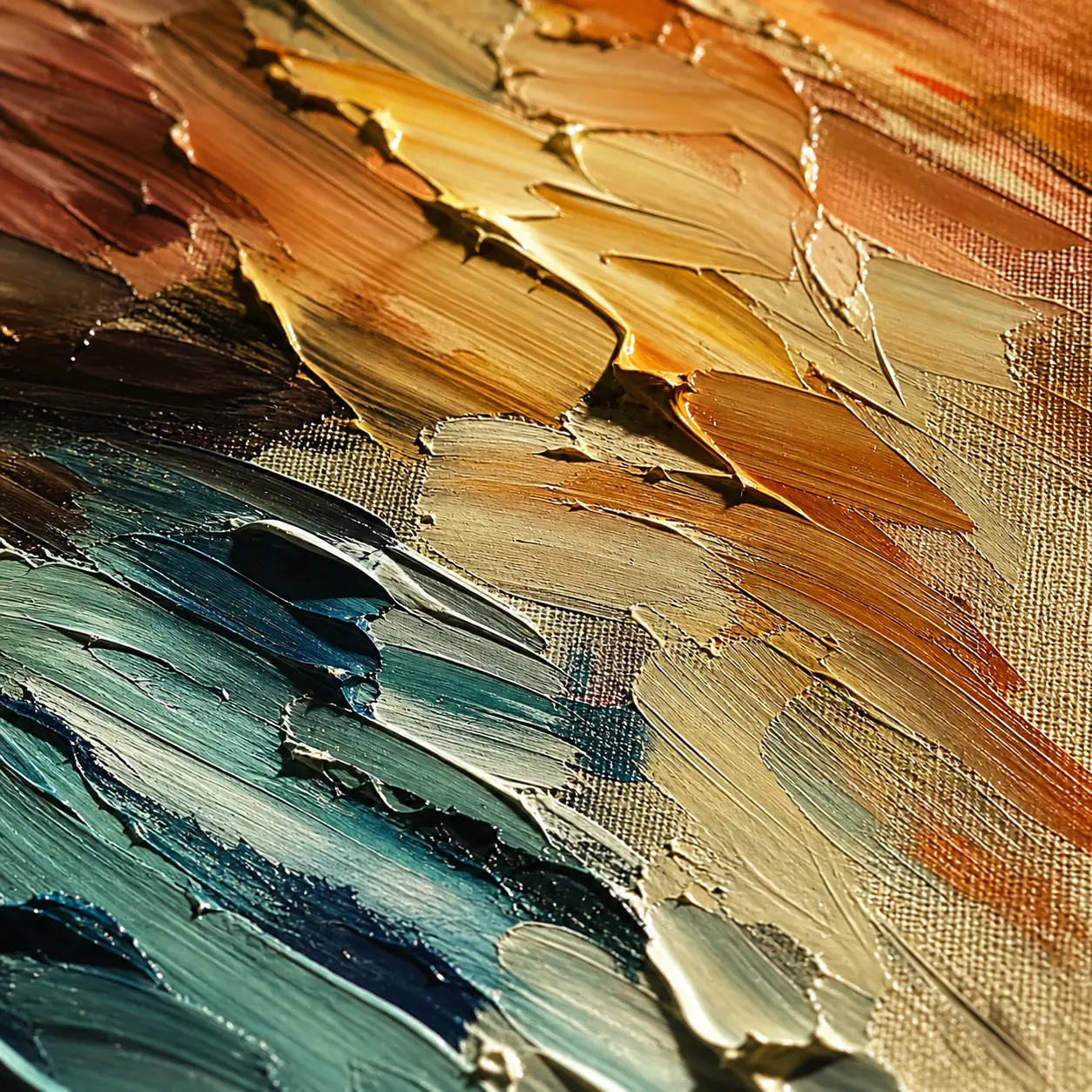
Reproduction Value: Famous Artwork As Print Or Painted Object
Many buyers first discover DafenArts while looking for a famous painting reproduction. The decision often begins with a familiar image: a Van Gogh landscape, a Monet garden, a Klimt figure, a Vermeer interior, or a Rembrandt portrait. A print can reproduce the image quickly. A hand-painted reproduction attempts to recover the material logic of the original medium.
That does not mean every buyer needs a hand-painted version. If the goal is a low-cost decorative reference, a print may be reasonable. If the goal is to own a physical oil painting inspired by a masterwork, with visible paint and a more serious wall presence, a hand-painted reproduction is the stronger choice.
DafenArts organizes many of these works through the Master Artists collection, where buyers can browse hand-painted oil painting reproductions by artist. Buyers who want a specific artwork, size, or room fit can also use the custom oil painting service to commission a painted version from a reference.
When A Giclee Makes Sense
A giclee can be the right choice when the project values speed, consistency, and cost control more than surface. It is also useful when a room needs a graphic image rather than a crafted object. Some commercial projects use prints in corridors, temporary spaces, rental properties, or budget-limited installations.
The key is to be honest about what is being purchased. A giclee is a print, even when printed on canvas. It should not be described as a hand-painted oil painting, and it should not be expected to deliver the same close-view texture or material depth.
Print providers often explain giclee from the print side: archival materials, controlled color, and repeatable production. After that, the buyer’s next question is practical: when does a flat image stop being enough, and when is a painted canvas worth the slower custom or reproduction path?
Canvas Print vs Oil Painting: What The Search Usually Means
When buyers compare a canvas print vs oil painting, they are often trying to solve two different problems at once. One problem is visual: will the image look right from normal viewing distance? A good print can answer that need. The other problem is material: will the piece still feel substantial when someone stands close, sees the side of the canvas, or watches room light move across the surface? That is where an oil painting becomes more relevant.
The phrase “canvas print” can sound close to “canvas painting,” but the buying evidence is different. For a print, ask about print process, substrate, size, and framing. For a hand-painted oil painting, ask for surface proof, edge views, progress or confirmation photos, and a clear path for custom sizing before shipping. The better choice is the one whose proof matches the way the artwork will be used.
When To Choose A Hand-Painted Oil Painting
Choose a hand-painted oil painting when the artwork is meant to be inspected, lived with, and treated as a physical centerpiece. This is especially true for living rooms, dining rooms, villas, galleries, boutique hotels, executive offices, and spaces where lighting reveals surface detail.
A hand-painted work also makes sense when the buyer wants custom control. Size can be adjusted to the wall. Color can be tuned to the room. A portrait, pet, landscape, or old master style can be painted from a reference. Instead of selecting only what already exists as a print file, the buyer can commission a painting that fits the actual space.
Use a simple rule: choose a giclee when the image itself is enough; choose a hand-painted oil painting when the surface, scale, and object presence are part of the reason for buying. The more visible the wall, the stronger the case for a painted canvas.
For complex requests, the safest path is to discuss the subject, size, reference image, and display location before painting begins. DafenArts uses a studio-led process so buyers can move from image idea to finished canvas with clearer expectations. The DafenArts studio background explains the brand’s connection to Dafen Village and hand-painted oil painting production.
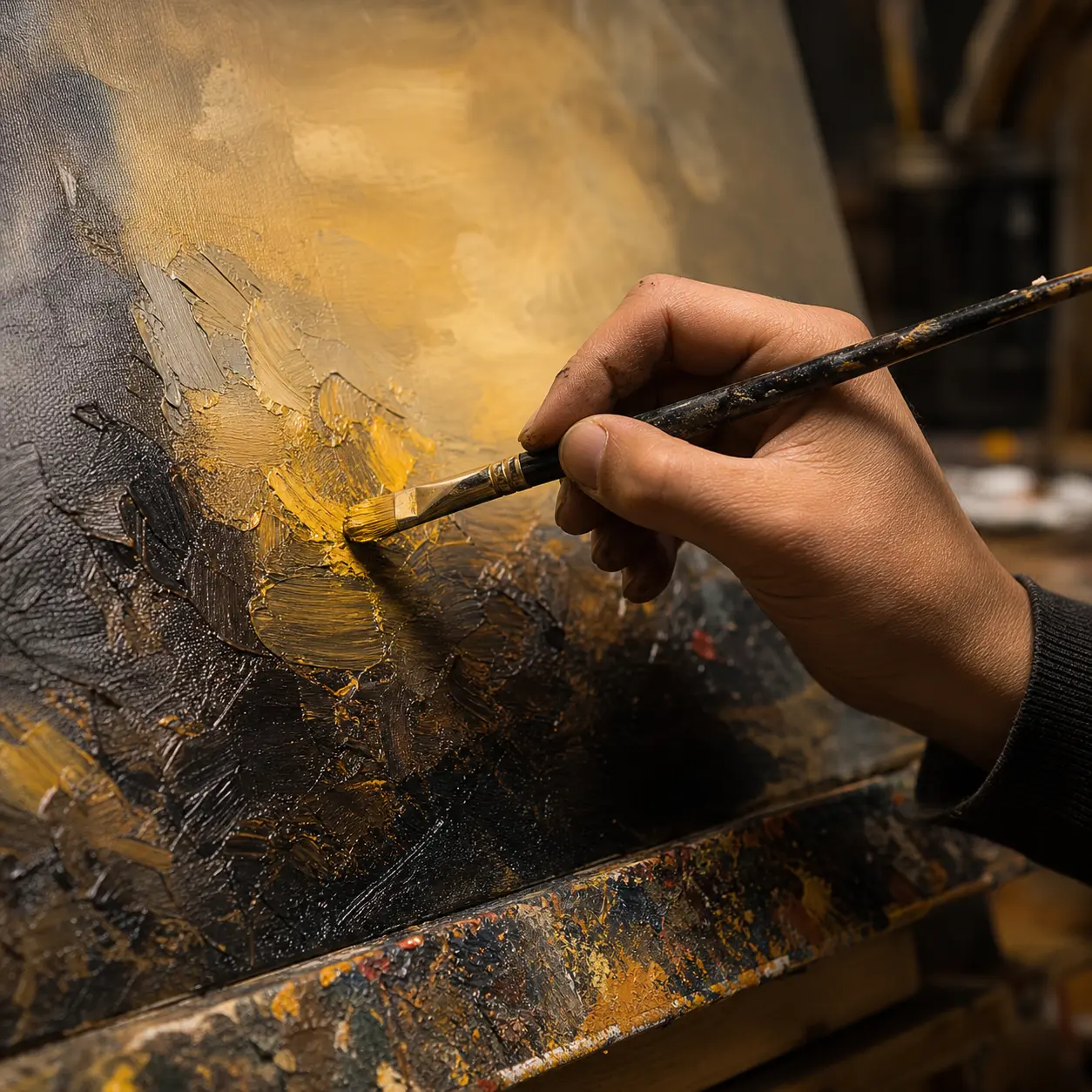
DafenArts Studio Proof: What Buyers Should Ask For
Before choosing between a giclee and a hand-painted oil painting, ask for proof that matches the claim. For a print, that proof may include paper or canvas type, ink process, edition details, and framing options. For a painting, the proof should be physical: brushwork, canvas surface, painting progress, photo confirmation, drying or finishing notes, and packing method.
Good buying decisions come from clear evidence, not vague words. Look for close-up texture images, realistic room scale, visible product pages, and a direct path to ask about custom sizing. For shipped artworks, also check the shipping policy and packing expectations before placing a high-value order.
For a step-by-step surface check, use the DafenArts guide to how to tell if an oil painting is hand painted before comparing price, frame, or room placement options.
The Three Proofs To Request Before Buying
If a seller describes a work as a hand-painted oil painting, the claim should be easy to examine. Before buying a reproduction or custom painting, ask for three forms of proof.
- Surface proof: close images that show brush direction, paint buildup, canvas texture, and irregular hand-applied marks.
- Scale proof: a clear size recommendation or room-scale reference so the artwork fits the wall rather than only the product thumbnail.
- Process proof: a studio path that explains reference review, painting, photo confirmation, finishing, packing, and shipping preparation.
This is where a hand-painted oil painting should separate itself from a printed image. The buyer is not only choosing a picture. The buyer is choosing a material process that should be visible, explainable, and suitable for the final space.
Final Recommendation
If you need a decorative image at a controlled price, a giclee can be practical. If you want visible texture, studio craft, and a painting that has presence as an object, choose a hand-painted oil painting. For famous artwork reproductions, custom portraits, and large wall pieces, the hand-painted route gives the buyer more control over scale, surface, and final character.
Start with the DafenArts Master Artists collection if you want a hand-painted reproduction, or use the custom oil painting request path if you need a specific reference, size, or room direction.
Frequently asked questions.
Direct answers for buyers comparing hand-painted oil painting options, custom details, and the next step before ordering.
No. A giclee is a high-resolution print. A hand-painted oil painting is made with paint applied by hand. A giclee can reproduce an image, but it does not create the same raised brushwork, layered surface, or material presence as a hand-painted oil painting.
It is not the original historical artwork. It is a new hand-painted reproduction or interpretation made on canvas. The value is in the physical painting process, custom sizing, surface texture, and the way the artwork functions as a real painted object.
Look closely at the surface. A print usually has a flat or mechanically uniform image surface. A hand-painted oil painting shows irregular brush direction, paint buildup, edge variation, and surface changes that respond to light.
For a temporary or budget-led space, a giclee may work. For a living room, hotel lobby, villa, formal interior, or designer project where the artwork will be inspected and lit, a hand-painted oil painting usually has stronger wall presence.
A giclee print transfers image information onto paper or canvas. An oil painting is made with physical paint, so brush direction, paint body, edge variation, and light response can become part of the finished object.
Choose the hand-painted route when surface, custom size, close viewing, and long-term wall presence matter. Choose the print route when the image itself is enough and the project mainly needs speed, consistency, or lower cost.