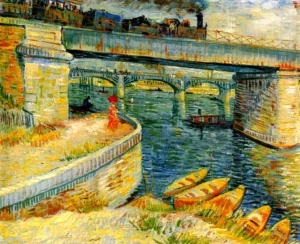
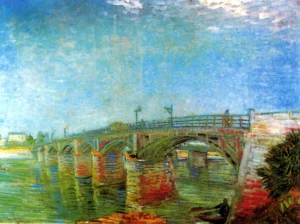
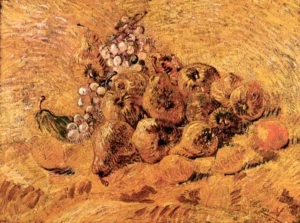
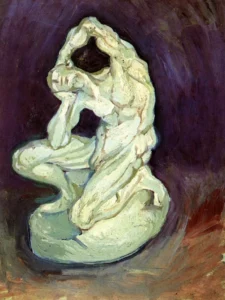
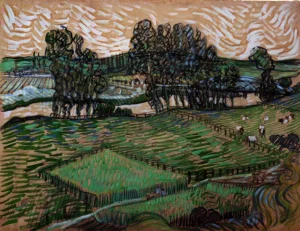
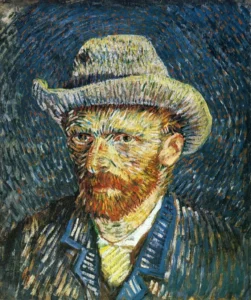
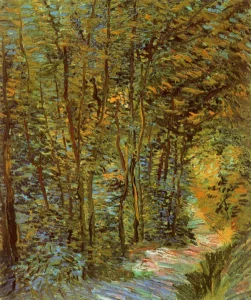
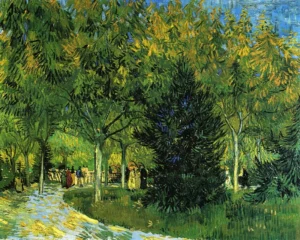
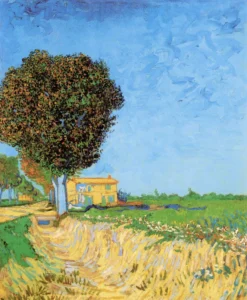
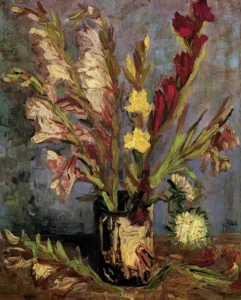
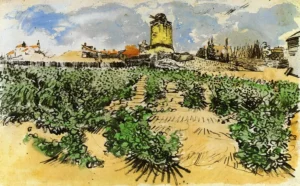
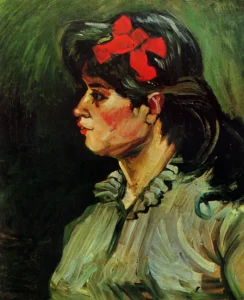
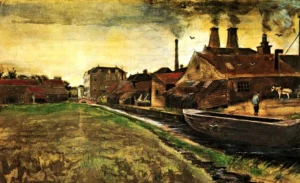
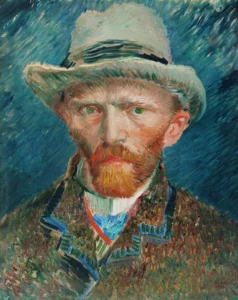
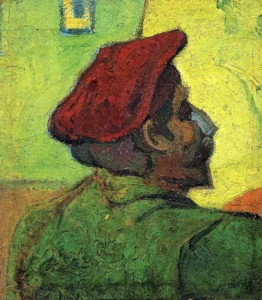
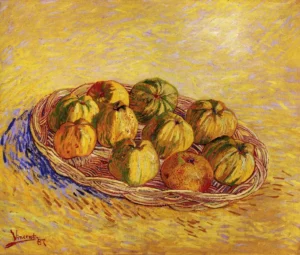
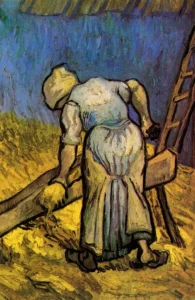
Vincent van Gogh was a Dutch artist associated with late-nineteenth-century Post-Impressionist painting. His work is widely discussed through expressive color, strong brushwork, and subjects that include landscapes, portraits, still lifes, fields, flowers, and night scenes. This collection brings those visual qualities into one place for people comparing Vincent van Gogh oil painting reproductions for a home, office, hospitality space, or gift.
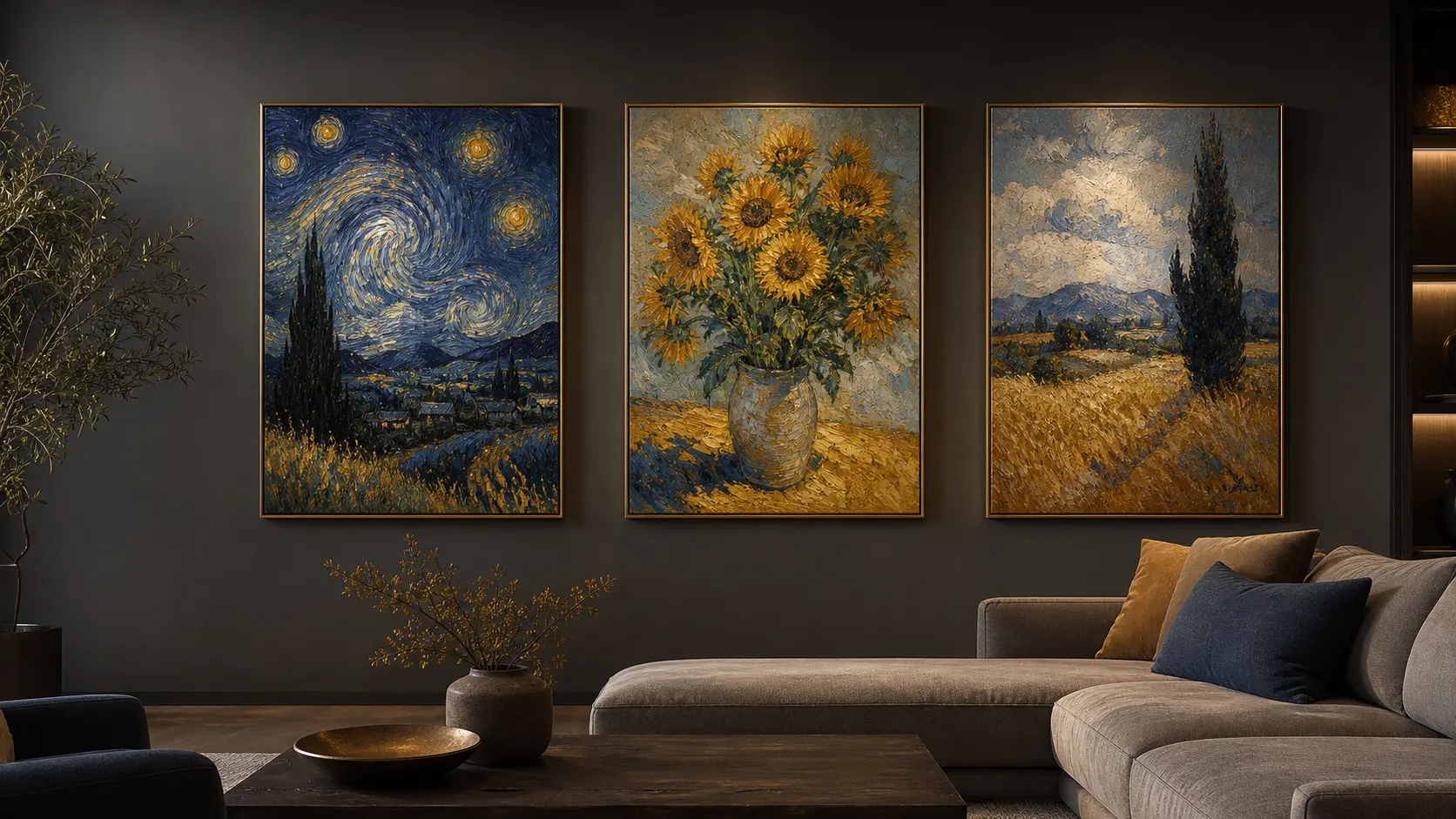
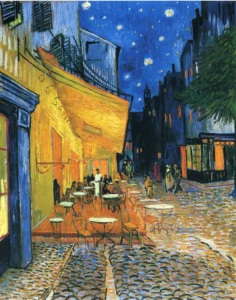
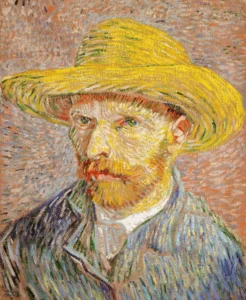
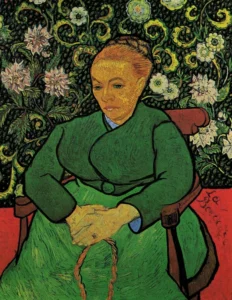
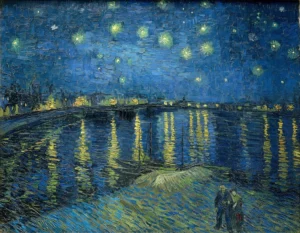
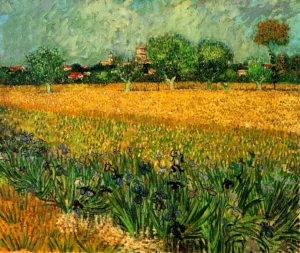
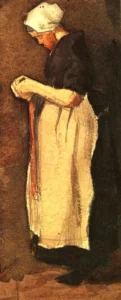
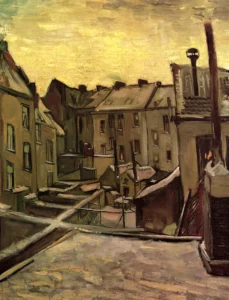
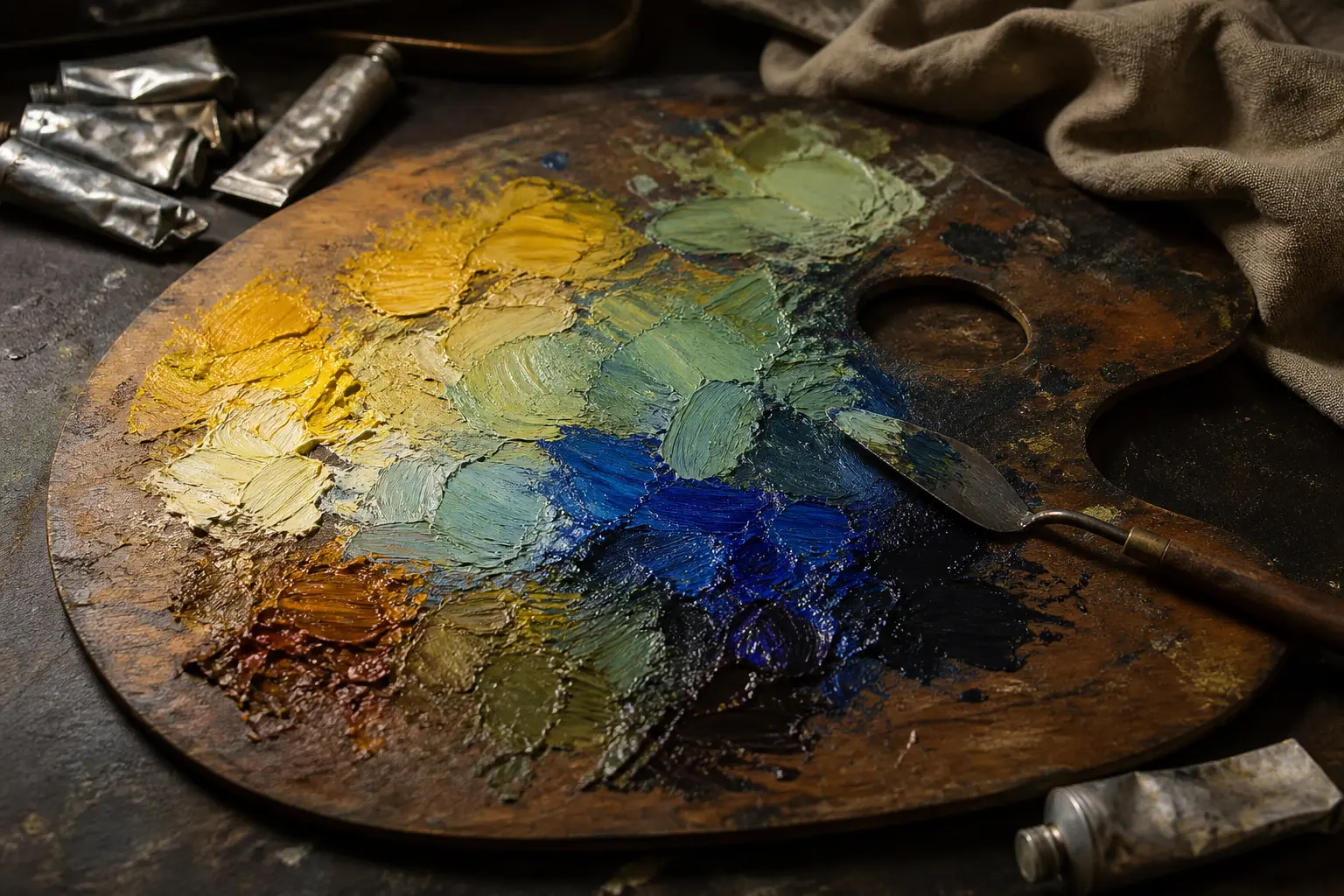
Start with the subject and palette. Blue-and-gold night scenes tend to read as dramatic focal points, while flowers and lighter landscapes can feel brighter and more open. Wheatfields, orchards, and earth-toned views often sit comfortably with wood, linen, leather, and other warm interior materials. Portraits and darker compositions can create a quieter, more intimate mood. These are practical room-planning cues, not fixed rules; the best choice is the one that works with your wall color, lighting, and the feeling you want the room to carry.
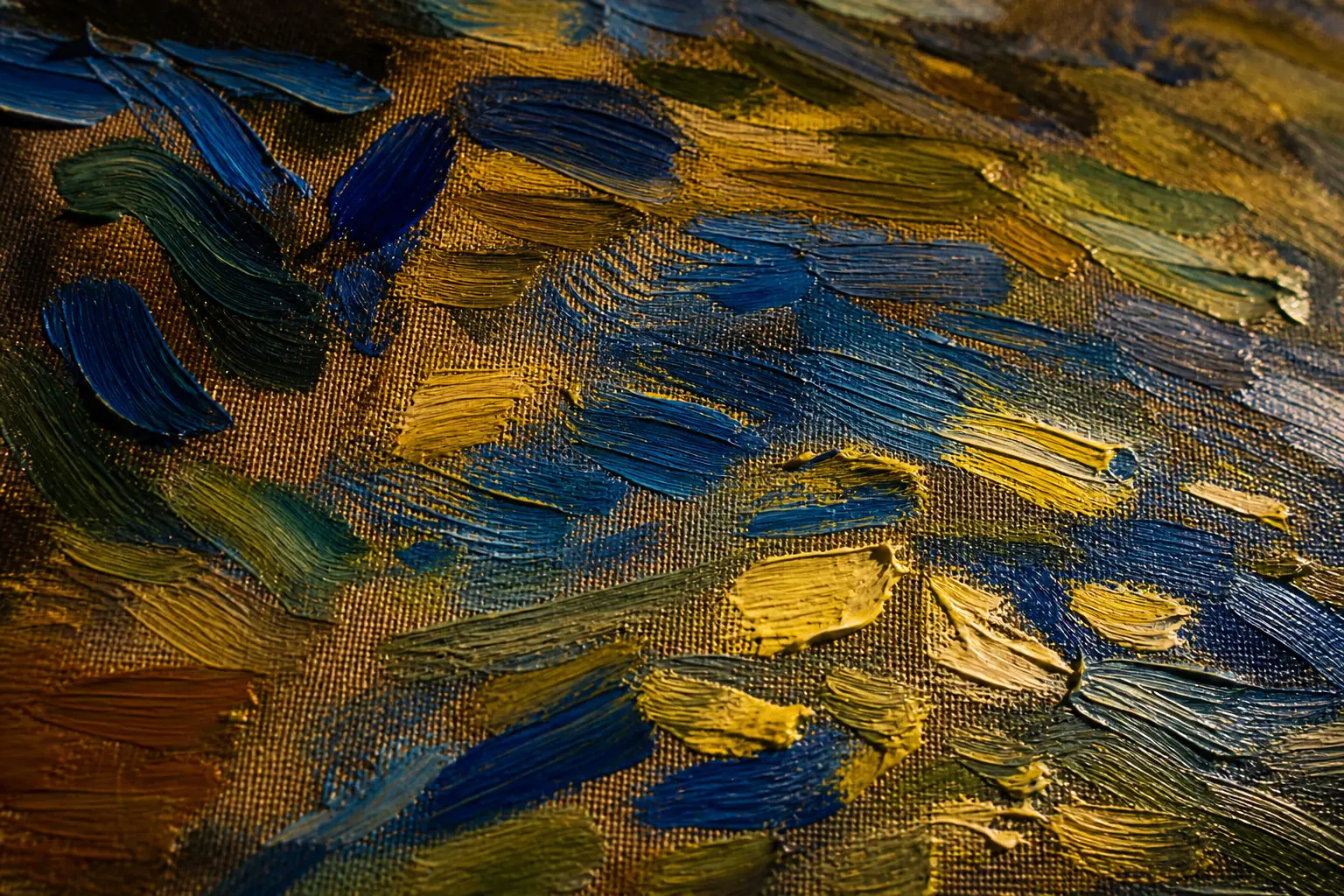
Next, compare the painted surface rather than judging only the thumbnail. A print reproduces an image on a flat surface. A hand-painted oil reproduction is built with applied paint, so directional marks, layered color, and small variations can remain visible. Texture is not identical across every artwork or reproduction. Use product close-ups to check where brushwork is most pronounced, how edges are handled, and whether the color transitions feel lively without losing the structure of the scene.
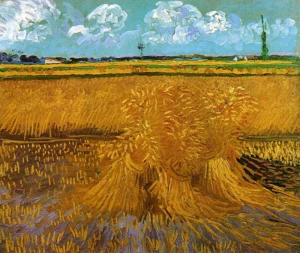
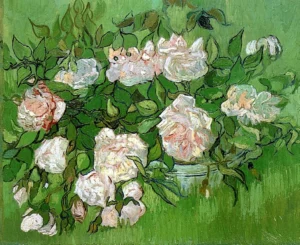
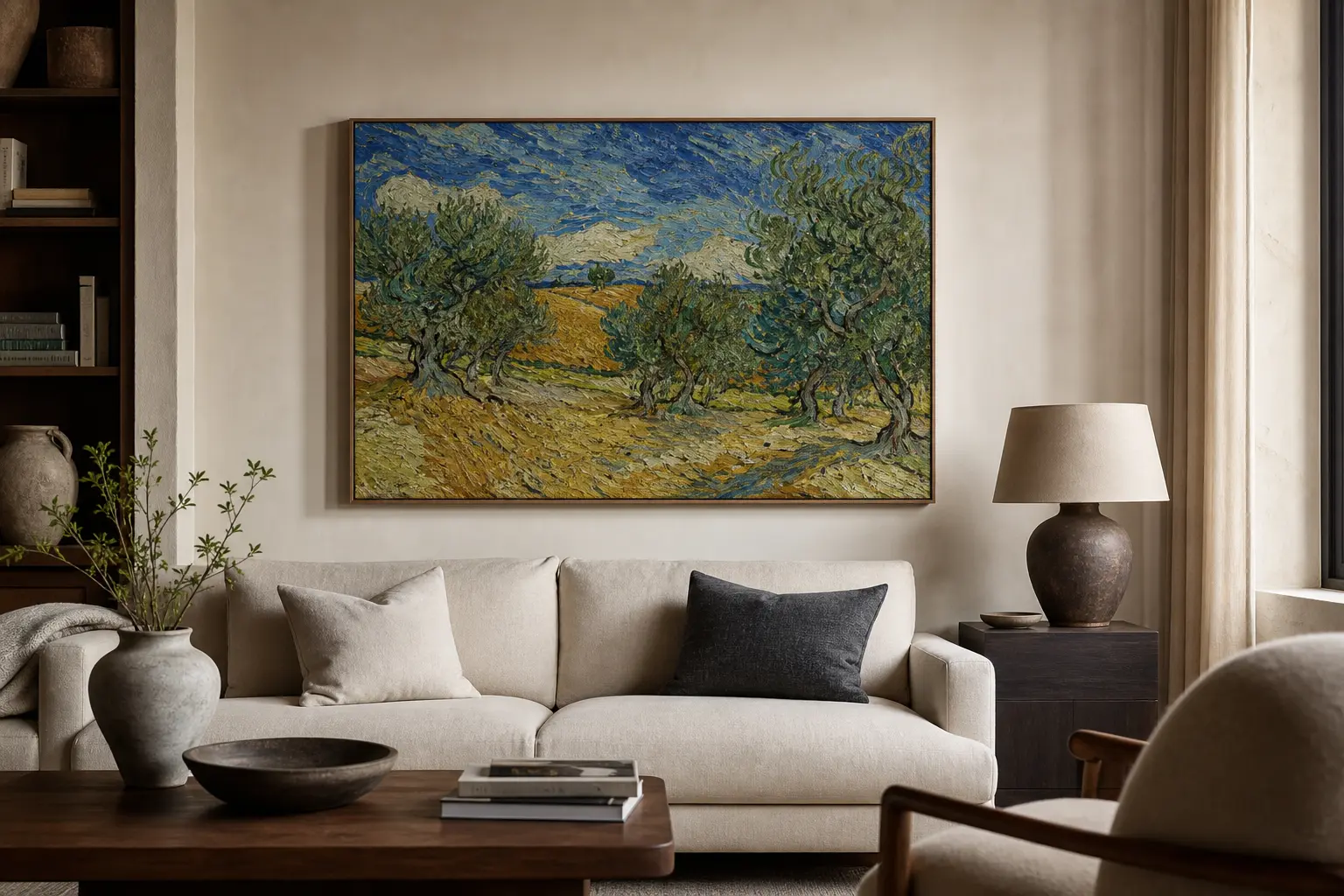
Scale and orientation matter as much as subject. A horizontal landscape can work above a sofa, console, or bed, while a vertical floral or portrait can suit a narrower wall, entry, or reading corner. For a large focal wall, compare the listed canvas dimensions with the width of the furniture below it and leave visual breathing room around the work. For a gallery wall, use one stronger blue, yellow, or ochre canvas as the anchor and let quieter pieces support it.
Well-known works such as Starry Night, Sunflowers, Irises, and the wheatfield paintings provide useful reference points for Van Gogh's changing subjects and palettes. They can help you decide whether you are drawn to night blues, radiant yellows, floral color, or open landscapes. A title mentioned on this page does not mean every version is currently available, so use the live product grid and each product page to confirm the exact artwork, dimensions, materials, framing information, and current options.
When comparing Van Gogh reproduction paintings on canvas, look for three things: readable brush direction, balanced color, and a surface that supports the composition. Strong texture alone is not a guarantee of a convincing result. The ridges should reinforce movement in the sky, plants, clothing, or ground rather than appearing random. Color should feel expressive while important shapes remain clear at normal viewing distance.
Collection and room images are editorial guides for palette, mood, and placement. They are not substitutes for the product photographs and specifications on an individual listing. Review the actual product page before choosing, especially when texture, exact color, size, or frame treatment is important to your decision.
The works offered here are reproductions, not original historic artworks by Vincent van Gogh. Browse the available hand-painted Van Gogh reproductions below, compare the details that matter for your space, and open a product page for the most accurate information about a specific painting.
Look for directional brushwork, layered color, and visible surface texture in product close-ups. Texture can vary by artwork and reproduction, so compare the actual product images rather than assuming every canvas uses the same level of impasto.
Blue-and-gold night scenes can suit focal walls and evening rooms; florals and lighter landscapes can work in brighter living spaces; earth-toned works can complement studies and quieter interiors. Choose by palette, orientation, wall size, lighting, and viewing distance.