Best Photo For A Custom Portrait Oil Painting: 5 Checks
The best photo for a custom portrait oil painting is a clear, well-lit image where the subject looks recognizably themselves. The eyes, expression, face shape, hair or fur, and true color should remain readable. Choose one primary photo for likeness, then add supporting images only when they clarify details the main image does not show.
This five-point checklist is for buyers preparing a portrait, pet painting, family commission, wedding portrait, memorial painting, or personal gift from a photo. It helps you check likeness, lighting, detail, color, and crop before you request a custom oil painting from DafenArts.
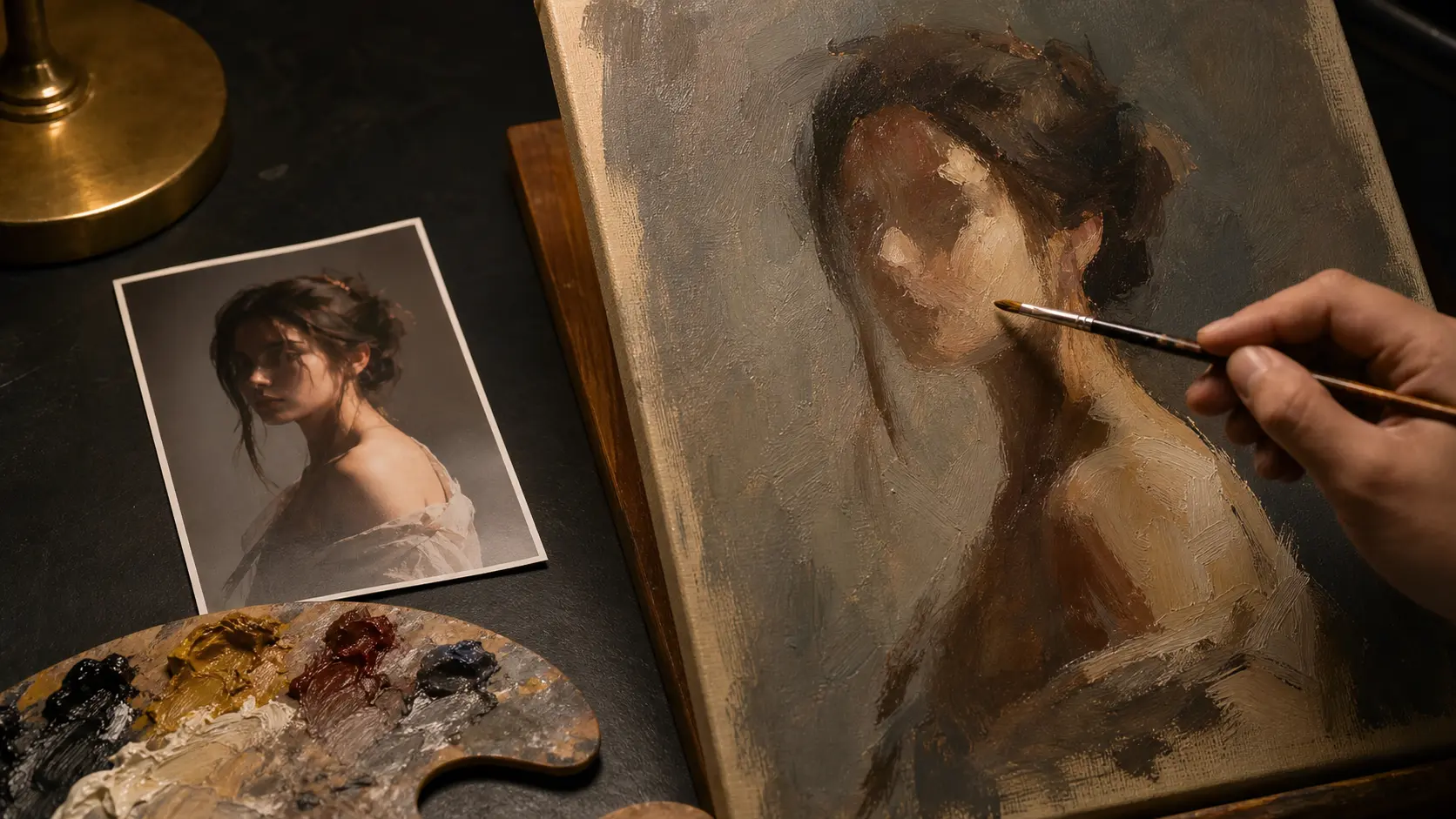
What Photo Works Best For A Custom Portrait Oil Painting?
If you can send only one image, choose the photo where the subject looks most recognizably themselves. The painter needs clear facial structure, a natural expression, visible eyes, and enough light to understand form. For a pet portrait, the same rule applies to eye shape, muzzle, ears, coat color, and the posture that carries personality.
Do not choose a photo only because the background is pretty. Backgrounds can often be simplified, adjusted, or replaced during a custom commission discussion. Likeness is harder to invent. A weak reference can limit the final painting even when the painter has strong technique.
A strong reference also needs a safe brief. Use photos you own, have permission to use, or can responsibly share for a custom painting request. If the image is private, photographer-owned, celebrity-related, or copied from another source, treat usage permission as a separate question before sending it as the main reference.
Why Photo Choice Matters More For Oil Painting Than For A Print
A print repeats the photo directly. A hand-painted oil portrait interprets the photo through drawing, layered oil color, brushwork, edge control, and surface texture. The painter is not only copying pixels. The painter must decide where a cheek turns into shadow, how warm the skin should be, where the eye catches light, and how much detail belongs in the hair, clothing, or background.
That is why reference quality matters. A dark or heavily filtered photo may still look attractive on a phone, but it can hide the structure a painter needs. A tiny cropped screenshot may not show the eyes clearly. A photo taken with mixed indoor lighting may shift skin tones or pet fur color. The stronger the reference, the more confidently the studio can build a physical oil painting rather than guessing.
5-Point Reference Photo Checklist
| Check | Strong Reference | Risky Reference |
|---|---|---|
| Likeness | The subject looks natural and recognizable. | The face is distorted by angle, lens, filter, or expression. |
| Lighting | Light direction is clear, with visible eyes and facial planes. | The face is backlit, dark, blown out, or covered by harsh shadows. |
| Detail | Eyes, mouth, hair, clothing, and key features are visible. | The image is blurry, pixelated, cropped, or compressed. |
| Color | Skin tone, fur color, or clothing color looks close to real life. | The photo has heavy filters, strong color cast, or artificial phone effects. |
| Composition | The crop leaves enough room around the head, shoulders, or full body. | Important features are cut off or too close to the edge. |
Before you contact the studio, prepare a simple portrait brief:
- one primary photo that best represents likeness
- one to three supporting photos when they add useful color, hair, clothing, or pet-marking detail
- the preferred crop: head, bust, half-body, full-body, couple, family, or pet
- whether the background should stay, simplify, or be discussed for replacement
- the detail that matters most, such as expression, eye color, hairstyle, clothing, or posture
- confirmation that you own the images, have permission to use them, or can responsibly provide them
Once those choices are clear, use the custom painting request to share the reference and ask the studio to review visual feasibility before painting begins.
Café Terrace at Night - Nocturnal - Textured
Cafe Terrace at Night (Master Studio)Est. Value Price range: $400.00 through $1,500.00
Portrait of Lina Campineanu (1878) - Hand-Painted Oil Reproduction
edouard manet (Master Studio)Est. Value Price range: $340.00 through $1,500.00
Portrait of a lady with a black fichu (1878) - Hand-Painted Oil Reproduction
edouard manet (Master Studio)Est. Value Price range: $402.00 through $658.00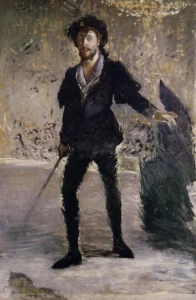
Portrait of Faure as Hamlet (1877) - Hand-Painted Oil Reproduction
edouard manet (Master Studio)Est. Value Price range: $371.00 through $2,648.00
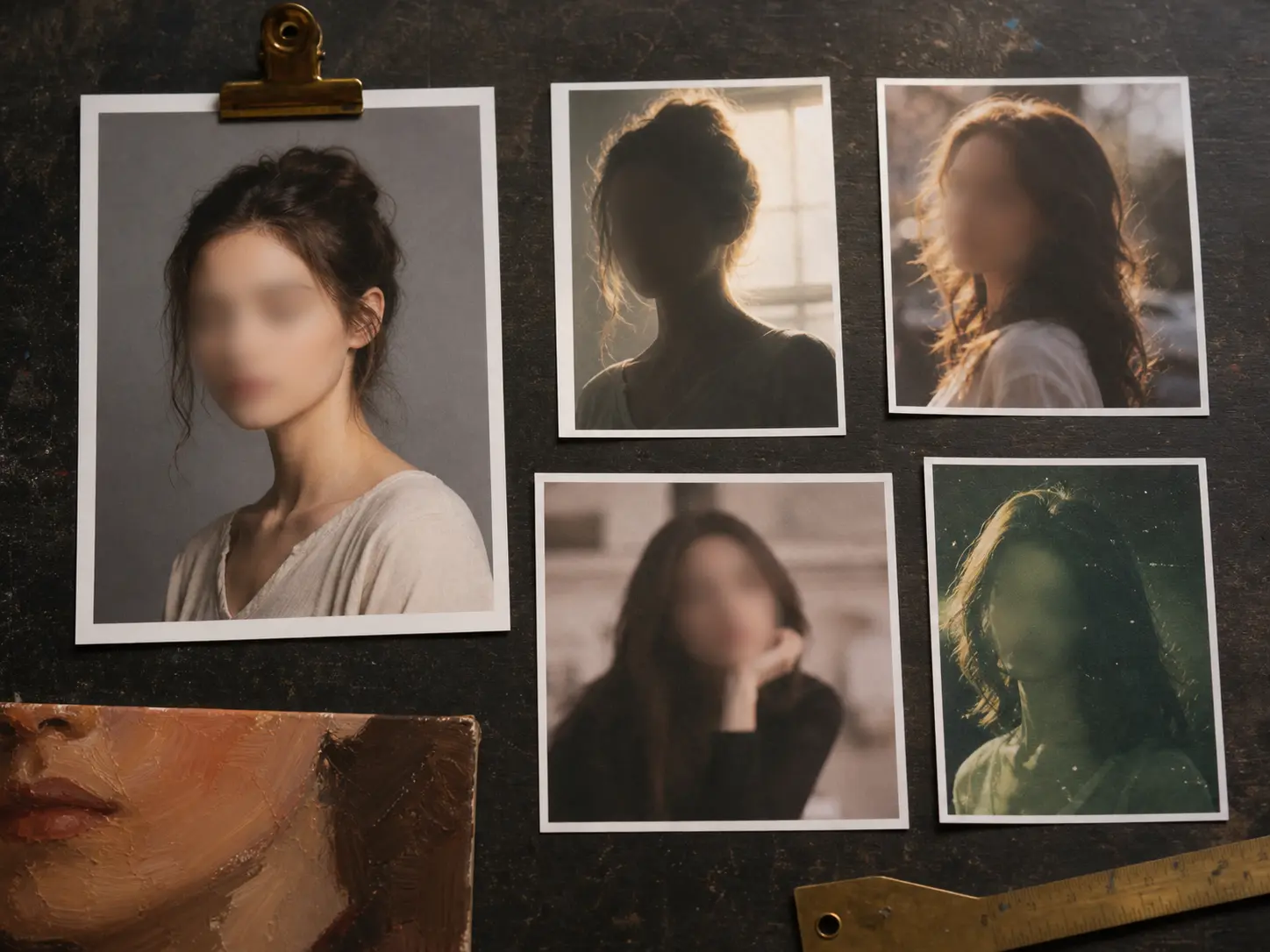
The Five Photo Qualities That Help A Painter
1. Clear Eyes And Expression
In most portraits, the eyes carry recognition. They show direction, mood, age, and the relationship between the subject and viewer. A painter can soften background detail, reduce visual noise, or adjust clothing, but unclear eyes make likeness much harder.
2. Natural Light Direction
A good portrait reference usually has one readable light direction. Soft window light, outdoor shade, or balanced daylight can help the painter understand form. Mixed lighting, flash glare, or strong colored lights can make the face or fur harder to interpret.
3. Enough Resolution For Facial Detail
The file does not need to be technically perfect, but it should show the subject clearly when viewed larger than a phone thumbnail. If the face becomes blocky, smeared, or unclear when opened on a computer, send additional references. The studio can then compare likeness and avoid depending on one weak image.
4. A Pose That Fits The Final Canvas
A close head-and-shoulders photo works well for formal portraits. A wider image may be better for a couple, family, pet, or full-body composition. Before painting begins, decide whether the finished work should feel intimate, formal, decorative, or story-led. Canvas size and crop should support that decision.
5. Real Color Information
Oil paint can make color richer, but the reference should still provide honest information. Heavy beauty filters, black-and-white effects, or strong social media presets can hide the real relationship between skin, hair, fur, fabric, and background. If you like the expression in a filtered photo, send an unfiltered image as a color reference too.
Photos That Usually Create Weak Portrait Results
Some images can still be useful as supporting references, but they should not carry the whole commission alone. Be careful with:
- very small screenshots or social media downloads
- faces hidden by sunglasses, hats, masks, or deep shadow
- strong face-smoothing filters or artificial blur
- wide-angle selfies that distort the nose, forehead, or body
- photos where the subject is far away and the face is tiny
- old photos with heavy damage unless no better reference exists
- pet photos where the eyes, muzzle, ears, or coat markings are unclear
If the only available image is old or damaged, say that clearly when contacting the studio. A careful painter can sometimes work from limited reference, but the result should be discussed honestly. The studio may ask for extra photos that show age, eye color, hairstyle, clothing, or pet markings.
How Many Reference Photos Should You Send?
Start with one primary likeness photo. Add a small number of supporting images only when each one has a clear job. One may show the best expression, another the correct eye color or hairstyle, and another the clothing, pet markings, posture, or background mood. Label which image should control likeness so the painter does not have to guess between conflicting references.
Combining people from different photos needs extra care. Light direction, camera angle, scale, and emotional tone should feel compatible. A family portrait assembled from unrelated images can look artificial if one person is lit from the left, another from the right, and a third from direct flash. Before commissioning, ask the studio to review whether the references can be unified into one believable painting.
Different Portrait Types Need Different Reference Priorities
Single Portrait
Choose the image with the strongest likeness and expression. Clothing and background can be discussed after the face is settled.
Family Or Couple Portrait
Look for consistent lighting and scale. If several photos must be combined, send a note explaining who should appear where and which image best represents each person’s likeness.
Pet Portrait
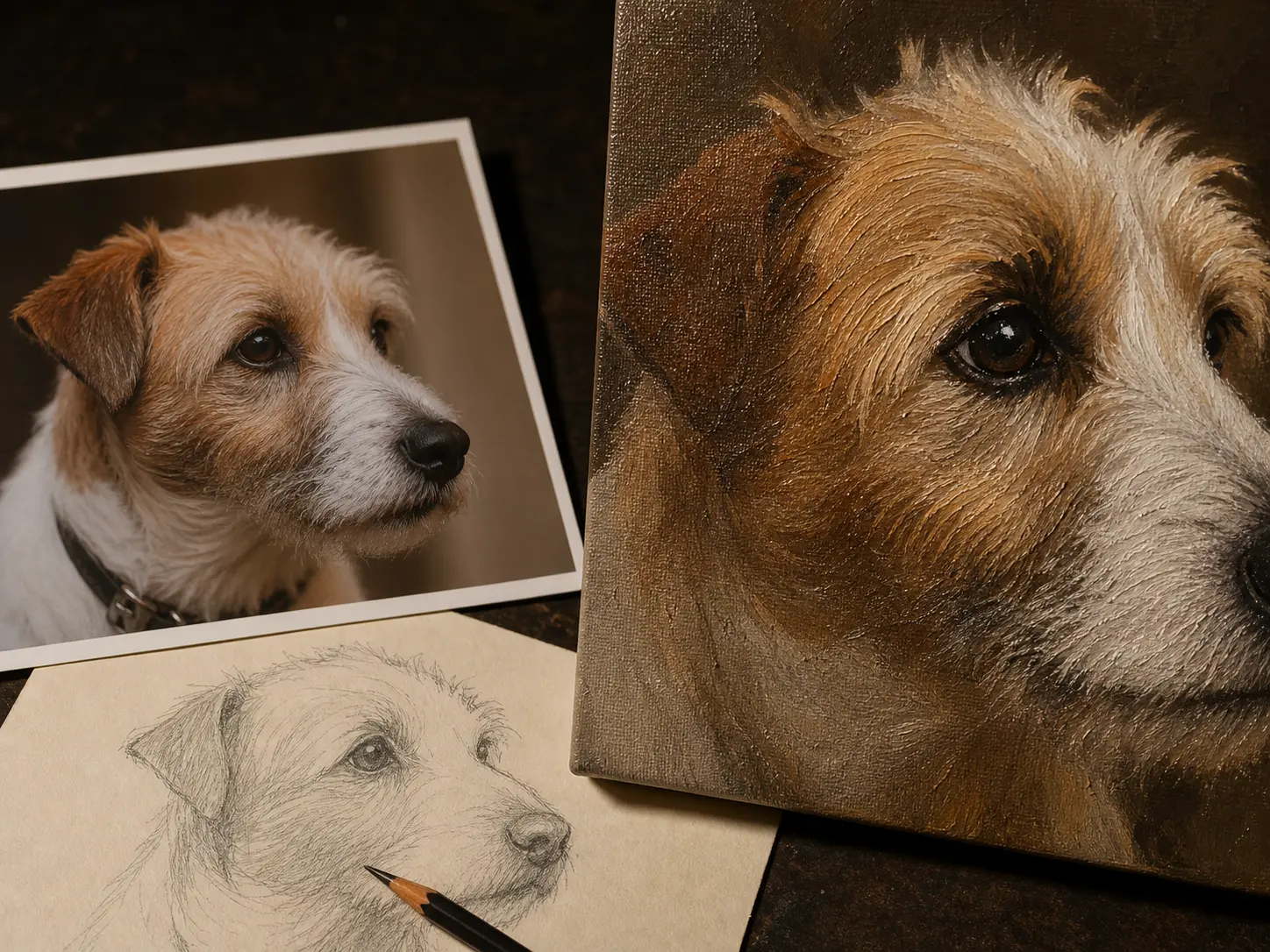
Prioritize eye shape, muzzle, ears, coat markings, and posture. For pets with dark fur or white fur, send more than one photo because phone cameras often lose detail in very dark or very bright areas.
Wedding Or Memorial Portrait
Protect emotional accuracy first. Tell the studio which expression, clothing, pose, or moment matters most. If the painting is memorial in nature, avoid forcing a cheerful expression from a reference that does not support it.
What To Tell The Studio Before Painting Begins
A custom oil portrait is easier to plan when the buyer explains both the image and the intended use. Before requesting a commission, prepare a short note like this:
I would like a hand-painted oil portrait from this photo. Please use Photo A as the main likeness reference. Photo B shows the correct eye color and hair detail. I prefer a calm, formal crop with a simple background. The finished painting will hang in a living room, so please advise on canvas size and whether the crop should include shoulders or more of the body.
This kind of note helps the studio make better decisions about crop, scale, color, and proof. It also reduces the risk that the painter spends time on a detail the buyer does not care about while missing the one detail that matters most.
After the photo is chosen, compare the next step with the custom portrait oil painting process guide. Pet portrait buyers can also use the pet oil painting from photo guide to check eyes, muzzle, fur markings, pose, and background before sending the inquiry.
When To Request A Custom Oil Painting From DafenArts
Use the DafenArts custom oil painting service when you want a painterly interpretation on canvas rather than a printed photo effect. Send the strongest likeness reference, explain the intended crop and background, and identify the feature that matters most before the studio reviews the request.
If you are still choosing a visual style, browse the Master Artists collection to compare how different painterly surfaces feel. A portrait can be realistic, softly atmospheric, more classical, or more expressive depending on the reference and your room. For brand context, visit About DafenArts. For shipment expectations after a painting is finished, review the shipping policy.
Frequently Asked Questions
Frequently asked questions.
Direct answers about reference-photo quality, old or edited images, group portraits, and the next step before requesting a custom portrait.
Choose a clear, well-lit image where the subject looks recognizably themselves. The eyes, expression, face shape, hair or fur, and true color should remain readable. Use one primary likeness photo and add supporting images only for details the main photo does not show.
Yes, sometimes, but an old photo should be treated carefully. If the face, eyes, or key features are unclear, send supporting photos that show likeness, color, clothing, age, or hairstyle. The studio should explain what can be interpreted and what cannot be guaranteed from a weak reference.
Often yes, if the references can be made visually compatible. The studio needs to check camera angle, light direction, scale, and expression so the final group portrait feels like one painting rather than separate images pasted together.
The most useful rule is clarity, not a fixed number. The face or pet should remain clear when viewed larger than a phone thumbnail. If the image becomes blurry or blocky, send additional references before painting begins.
A filtered photo can show mood, but it should not be the only reference. Send an unfiltered version or extra photos that show real skin tone, hair, fur, clothing, and eye color so the painter has reliable information.