If you want to know whether a hand painted oil painting on canvas is worth ordering, start with the surface and support, not the product title. A real painted object should show paint behavior, canvas presence, side-edge logic, and enough material variation to separate it from a flat printed substitute.
Short answer: a hand-painted oil painting on canvas should show a believable relationship between oil paint and canvas. Look for directional brushwork, varied paint body, canvas texture, edge handling, and close-up proof. None of these signs proves everything alone, but together they help buyers judge whether the work behaves like a painted canvas object.
For DafenArts buyers, this material check supports three decisions: whether to browse available hand-painted reproductions, whether to request a custom size or reference, and whether a seller’s photos show enough proof before purchase.
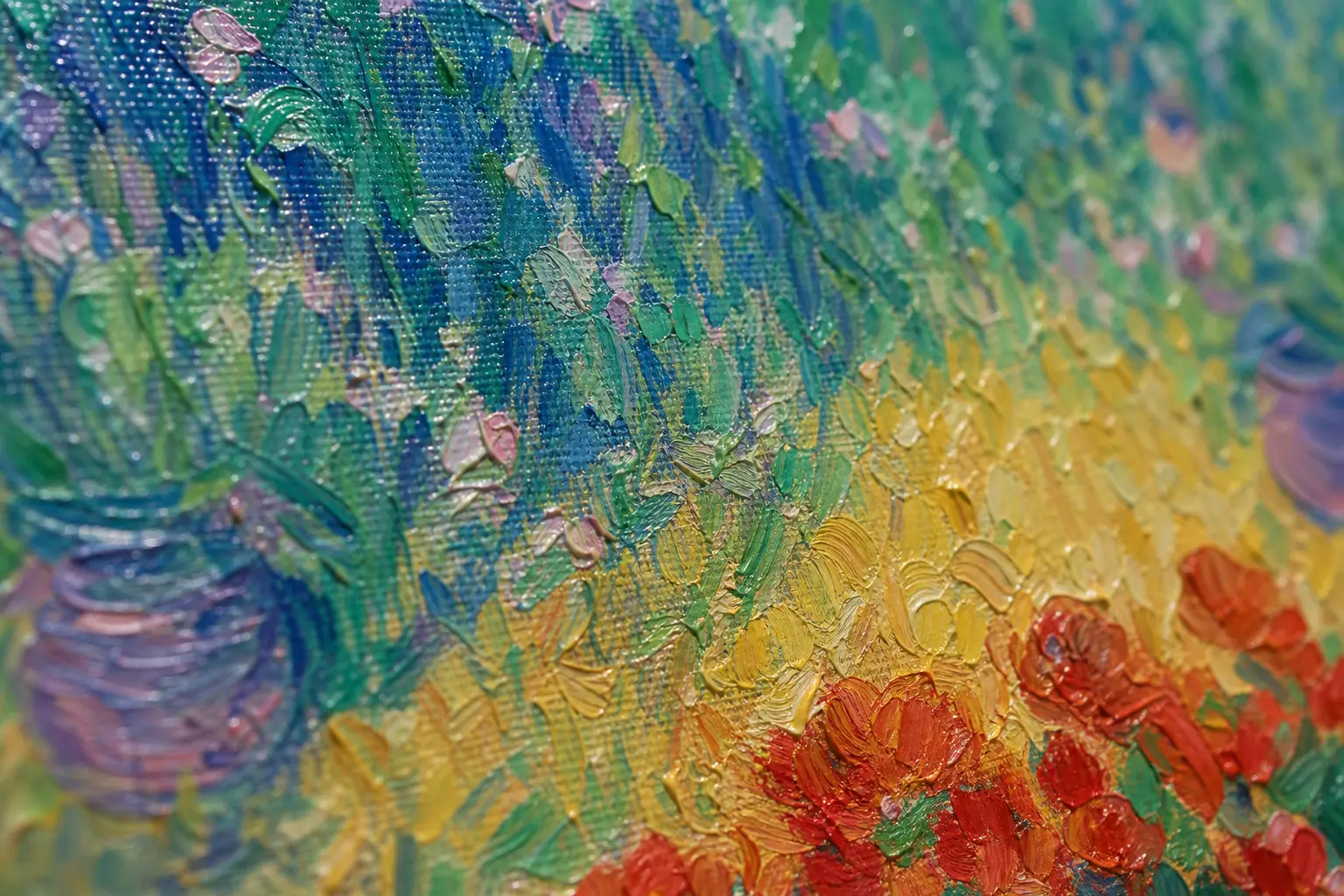
Start With The Painted Surface
A hand-painted surface usually shows variation. Brush direction shifts. Paint thickness is not perfectly uniform. Some passages may feel denser while others stay thinner and calmer. That does not mean every painting needs dramatic impasto. It means the surface should behave like applied paint, not like one identical printed skin laid across the whole image.
The strongest surface proof connects the mark to the subject. A face, sky, robe, flower, or landscape should not all carry the same texture. Directional strokes, soft transitions, dry-brush edges, and raised highlights are more useful than generic “textured canvas” language.
Then Inspect The Canvas And Edge
The canvas matters because it turns the image into an object. Buyers should ask whether the edge is handled cleanly, whether the image wraps with intention, and whether the front surface and side transition make sense together. These clues are often more useful than marketing adjectives.
A side-edge photo is not absolute proof. Some real paintings have neat edges, and some printed canvases use gallery wraps. Use the edge view as one signal in a wider check: surface variation, canvas support, side finish, and seller process should tell the same story.
| Inspection point | What to look for | Why it matters |
|---|---|---|
| Surface variation | Directional shifts, uneven build, layered passages, and subject-specific brushwork | Helps distinguish paint from flat print texture or uniform coating |
| Canvas support | Visible weave or canvas tooth interacting naturally with oil paint | Shows how the work sits on the support rather than only on a screen image |
| Side edge | Clean continuation, intentional finish, or clear stretched-canvas handling | Reveals object quality, not just front-image quality |
| Close-up proof | Focused details from highlights, shadows, transitions, and corners | Supports buyer trust before ordering online |
| Process proof | Reference review, progress or confirmation photos, and shipping preparation | Connects material evidence to a real studio workflow |
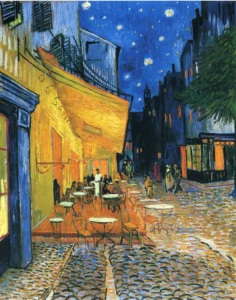
Café Terrace at Night - Nocturnal - Textured
Cafe Terrace at Night (Master Studio)Est. Value Price range: $400.00 through $1,500.00
Portrait of Lina Campineanu (1878) - Hand-Painted Oil Reproduction
edouard manet (Master Studio)Est. Value Price range: $340.00 through $1,500.00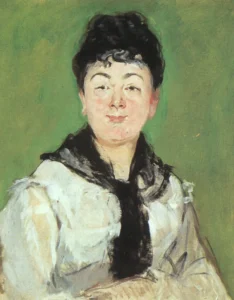
Portrait of a lady with a black fichu (1878) - Hand-Painted Oil Reproduction
edouard manet (Master Studio)Est. Value Price range: $402.00 through $658.00
Portrait of Faure as Hamlet (1877) - Hand-Painted Oil Reproduction
edouard manet (Master Studio)Est. Value Price range: $371.00 through $2,648.00
What Canvas Material Claims Can And Cannot Say
It is safe to discuss visible canvas texture, paint buildup, brushwork, edge handling, and buyer proof. It is not safe to invent exact canvas fiber, primer, archival grade, conservation standard, or museum-level material equivalence unless those details are documented for the specific product.
For most published DafenArts guide pages, the better claim is practical: “inspect the painted surface and canvas support before ordering.” This avoids pretending that every product has a verified material specification while still giving buyers useful checks.
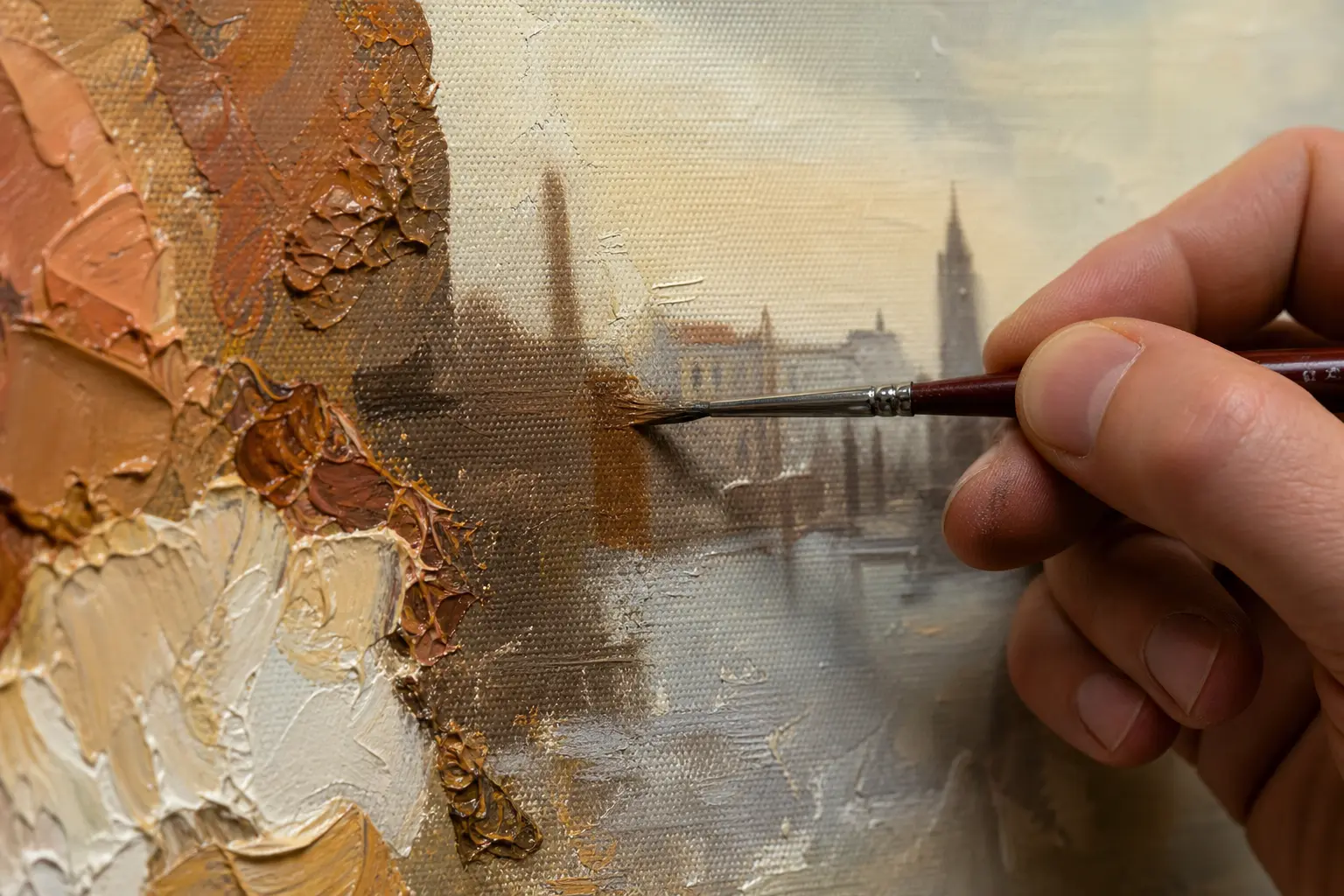
Compare The Surface Before You Choose The Next Step
If the surface still feels unclear, compare this material guide with the hand-painted inspection guide and the giclee comparison article. The inspection guide helps buyers check brushwork without damaging the painting. The giclee comparison explains why a painted canvas behaves differently from a printed image.
When you are ready to browse, start with the Master Artists collection so the material checks stay connected to hand-painted reproduction choices. For a specific size, reference image, portrait, pet, landscape, or room direction, use the custom oil painting service. For studio context, see About DafenArts.
Hand painted canvas material FAQ.
Direct answers for buyers checking paint surface, canvas support, edge handling, and order proof before choosing a hand-painted oil painting.
Ask for close-up images from more than one part of the painting. Useful proof shows brush direction, paint body, transitions, corners, and areas where the paint meets the canvas support.
No single sign proves everything. Canvas texture is useful only when it agrees with varied brushwork, paint buildup, edge handling, and seller process. Treat it as one signal, not a certificate.
The side edge helps buyers judge the painting as a physical object. It can show whether the canvas is stretched cleanly, whether the finish is intentional, and whether the front image and edge handling make sense together.
Confirm the reference image, size, crop, viewing distance, edge finish, shipping format, and whether progress or confirmation photos will be part of the order discussion.

Choose The Painting From Material Evidence
A better online buying decision starts with inspection. When buyers understand surface variation, canvas logic, edge handling, and process proof, they can judge the credibility of a hand-painted oil painting on canvas far more clearly than by title or mood image alone.