


Experienced Studio Artists
Our studio artists focus on traditional oil painting techniques. Each reproduction is built stroke by stroke with attention to composition, color matching, and surface texture.
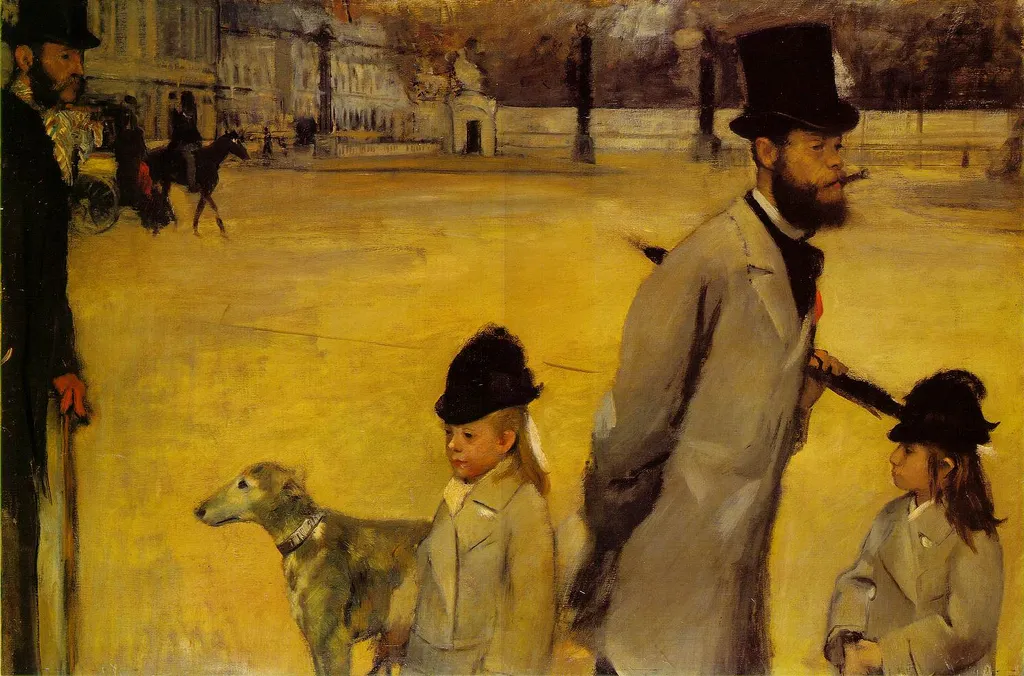
This Place de la Concorde reproduction is made for buyers who want the presence of a real oil painting rather than the flat surface of a poster or printed canvas. The composition is recreated by hand on canvas, allowing visible brushwork, layered color, and small painterly variations to become part of the finished piece. It is a reproduction inspired by Edgar Degas's historical artwork, not the original painting and not a work painted by Degas himself.
The scene combines a Parisian setting, walking figures, a dog, a muted palette, and a wide horizontal composition. Those elements give the painting a restrained, observant character that can work in both traditional and contemporary interiors. It has enough visual detail to reward close viewing, while the broad open areas keep the composition from feeling crowded on a large wall.
Place de la Concorde offers a different mood from a bright landscape or a formal portrait. Its appeal comes from movement, spacing, and the feeling of a passing moment in the city. The figures do not form a conventional centered group. Instead, the composition feels cropped and immediate, creating an urban snapshot that can add structure and quiet tension to a room.
For a living room, study, office, hallway, or reading area, the muted color range is easier to coordinate than highly saturated wall art. Neutral upholstery, dark wood, black metal, stone, soft gray, warm white, and natural textiles can all support the painting without competing with it. The long horizontal format is especially useful above a sofa, console, desk, or low cabinet where a wider visual anchor is needed.
A printed reproduction transfers an image onto paper or canvas with a mechanically even surface. A hand-painted oil reproduction is built with pigment and brushwork. The surface can show changes in stroke direction, paint thickness, edges, and color transitions. Light responds to those physical variations as the viewer moves through the room, giving the painting a more dimensional presence than a uniform print.
Hand painting also means the result is an interpretation. Small differences are normal and are part of the process. The goal is to preserve the recognizable composition, mood, and visual balance of Place de la Concorde while producing a physical oil painting suitable for display. Buyers who value texture and a painterly surface will notice this distinction most clearly when viewing the work from the side or in changing daylight.
The source artwork is recorded by the State Hermitage Museum as an 1875 oil-on-canvas painting by Edgar Degas. The museum collection record lists the original artwork at 78.4 x 117.5 cm. This measurement describes the historical source artwork only; it is not the size of the DafenArts product, frame, or available variation.
Degas is closely associated with modern-life subjects, strong drawing, portraits, dancers, and observational compositions. For this exact work, the safest focus is its Parisian urban setting, horizontally cropped figure arrangement, muted palette, and broad negative space. The product should therefore be understood as a hand-painted reproduction inspired by that source artwork, without implying museum authorization, official status, or exact archival equivalence.
The composition does not behave like a formal group portrait. Figures occupy separated parts of the canvas, while open pavement and background space play an unusually large role. This spacing creates a sense that the viewer has encountered the scene in motion rather than watched people pose for a picture. The cropped arrangement also gives the work a modern visual rhythm that remains effective at larger display sizes.
That balance between figures and open space is important when choosing a reproduction. Over-sharpening every edge or filling every area with heavy detail would change the mood. A successful hand-painted version should keep the main figures readable while preserving the quieter surrounding areas. This allows the painting to feel composed and spacious instead of busy.
The painting's decor value comes partly from its controlled palette. Gray, beige, black, and other subdued tones create a sophisticated urban atmosphere. Rather than relying on bright color for impact, the work uses contrast, silhouettes, and placement. This makes it suitable for interiors that need visual interest without a highly decorative or colorful focal point.
In brighter rooms, the darker figures can provide definition against pale walls and natural light. In a study or office, the restrained palette can sit comfortably near books, wood furniture, leather, or metal details. In a modern living room, the horizontal shape can add narrative interest above simple furniture while still supporting a minimal color scheme.
Living room: Use the painting above a sofa or long console where the horizontal format can relate to the furniture below it. Leave enough surrounding wall space so the composition can breathe.
Study or office: The Parisian subject and observational mood suit spaces used for reading, writing, meetings, or focused work. It can create cultural interest without the intensity of a dramatic history painting.
Hallway or entry: A wider canvas can establish direction along a long wall. The walking figures and city setting reinforce the sense of movement through the space.
Hospitality or professional interiors: The neutral palette can work in a lobby, lounge, private dining area, or meeting room when the chosen size is planned around viewing distance and nearby furniture.
The historical original is approximately 78.4 x 117.5 cm, giving it a horizontal proportion of roughly 1 to 1.5. That original size can help explain the intended shape, but it should not be confused with the size you order. Select from the available product options according to the wall, furniture width, viewing distance, and whether the painting will be framed.
As a practical planning rule, measure the usable wall area rather than the whole wall. Above furniture, a painting often looks more balanced when it is clearly narrower than the furniture below it and has consistent open space on both sides. For a custom-size inquiry, keep the source composition's horizontal character in mind. Large changes to the aspect ratio may require cropping or added space, so confirm the preferred crop before production.
The current product information states an approximate 10-15 day hand-painting period. After the painting is completed, final photos are shared for approval before shipping. This review step gives you an opportunity to check the overall composition, color balance, and visible finish before dispatch.
Because the work is painted by hand, the finished canvas will not be a pixel-for-pixel duplicate of a digital reference. Minor variations in strokes and transitions are expected. When reviewing the approval photos, focus on whether the recognizable arrangement, figure placement, open space, muted palette, and overall mood have been maintained. Shipping time depends on destination and the selected service; consult the current shipping information for delivery planning.
This product is a hand-painted oil reproduction inspired by Place de la Concorde. It is not the historical original, is not painted by Edgar Degas, and is not described as an official, licensed, museum-certified, or museum-endorsed reproduction. References to the State Hermitage Museum, the 1875 date, oil-on-canvas medium, and 78.4 x 117.5 cm dimensions identify the source artwork and provide historical context only.
This distinction helps buyers compare the product accurately. The value of the DafenArts version is its physical hand-painted surface, customizable display planning, recognizable composition, and room presence. It should not be presented as an investment object, an exact archival duplicate, or a substitute for the original museum work.
This reproduction is a strong choice for buyers who enjoy Edgar Degas, Parisian city scenes, observational figure painting, muted interiors, and wide-format wall art. It can also suit customers deciding between a canvas print and a hand-painted oil painting, because the visible surface and photo-approval process make the production method easier to understand.
Choose it when you want a recognizable masterwork composition with understated colors and a modern sense of cropping. For the best result, select the canvas size around the actual wall, keep the horizontal proportion in mind, and review the final photos for composition and tone before shipping.
Bring a quiet Parisian city scene to your wall with visible, hand-painted oil texture.
This is a hand-painted oil reproduction of Place de la Concorde, inspired by Edgar Degas, created on canvas as a physical painting rather than a flat print.
Painted in approximately 10-15 days with final photo approval before shipping; available sizing can be selected to suit your room and display plan.
Scale reference: the figure is 180cm tall with an estimated 46cm shoulder width.
Selected size: 34in x 23in (87cm x 57.5cm)
SKU: MAS-ED-P13604-COM-S-87X57.5CM
Preview the selected painting inside different interiors. Drag the artwork, adjust the scale, or upload your own room photo before commissioning.
We do not sell flat prints. Every canvas is painted by hand with visible brushwork,
studio review, and material care from the heart of Dafen.
Our studio artists focus on traditional oil painting techniques. Each reproduction is built stroke by stroke with attention to composition, color matching, and surface texture.

We use artist-grade oil paint and durable canvas selected for strong color, texture, and long-term display in normal indoor conditions.
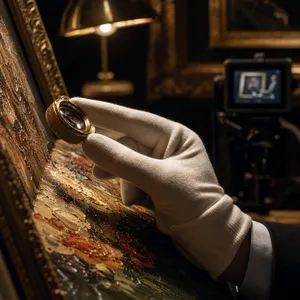
No canvas leaves our studio unchecked. Before dispatch, we review color, composition, brush texture, and packaging readiness, then provide real finished artwork photos for approval when requested.

In an era of hybrid giclee prints, we remain a slow-art island. Every piece begins on blank organic linen, painted entirely by hand. We reject digital shortcuts to guarantee true archival longevity.
From a single product image, this section previews how the same handmade painting can look in the studio, rolled for local framing, prepared with frame options, or protected for courier delivery. The artwork shown here is the current product image, ready to be replaced by WooCommerce data later.
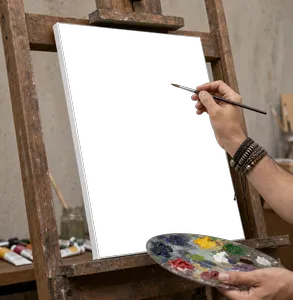
Every DafenArts reproduction is painted stroke by stroke by an experienced studio artist. It is not a print or machine-assisted overlay. The finished piece has layered oil pigment, visible brushwork, and the character of a handmade artwork.
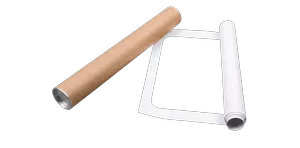
For collectors preferring to collaborate with their local framers, we ship the canvas gently rolled inside a reinforced archival tube. We provide generous blank canvas margins to ensure impeccable stretching without compromising the painted area.
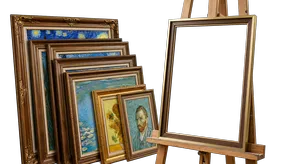
Choose to have your artwork professionally stretched on wooden stretcher bars, finished as a seamless gallery wrap, or paired with a classic frame. These options turn the canvas into a finished, ready-to-display artwork.

Every order is packed for international transit and dispatched via trusted global couriers. Your artwork is protected with packaging matched to the selected finish and supported by shipment tracking from our studio to your address.



Unframed paintings are covered with an archival film, gently rolled, and placed inside a heavy-duty canvas tube.
Stretched and framed paintings are secured with custom foam board constraints and reinforced corrugated boxes.
Clear details about hand painting, approval, delivery, framing, and long-term care before commissioning this artwork.
Each reproduction is painted by hand on canvas by a studio artist. It is not a poster, giclee print, canvas transfer, or printed image with added texture.
Yes. After the painting is completed, studio photos can be sent for approval before dispatch. If a clear order detail needs adjustment, we handle that before shipping.
Yes. Rolled canvas is best for local framing, while stretched canvas, gallery wrap, and framed options are prepared for customers who want a ready-to-hang finish.
Rolled canvases are protected with archival film and shipped in a reinforced tube. Stretched or framed paintings are secured with corner protection, foam board, and a reinforced outer box.
Custom requests can be noted after ordering, including preferred size, crop, orientation, or color direction. The studio will use those notes during production.
Display the painting indoors, away from direct sunlight, extreme humidity, and heat. Dust gently with a soft dry cloth and avoid household cleaners on the painted surface.