

Experienced Studio Artists
Our studio artists focus on traditional oil painting techniques. Each reproduction is built stroke by stroke with attention to composition, color matching, and surface texture.
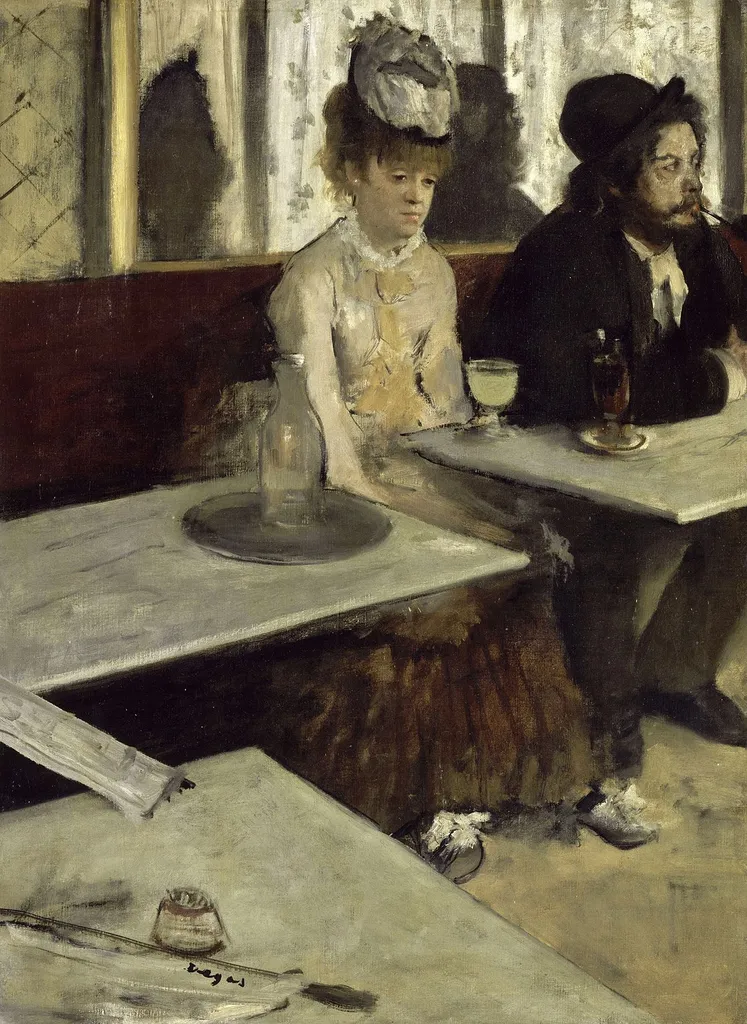
A printed canvas can reproduce the outline and color of an image, but it cannot create the surface of an oil painting. This Degas Absinthe reproduction is painted by hand on canvas, so the muted grays, warm browns, pale green notes, and quiet figure shapes are built with real paint rather than ink. The result has visible brushwork and subtle surface variation that can be appreciated from across the room and at close range.
The composition is not designed as cheerful drinking decor. Its strength comes from restraint: two figures sit near one another in a Paris cafe yet appear emotionally distant. That unresolved mood gives the painting a thoughtful presence in a study, reading room, living room, hallway, or hospitality interior where reflective art is more appropriate than bright decorative color.
Your reproduction is hand-painted over approximately 10-15 days. After the painting stage, final photos are provided for approval before shipping. This review step lets you see the completed work rather than receiving an unseen mass-produced print. Because the surface is created by hand, natural differences in individual brush marks are part of the process and help each reproduction feel like a painted object rather than a mechanically repeated image.
Available size choices can be considered in relation to your wall, furniture, and viewing distance. For a special placement, you can also review the custom oil painting options before ordering. Shipping method and timing should be confirmed for the destination and selected format instead of relying on a one-size-fits-all delivery promise.
From a distance, a print may deliver the general scene. Up close, the difference becomes clearer. A print places color on a flat surface; a hand-painted oil reproduction uses physical strokes to rebuild edges, transitions, shadows, and highlights. In this work, that distinction matters because the visual effect depends on subdued shifts of tone rather than on a single bright focal point. Painted passages can catch changing room light and give the cafe interior a quieter depth than a smooth poster or giclee.
The historical artwork is known by several closely related titles. Buyers may encounter The Absinthe Drinker, L'Absinthe, Absinthe, or In a Cafe. These names refer to the same Degas cafe scene and explain why searches for a Degas Absinthe reproduction can use different wording. This product is a modern hand-painted reproduction after Edgar Degas; it is not the historical original and is not presented as an official, licensed, or museum-endorsed edition.
An archived Musee d'Orsay work page identifies the source artwork as oil on canvas and records its original dimensions as 92 x 68.5 cm. That measurement belongs only to the historical artwork. It does not describe the size of this product, its frame, or any specific variation. The vertical proportion is still useful as design context because it explains why the composition reads naturally as a portrait-format wall piece.
Sources differ on the exact year attached to the artwork, so this page uses the careful description from the 1870s rather than forcing a disputed date. The focus here is the source-backed visual identity: a cafe interior, an off-center composition, two seated figures, a muted palette, and an atmosphere of emotional separation.
Degas often turned his attention to enclosed urban spaces and people observed within them. In this composition, the figures are physically close but psychologically separate. Their gaze does not invite the viewer into a conversation. The table, glassware, pale drink, reflected forms, and cropped edges establish the cafe setting, while the open space around the figures makes the silence feel larger.
The archived museum commentary notes the unusual off-center framing and its relationship to Japanese print influence. Rather than placing the sitters in a conventional centered portrait, the scene feels caught from a neighboring table. Edges are interrupted, empty areas remain active, and the viewer enters at an angle. This structure is one reason the painting continues to feel modern without requiring exaggerated color or theatrical action.
The subject should be read with care. It is not an advertisement for absinthe or a celebration of alcohol. The cafe setting supports a broader reading of urban isolation, fatigue, and emotional distance. For buyers, that means the work is best chosen for its psychological atmosphere, Degas connection, and understated interior palette, not as novelty drinking art.
The palette is restrained rather than decorative in an obvious way. Soft earth colors, gray-green notes, dark clothing, pale tabletop surfaces, and subdued skin tones create a low-saturation arrangement that can work with walnut, oak, black metal, aged brass, charcoal upholstery, warm neutral walls, and natural linen textures already present in a room. The painting can add narrative interest without introducing a large block of intense color.
In a living room, the work suits a quieter seating area where viewers can approach the canvas and notice the painted surface. In a study or home office, the vertical format can occupy a narrower wall between shelving, beside a reading chair, or above a compact console. In a hallway or landing, the two-figure composition rewards a slower look as people pass. A hotel lounge, restaurant, or reception space may also use the cafe subject, provided the presentation remains reflective rather than glamorizing alcohol.
Because screens display color differently and room lighting changes the appearance of oil paint, the final approval photos are important. They give you a direct view of the completed reproduction before dispatch and provide a practical checkpoint for a product whose value depends on hand-painted execution.
The historical artwork's 92 x 68.5 cm dimensions create a vertical ratio that is taller than it is wide without becoming extremely narrow. That proportion works well for walls where a broad landscape canvas would feel crowded. When selecting a product size, begin with the usable wall area rather than copying the original dimensions. Measure the width available after allowing visual space around nearby shelves, lamps, door trim, or furniture.
For placement above a console, desk, or small sofa, the painting should relate to the furniture width instead of floating as an isolated small rectangle. On a narrow wall, preserve enough open space around the canvas so the off-center composition does not feel visually compressed. In a larger room, a larger reproduction can make the muted scene readable from normal seating distance while still allowing the brushwork to reward closer viewing.
The original size is supplied as historical reference and proportion guidance only. Product size, stretching, framing, and delivery format should be chosen from the available order options or discussed through the custom route. This separation prevents confusion between the museum-recorded artwork and the hand-painted canvas produced for your space.
A canvas print starts with a digital image and transfers ink onto a surface. It can be convenient, but the highlights, edges, and dark passages remain part of one mechanically printed layer. A hand-painted oil reproduction is constructed through decisions made with a brush. The painter must interpret how one muted tone meets another, how the figures separate from the background, and how much visible texture should remain across the canvas.
That process does not turn the reproduction into the historical original, and it should not be described as an identical museum copy. Its value is different: it translates the composition into a newly painted surface for a contemporary interior. Buyers who want physical brushwork, small variations, and a more object-like wall presence generally have a stronger reason to choose the hand-painted route. The famous painting reproduction guide offers more context for evaluating reproductions, while the Dafen hand-painted reproduction guide explains the production tradition behind this category.
Edgar Degas is closely associated with Impressionism, but his urban interiors and figure studies often differ from the outdoor light effects many buyers first connect with that movement. This product page therefore uses the artist connection as context without treating an old product tag as proof of a definitive classification for this exact work. The practical buying signals are clearer: Degas, a 19th-century Paris cafe interior, muted color, asymmetric framing, two figures, and hand-painted oil texture.
Collectors of Degas imagery may pair this work with ballet, rehearsal, portrait, or other urban subjects while keeping the wall arrangement varied. The cafe scene offers a darker, more introspective counterpoint to lighter dancer compositions. Browse the Edgar Degas collection to compare subjects and formats, or visit the broader Master Artists collection when planning a mixed grouping.
This L'Absinthe reproduction is a strong choice for buyers who value recognizable art history but do not want a bright or purely decorative image. It suits someone drawn to psychological figure scenes, Parisian interiors, restrained color, and asymmetric composition. It can also work for a buyer comparing a print with a painted canvas and looking for visible evidence that the final object was made with oil paint by hand.
It may be less suitable for a room that needs cheerful color, a celebratory bar theme, or a simple background image. The work asks for attention and carries a sober mood. Choosing it intentionally helps the painting support the room rather than conflict with its purpose. For broader room-planning help, see the guide to living room oil painting scale, color, and texture.
After you select the preferred format, the painting is produced by hand over approximately 10-15 days. Final photos are then shared for approval before shipping. This process is especially useful for a low-saturation composition because it lets you review the overall balance, figure placement, and visible painted surface before the order leaves the studio.
Delivery timing depends on the destination and order configuration, so final shipping details should be confirmed rather than assumed from a generic promise. The product remains a hand-painted reproduction after Edgar Degas, not an original Degas artwork, authorized edition, museum-certified copy, or guarantee of exact duplication. Those boundaries protect the historical identity of the source work while keeping the buyer benefit clear: a newly painted oil-on-canvas interpretation with real brushwork for a chosen space.
Is this an original Edgar Degas painting?
No. It is a contemporary hand-painted oil reproduction after Edgar Degas. The historical artwork remains distinct from the canvas produced for your order.
What is the original artwork size?
The archived Musee d'Orsay page records the historical oil-on-canvas artwork at 92 x 68.5 cm. This is reference information only and is not the product size.
Is it a canvas print or giclee?
No. The product is described as 100% hand-painted, with oil paint applied by hand on canvas rather than an ink image printed onto canvas.
Can I approve the painting before it ships?
Yes. Final painting photos are provided for approval after the approximately 10-15 day painting stage and before shipping.
Can the artwork be sized for a particular wall?
Review the available size options and measure the intended wall area first. For a special requirement, use the custom painting service to discuss the placement and requested dimensions.
Choose real oil-paint texture instead of a flat printed image.
This is a 100% hand-painted oil reproduction of The Absinthe Drinker, also known as L'Absinthe, created after Edgar Degas on canvas with visible brushwork and a restrained cafe mood.
Hand-painted in approximately 10-15 days • Final painting photos provided for approval before shipping • Size and delivery details confirmed for your order
Scale reference: the figure is 180cm tall with an estimated 46cm shoulder width.
Selected size: 24in x 33in (60.4cm x 82.8cm)
SKU: MAS-ED-P13605-COM-S-60.4X82.8CM
Preview the selected painting inside different interiors. Drag the artwork, adjust the scale, or upload your own room photo before commissioning.
We do not sell flat prints. Every canvas is painted by hand with visible brushwork,
studio review, and material care from the heart of Dafen.
Our studio artists focus on traditional oil painting techniques. Each reproduction is built stroke by stroke with attention to composition, color matching, and surface texture.
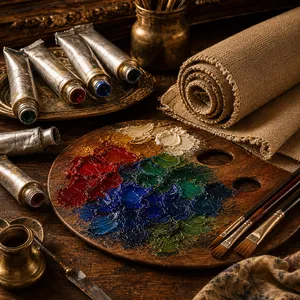
We use artist-grade oil paint and durable canvas selected for strong color, texture, and long-term display in normal indoor conditions.
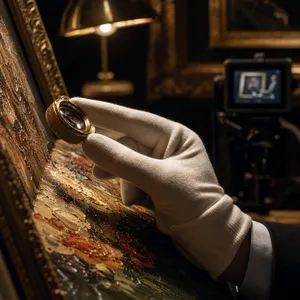
No canvas leaves our studio unchecked. Before dispatch, we review color, composition, brush texture, and packaging readiness, then provide real finished artwork photos for approval when requested.
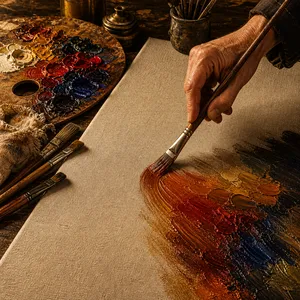
In an era of hybrid giclee prints, we remain a slow-art island. Every piece begins on blank organic linen, painted entirely by hand. We reject digital shortcuts to guarantee true archival longevity.
From a single product image, this section previews how the same handmade painting can look in the studio, rolled for local framing, prepared with frame options, or protected for courier delivery. The artwork shown here is the current product image, ready to be replaced by WooCommerce data later.
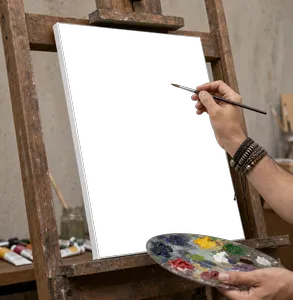
Every DafenArts reproduction is painted stroke by stroke by an experienced studio artist. It is not a print or machine-assisted overlay. The finished piece has layered oil pigment, visible brushwork, and the character of a handmade artwork.
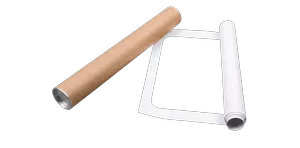
For collectors preferring to collaborate with their local framers, we ship the canvas gently rolled inside a reinforced archival tube. We provide generous blank canvas margins to ensure impeccable stretching without compromising the painted area.
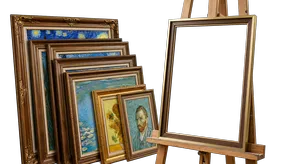
Choose to have your artwork professionally stretched on wooden stretcher bars, finished as a seamless gallery wrap, or paired with a classic frame. These options turn the canvas into a finished, ready-to-display artwork.
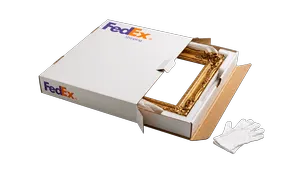
Every order is packed for international transit and dispatched via trusted global couriers. Your artwork is protected with packaging matched to the selected finish and supported by shipment tracking from our studio to your address.



Unframed paintings are covered with an archival film, gently rolled, and placed inside a heavy-duty canvas tube.
Stretched and framed paintings are secured with custom foam board constraints and reinforced corrugated boxes.
Clear details about hand painting, approval, delivery, framing, and long-term care before commissioning this artwork.
Each reproduction is painted by hand on canvas by a studio artist. It is not a poster, giclee print, canvas transfer, or printed image with added texture.
Yes. After the painting is completed, studio photos can be sent for approval before dispatch. If a clear order detail needs adjustment, we handle that before shipping.
Yes. Rolled canvas is best for local framing, while stretched canvas, gallery wrap, and framed options are prepared for customers who want a ready-to-hang finish.
Rolled canvases are protected with archival film and shipped in a reinforced tube. Stretched or framed paintings are secured with corner protection, foam board, and a reinforced outer box.
Custom requests can be noted after ordering, including preferred size, crop, orientation, or color direction. The studio will use those notes during production.
Display the painting indoors, away from direct sunlight, extreme humidity, and heat. Dust gently with a soft dry cloth and avoid household cleaners on the painted surface.