


Experienced Studio Artists
Our studio artists focus on traditional oil painting techniques. Each reproduction is built stroke by stroke with attention to composition, color matching, and surface texture.

This Seine Bridge at Argenteuil reproduction is painted in oils by Dafen artists after Claude Monet's 1874 composition. The product is a modern hand-painted interpretation, clearly separate from the historical canvas and from mass-produced printed wall art. That distinction matters when you want a surface with real brush marks, small variations made by hand, and color that responds to the light in your room.
The bridge, boats, sky, water, and reflections are rebuilt through applied paint rather than reproduced as ink dots. From across the room, the scene reads as a calm blue river landscape. As you move closer, the painted surface becomes part of the experience: broken touches, softened transitions, and visible color changes give the image a physical presence that a smooth print does not provide.
The composition balances two moods. The iron bridge gives the upper half a strong architectural rhythm, while the boats and reflected sky keep the lower half fluid and relaxed. Blue, blue-gray, green, cream, charcoal, and warm ochre make it easy to place with neutral upholstery, natural wood, black metal, pale walls, or restrained coastal accents without turning the room into a themed space.
Use it above a sofa or console when you need a clear horizontal focal point, or place it in a study where the meeting of modern engineering and open water can feel thoughtful rather than decorative. The scene has enough structure to hold a larger wall, yet its open sky and cool palette help it remain visually breathable.
Because each reproduction is painted by hand, minor differences in brush direction, color mixing, edge handling, and small details are part of the result. The finished-artwork photo review lets you examine the overall balance, bridge placement, boat shapes, reflections, and color mood before shipment. This is especially useful when the size you select has a different proportion from the historical original.
The current production estimate is 10-15 days, followed by final photo approval before shipping and express delivery in 5-7 days. Review the finished image at normal viewing size as well as close up, and ask about framing or edge treatment if those choices affect how you plan to display the canvas.
The source for this product is Claude Monet's Seinebrücke von Argenteuil, often translated as Seine Bridge at Argenteuil or The Bridge over the Seine at Argenteuil. The Bayerische Staatsgemäldesammlungen dates the historical oil-on-canvas work to 1874 and records it in the Neue Pinakothek collection in Munich, inventory 8642. Its published dimensions are 59.8 x 81.4 cm. Those measurements describe the historical original only; they are not the dimensions of the product variation you purchase.
Exact identification is important because Monet painted several bridge views at Argenteuil in 1874, and English titles are often used loosely by shops and image libraries. Other museums hold distinct compositions called Le Pont d'Argenteuil or The Bridge at Argenteuil. This product image matches the Neue Pinakothek version: a broad iron bridge crosses the canvas, boats gather below it, and the viewer looks through the structure toward the opposite bank. Keeping that version clear prevents the story, dimensions, and museum record of one painting from being attached to another.
This modern DafenArts painting should therefore be described as a hand-painted oil reproduction after Claude Monet. It is not the 1874 object, not painted by Monet, and has no stated museum affiliation or certification. That plain distinction gives you useful art context without confusing historical authorship with the contemporary painting you will receive.
The holding museum explains that the bridge shown here had been rebuilt across the Seine at Argenteuil in 1872 after the Franco-Prussian War. Monet chose an upstream viewpoint. Beyond the bridge are the riverbank and the hills of Orgemont; closer to the viewer, moored boats and their slender masts break the wide horizontal bands of bridge, shore, and water. The result joins a modern iron structure with everyday river activity instead of treating technology and landscape as opposites.
That relationship is the heart of the scene. Heavy piers and repeating metal arches create a stable frame, but the river refuses to become static. Reflections fragment the bridge supports, boat hulls interrupt the blue surface, and the grassy foreground introduces irregular green and ochre strokes. The sky remains open above the deck, so the composition feels expansive even though the bridge occupies much of the image.
For a buyer, this makes the painting more versatile than a generic pastoral landscape. It can suit interiors that mix traditional artwork with modern furniture, industrial accents with soft textiles, or travel and river imagery with a quiet working space. The subject offers recognizable architecture and boats without depending on a portrait, a dramatic narrative, or a highly specific room style.
Monet's Argenteuil work is closely connected with Impressionism's attention to changing outdoor light, color, and visible painterly handling. In this composition, cool blue dominates the sky and river, but it is interrupted by cream clouds, dark bridge shadows, yellow-orange masts, green banks, and warm stone piers. These small contrasts keep the large blue areas lively and help the bridge read as structure without becoming visually severe.
A hand-painted reproduction can translate that color rhythm through separate touches of oil paint. Look for transitions rather than mechanical uniformity: broken blues in the water, softened pale marks in the clouds, warmer notes around boats and piers, and darker strokes that define the iron bridge. The goal is not to claim an identical historical surface or exact pigment match. It is to create a contemporary painted interpretation in which the relationship between light, water, boats, and architecture remains legible.
When reviewing the finished-artwork photo, first step back from the image on screen. The bridge should feel stable, while the water and sky should remain open. Then inspect closer details: the masts should provide vertical accents, the boats should stay distinct from their reflections, and the foreground should connect visually with the river rather than forming a hard band. Natural variation is expected in a hand-painted work, but the main composition, color balance, and calm river mood should remain recognizable.
The historical canvas measures 59.8 x 81.4 cm, a landscape proportion of roughly 1.36 to 1. The available product formats may use different proportions, so do not assume every size will show precisely the same amount of image at every edge. A wider format can emphasize the bridge's sweep and the river's horizontal movement. A less wide format may place more attention on the central arch, boats, and piers. Use the finished-artwork photo to confirm how the composition has been adapted for the size you selected.
For placement above furniture, measure the usable wall width rather than the entire wall. A painting that occupies roughly two-thirds to three-quarters of the furniture width often creates a settled relationship, but treat that as a starting point rather than a fixed rule. Leave enough open space around the canvas for the bridge silhouette to read clearly. In a narrow office or study, a smaller size can preserve the scene's detail without crowding shelves or lamps. On a broad living-room wall, a larger format lets the boats, water, and iron structure become a stronger focal point.
Consider viewing distance as well as dimensions. From farther away, the bridge and blue atmosphere lead. At medium distance, the boats, masts, and reflections become more noticeable. Close up, the painted surface becomes the subject. If the room receives strong daylight, place the work where glare will not hide the darker bridge details. If you plan to frame it, choose a finish that supports the palette: warm wood can echo the ochre masts and piers, a dark simple frame can reinforce the bridge, and a pale neutral frame can keep the blue scene airy.
Before ordering, compare the selected canvas size with a paper outline or painter's tape on the wall. Check it from the doorway and from the seat where you will see it most often. This simple test is more reliable than choosing by room label alone, and it helps you decide whether you want the painting to be a quiet supporting element or the main visual anchor.
Is this an original Claude Monet painting? No. It is a modern hand-painted oil reproduction after Monet's 1874 Seinebrücke von Argenteuil. The historical work belongs to the Bayerische Staatsgemäldesammlungen - Neue Pinakothek collection. The product description uses Monet and the artwork title to identify the source composition, not to claim historical authorship of the DafenArts painting.
Is it a canvas print? The product is described as hand-painted in oils rather than printed. Visible brushwork and small painter-made variations are therefore expected. If you are comparing formats, look at the surface under angled light and review close-up details; a painted surface should show physical marks instead of a uniformly printed image.
What are the original artwork's dimensions? The holding museum publishes 59.8 x 81.4 cm for the historical oil on canvas. This field is included for artwork reference and proportion planning. It does not limit the product to that size, and it should not be confused with the variation you select.
Why are there several English titles? The museum's German title is Seinebrücke von Argenteuil. English sellers and image records may use Seine Bridge at Argenteuil, The Bridge over the Seine at Argenteuil, or the shorter The Bridge over the Seine. Because Monet made other Argenteuil bridge paintings, this page anchors the identity to the verified Neue Pinakothek composition.
What should I check in the approval photo? Confirm the overall bridge span, the balance of sky and water, the placement of the main boats and masts, the blue-gray color mood, and the treatment of reflections. Also confirm how the selected canvas proportion affects the outer edges. Judge the whole image first, then inspect brushwork and smaller details.
Which rooms suit this subject? The cool river palette and strong architectural line can work in living rooms, offices, studies, reading areas, and blue-neutral bedrooms. It pairs naturally with wood, stone, linen-like neutrals, black metal, and understated coastal colors. Room fit ultimately depends on wall dimensions, surrounding colors, and how prominent you want the bridge to feel.
Bring Monet's blue Argenteuil river scene into your room as a genuinely hand-painted oil painting.
This is a 100% hand-painted oil reproduction after Claude Monet's Seinebrücke von Argenteuil, not the historical original and not a canvas print.
Hand-painted in 10-15 days - final photo approval before shipping - express delivery in 5-7 days.
Scale reference: the figure is 180cm tall with an estimated 46cm shoulder width.
Selected size: 33in x 24in (82.6cm x 60.6cm)
SKU: MAS-CM-P21356-COM-S
Preview the selected painting inside different interiors. Drag the artwork, adjust the scale, or upload your own room photo before commissioning.
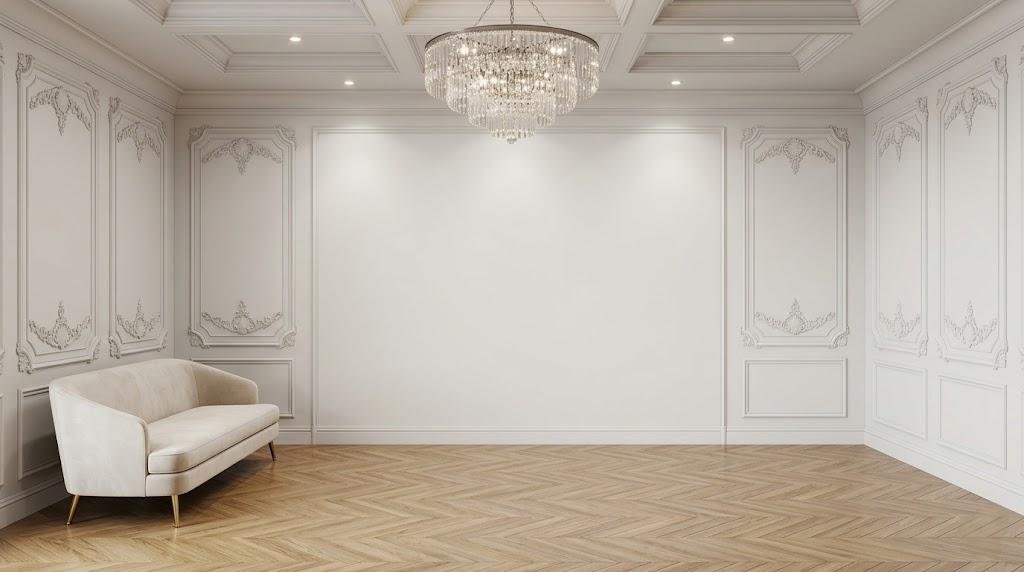
We do not sell flat prints. Every canvas is painted by hand with visible brushwork,
studio review, and material care from the heart of Dafen.
Our studio artists focus on traditional oil painting techniques. Each reproduction is built stroke by stroke with attention to composition, color matching, and surface texture.

We use artist-grade oil paint and durable canvas selected for strong color, texture, and long-term display in normal indoor conditions.
No canvas leaves our studio unchecked. Before dispatch, we review color, composition, brush texture, and packaging readiness, then provide real finished artwork photos for approval when requested.
In an era of hybrid giclee prints, we remain a slow-art island. Every piece begins on blank organic linen, painted entirely by hand. We reject digital shortcuts to guarantee true archival longevity.
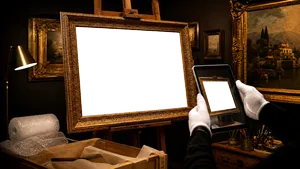
From a single product image, this section previews how the same handmade painting can look in the studio, rolled for local framing, prepared with frame options, or protected for courier delivery. The artwork shown here is the current product image, ready to be replaced by WooCommerce data later.
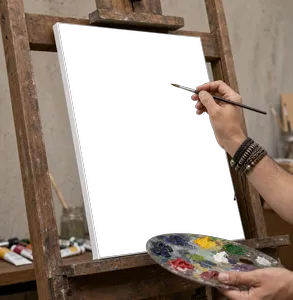
Every DafenArts reproduction is painted stroke by stroke by an experienced studio artist. It is not a print or machine-assisted overlay. The finished piece has layered oil pigment, visible brushwork, and the character of a handmade artwork.
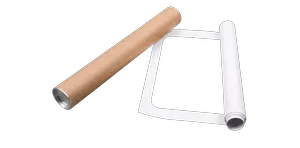
For collectors preferring to collaborate with their local framers, we ship the canvas gently rolled inside a reinforced archival tube. We provide generous blank canvas margins to ensure impeccable stretching without compromising the painted area.
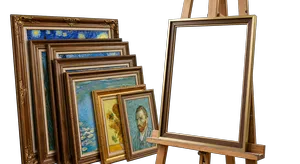
Choose to have your artwork professionally stretched on wooden stretcher bars, finished as a seamless gallery wrap, or paired with a classic frame. These options turn the canvas into a finished, ready-to-display artwork.
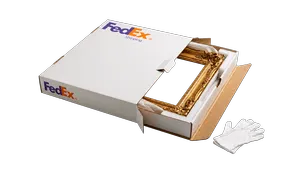
Every order is packed for international transit and dispatched via trusted global couriers. Your artwork is protected with packaging matched to the selected finish and supported by shipment tracking from our studio to your address.


Unframed paintings are covered with an archival film, gently rolled, and placed inside a heavy-duty canvas tube.
Stretched and framed paintings are secured with custom foam board constraints and reinforced corrugated boxes.
Clear details about hand painting, approval, delivery, framing, and long-term care before commissioning this artwork.
Each reproduction is painted by hand on canvas by a studio artist. It is not a poster, giclee print, canvas transfer, or printed image with added texture.
Yes. After the painting is completed, studio photos can be sent for approval before dispatch. If a clear order detail needs adjustment, we handle that before shipping.
Yes. Rolled canvas is best for local framing, while stretched canvas, gallery wrap, and framed options are prepared for customers who want a ready-to-hang finish.
Rolled canvases are protected with archival film and shipped in a reinforced tube. Stretched or framed paintings are secured with corner protection, foam board, and a reinforced outer box.
Custom requests can be noted after ordering, including preferred size, crop, orientation, or color direction. The studio will use those notes during production.
Display the painting indoors, away from direct sunlight, extreme humidity, and heat. Dust gently with a soft dry cloth and avoid household cleaners on the painted surface.