
Experienced Studio Artists
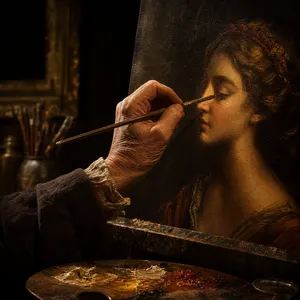
Our studio artists focus on traditional oil painting techniques. Each reproduction is built stroke by stroke with attention to composition, color matching, and surface texture.

This The Bridge Amsterdam reproduction is painted by hand rather than transferred to canvas by a printer. An artist builds the scene with oil color, adjusting edges, transitions, reflections, and surface texture as the image develops. The result is not the historical Monet original and is not presented as a work painted by Claude Monet. It is a modern, hand-painted oil reproduction after Monet's Le pont, Amsterdam, created for people who want the presence of painted color and visible brushwork in their room.
From a normal viewing distance, the bridge, canal, boats, buildings, and sky read as a unified cityscape. When you move closer, the surface reveals the human process behind it: individual marks, layered color, and small variations that a flat print cannot provide. Because each canvas is painted individually, minor differences in brush direction and color transitions are part of the handmade character. The composition remains recognizable while the finished surface has the natural individuality of an oil painting.
The horizontal composition gives a room a settled, expansive rhythm. The drawbridge creates a strong architectural anchor, while water and open sky prevent the image from feeling heavy. Cool, weathered color and reflected light make the painting especially comfortable in living rooms, studies, offices, libraries, and quiet reading areas. It can complement neutral upholstery, warm wood, charcoal, blue-gray, olive, and muted brass without demanding that every object in the room match it.
Choose a size in relation to the furniture beneath it rather than selecting by wall width alone. Above a sofa or console, allow the painting to feel visually connected to the furniture group. In a study or office, a smaller format can create an intimate window-like effect. In a larger room, scaling the composition up lets the bridge and water become a focal point while preserving the calm atmosphere that makes this Amsterdam canal subject easy to live with.
A canvas print reproduces an image with ink, so its color sits in a mechanically uniform layer. A hand-painted oil reproduction is constructed with actual paint. Light catches raised and thinly painted passages differently as you walk through the room, giving the surface a changing physical presence. That distinction matters most in works built around atmosphere and reflection: the canal, damp sky, and dark structure of the drawbridge benefit from a surface that can move between soft transitions and firmer painted accents.
Hand painting does not mean that the modern canvas is the historical original, an exact archival duplicate, or a museum-certified object. It means the product is made with brushes and oil paint rather than printed. If you are deciding between formats, review our guide to how to tell whether an oil painting is hand-painted and the broader guide to famous painting reproductions on canvas. Those resources explain how texture, variation, viewing distance, and room placement affect the finished experience.
Shelburne Museum identifies the historical painting as Le pont, Amsterdam (The Drawbridge, Amsterdam) by Claude Monet. The holding museum currently dates the oil-on-canvas work to 1870-71 and lists its dimensions as 21 × 25 inches, approximately 53.3 × 63.5 cm. Those measurements describe the historical original only; they are not a limitation on the available size of this modern DafenArts reproduction.
The museum identifies the raised bridge as the Peperbrug over the Rapenburgwal canal and notes the Montelbaanstoren among the Amsterdam landmarks in the scene. This corrects a common online mix-up with the Staalmeestersbrug, Groenburgwal, and Zuiderkerk. The collection reference is included to explain the subject accurately, not to suggest that Shelburne Museum authorizes, certifies, or endorses this product. DafenArts and its painters are independent from the museum and from Monet's historical studio.
The bridge provides the composition's clearest geometry. Its raised span and upright structure interrupt the softer bands of water and sky, turning a practical part of the city into the scene's visual hinge. Buildings and boats help establish human activity without overwhelming the atmosphere. The canal leads the eye through the view, while reflections loosen solid forms into shifting patches of color. That balance between structure and movement is one reason the image remains effective at both modest and large wall sizes.
Shelburne Museum describes bold color, short brushstrokes, rainy atmosphere, and changing effects of light across the active scene. Those qualities connect the work to the visual interests associated with Impressionism: immediate weather, broken touches, urban modernity, and the way water changes what it reflects. In this reproduction, the goal is to retain that relationship rather than turn every edge into a hard outline. Softer transitions around the sky and water allow the bridge to stay strong without making the whole painting feel rigid.
The artist approaches the image in stages. Broad areas establish the overall balance of sky, architecture, water, and foreground. Mid-sized marks organize the bridge, buildings, boats, and reflections. Smaller accents then clarify important edges and points of light. This layered process gives the surface a varied rhythm: some passages may appear quiet and blended, while others show more direct brush movement. The exact distribution of texture can vary slightly because every canvas is painted by hand.
The palette works through restrained contrasts rather than bright decorative color alone. Cool notes can suggest damp air and canal water, while warmer touches keep the architecture and activity from disappearing into gray. Darker bridge elements create depth, and lighter passages open the sky and reflections. Under side lighting, the paint surface becomes more visible; under softer front lighting, color relationships and atmosphere take priority. Both conditions reveal qualities that cannot be reproduced by a uniformly printed layer.
The historical canvas is approximately 53.3 × 63.5 cm, a horizontal proportion close to 1:1.19. When choosing a reproduction size, preserving that proportion protects the relationship between the bridge, water, sky, and surrounding architecture. A size with a noticeably wider or taller ratio may require cropping, added image area, or another composition adjustment. If exact image retention matters to you, choose a proportion close to the original or confirm the planned crop before painting begins.
For a sofa wall, many buyers prefer a finished width that feels substantial without extending beyond the furniture group. A study, hallway, or reading corner can support a smaller and more concentrated presentation. Larger versions make the bridge structure and water reflections easier to read from across a room, but viewing distance should increase with scale. Our living room oil painting guide offers practical advice on measuring the wall, considering furniture width, and judging how color and texture behave from different distances.
A warm wood or restrained antique-gold frame can connect the work to traditional interiors, while a narrow dark or natural-wood frame suits contemporary rooms. The frame should support the composition rather than compete with the drawbridge. If the room already contains ornate furniture or patterned textiles, a simpler frame often gives the image enough breathing space. In a minimal room, a more substantial profile can help the painting feel intentionally anchored on the wall.
Hang the center of the painting near comfortable eye level and avoid placing the surface where harsh, direct sunlight strikes it for long periods. Gentle ambient or angled picture lighting can reveal texture without producing excessive glare. Leave enough open wall around the frame for the horizontal scene to read clearly. Above furniture, a consistent visual gap usually works better than hanging the canvas near the ceiling. The calmer the placement, the more naturally the canal and weathered atmosphere become part of the room.
The current product workflow allows approximately 10-15 days for hand painting. During that time, the artist develops the composition rather than simply applying a printed image to canvas. After painting, a final photograph is provided for approval before shipping. This checkpoint gives you a chance to review the completed work as a handmade object. Express delivery is currently listed at 5-7 days after approval and dispatch; actual timing can still depend on destination and order details.
If you need a particular size or proportion, communicate it before the painting stage begins. Reference the intended wall, furniture width, preferred framing plan, and whether retaining the entire composition is more important than filling a specific frame. For a different crop, unusual dimensions, or another source image, the custom oil painting service provides a clearer route than assuming every variation can be produced from the standard layout. Early decisions help the artist plan the bridge, skyline, water, and margins as one composition.
This exact-work page serves shoppers who already know the Amsterdam drawbridge image. If you are comparing several subjects, browse the Claude Monet product category for other water, landscape, garden, coastal, and city views. The broader Master Artists collection offers additional historical compositions interpreted as modern hand-painted oil reproductions. These routes make it easier to compare palette, orientation, room mood, and subject before choosing a final canvas.
The strongest reason to choose this scene is its balance: recognizable architecture without visual heaviness, movement without chaos, and historical context without requiring a formal gallery setting. It can function as a quiet focal point, reward closer inspection through its painted surface, and adapt to both traditional and contemporary interiors. By pairing source-backed artwork identification with clear reproduction language, the page helps you choose the image for what it genuinely is-a new hand-painted oil interpretation of a Monet Amsterdam cityscape.
A hand-painted oil reproduction after Claude Monet-not a canvas print.
The Bridge, Amsterdam, also known as Le pont, Amsterdam, is recreated brush by brush on premium linen canvas, bringing the canal, raised drawbridge, reflected light, and atmospheric color into a tactile work of wall art.
Hand-painted in 10-15 days - final photo approval before shipping - express delivery listed at 5-7 days.
Scale reference: the figure is 180cm tall with an estimated 46cm shoulder width.
Selected size: 30in x 26in (76.7cm x 65.2cm)
SKU: MAS-CM-P21357-COM-S
Preview the selected painting inside different interiors. Drag the artwork, adjust the scale, or upload your own room photo before commissioning.
We do not sell flat prints. Every canvas is painted by hand with visible brushwork,
studio review, and material care from the heart of Dafen.
Our studio artists focus on traditional oil painting techniques. Each reproduction is built stroke by stroke with attention to composition, color matching, and surface texture.
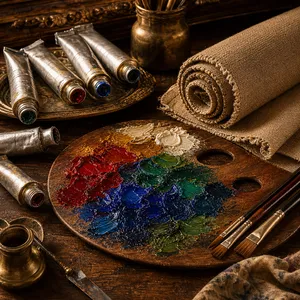
We use artist-grade oil paint and durable canvas selected for strong color, texture, and long-term display in normal indoor conditions.
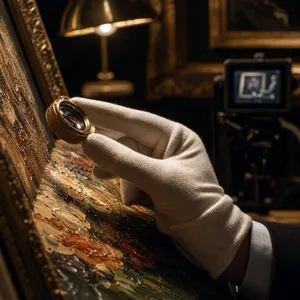
No canvas leaves our studio unchecked. Before dispatch, we review color, composition, brush texture, and packaging readiness, then provide real finished artwork photos for approval when requested.
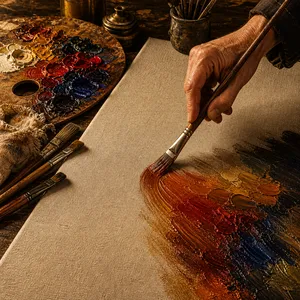
In an era of hybrid giclee prints, we remain a slow-art island. Every piece begins on blank organic linen, painted entirely by hand. We reject digital shortcuts to guarantee true archival longevity.
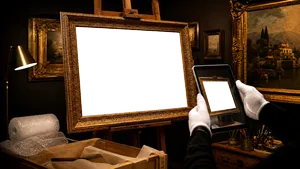
From a single product image, this section previews how the same handmade painting can look in the studio, rolled for local framing, prepared with frame options, or protected for courier delivery. The artwork shown here is the current product image, ready to be replaced by WooCommerce data later.
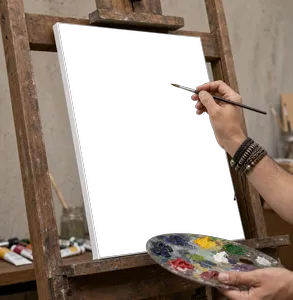
Every DafenArts reproduction is painted stroke by stroke by an experienced studio artist. It is not a print or machine-assisted overlay. The finished piece has layered oil pigment, visible brushwork, and the character of a handmade artwork.
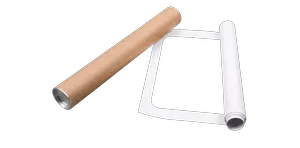
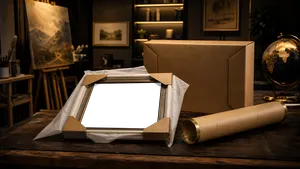
For collectors preferring to collaborate with their local framers, we ship the canvas gently rolled inside a reinforced archival tube. We provide generous blank canvas margins to ensure impeccable stretching without compromising the painted area.
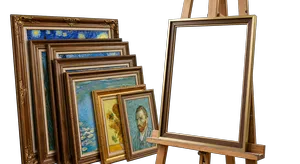
Choose to have your artwork professionally stretched on wooden stretcher bars, finished as a seamless gallery wrap, or paired with a classic frame. These options turn the canvas into a finished, ready-to-display artwork.
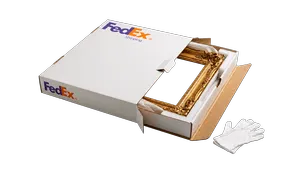
Every order is packed for international transit and dispatched via trusted global couriers. Your artwork is protected with packaging matched to the selected finish and supported by shipment tracking from our studio to your address.


Unframed paintings are covered with an archival film, gently rolled, and placed inside a heavy-duty canvas tube.
Stretched and framed paintings are secured with custom foam board constraints and reinforced corrugated boxes.
Clear details about hand painting, approval, delivery, framing, and long-term care before commissioning this artwork.
Each reproduction is painted by hand on canvas by a studio artist. It is not a poster, giclee print, canvas transfer, or printed image with added texture.
Yes. After the painting is completed, studio photos can be sent for approval before dispatch. If a clear order detail needs adjustment, we handle that before shipping.
Yes. Rolled canvas is best for local framing, while stretched canvas, gallery wrap, and framed options are prepared for customers who want a ready-to-hang finish.
Rolled canvases are protected with archival film and shipped in a reinforced tube. Stretched or framed paintings are secured with corner protection, foam board, and a reinforced outer box.
Custom requests can be noted after ordering, including preferred size, crop, orientation, or color direction. The studio will use those notes during production.
Display the painting indoors, away from direct sunlight, extreme humidity, and heat. Dust gently with a soft dry cloth and avoid household cleaners on the painted surface.