


Experienced Studio Artists
Our studio artists focus on traditional oil painting techniques. Each reproduction is built stroke by stroke with attention to composition, color matching, and surface texture.
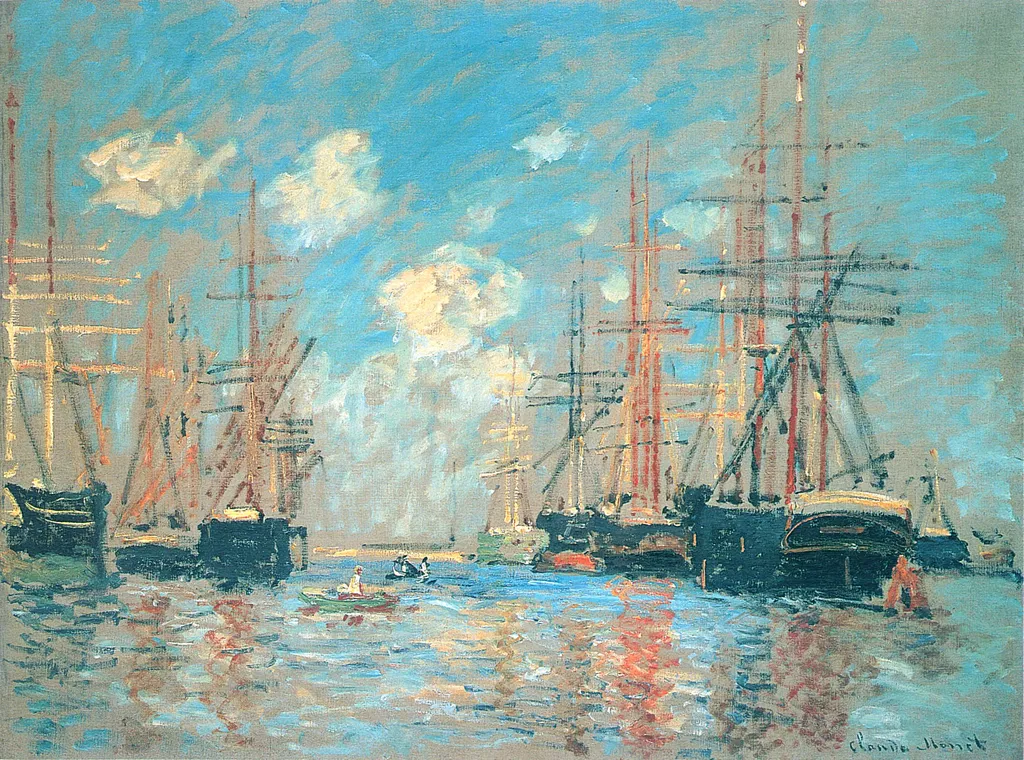
The Sea, Port in Amsterdam gives a buyer two valuable search angles in one product: an exact Claude Monet artwork title and a broader Monet harbor painting reproduction theme. Monet's 1874 Amsterdam subject is built around mist, water reflections, masts, and a cool harbor atmosphere. A hand-painted oil reproduction gives that scene a physical painted surface: visible brush direction, canvas texture, and small variations in paint thickness that a flat canvas print can only depict.
Hand-painted in 10-15 days, then you approve real photos before we ship. The practical difference is clear: a made-to-order painted canvas, a calm maritime mood, and a Monet seascape subject that feels more distinctive than the usual Water Lilies route.
100% hand-painted on canvas, not a print - made for buyers who want visible oil texture and a source-backed Monet harbor composition.
Not all Monet reproductions are equal - and this one has a specific, source-backed identity. The Sea, Port in Amsterdam (French: Marine, port d'Amsterdam) was painted by Claude Monet in 1874, during his journey to the Netherlands. It is cataloged in the Wildenstein Catalogue Raisonné as W.298 and the original canvas measures approximately 60 × 81 cm. The work is currently held in a private collection.
1874 was a pivotal year for Monet and for painting itself - the same year saw the first Impressionist group exhibition in Paris. During his Amsterdam stay, Monet produced a small series of maritime and harbor scenes (W.298-W.301), drawn to the Dutch port's distinctive light, the interplay of water and sky, and the atmospheric envelope of mist and cloud that softened the ships' hulls and masts into near-abstract shapes.
This is not Monet's Water Lilies, not Impression, Sunrise, and not his Giverny garden series. It is a lesser-known but visually compelling harbor scene - a source-backed Monet composition for buyers who want a cooler, quieter Impressionist subject with strong graphic presence, maritime atmosphere, and a setting that stands apart from Monet's more frequently reproduced works.
Monet's approach in this series followed his Impressionist interest in atmosphere: the point was not a literal architectural record of the port, but the changing quality of light as it softened masts, rigging, water, and dockside structures into the surrounding sea air. That makes the work a useful long-tail fit for Monet Amsterdam harbor painting, Monet seascape oil painting reproduction, and Impressionist maritime wall art searches.
What does the painting look like? The composition is primarily horizontal - a wide harbor basin occupying the lower two-thirds of the canvas, with masts and rigging rising against a pale, cloud-streaked sky. There is no single dramatic focal point; instead, the eye moves across the water's surface, catching the broken reflections of hulls and the soft silhouettes of sailing vessels. The color palette is cool and restrained: dove grays, muted navy blues, faded sage greens, and milky whites, punctuated by the warm ochre of a few wooden hull planks. The effect is quiet and contemplative - a scene of early morning or overcast afternoon light rather than the golden drama of his sunrise paintings. This restraint is precisely what makes it unusual among Monet reproductions and exceptionally well-matched to modern, Scandinavian, or coastal interior palettes that favor calm over intensity.
When you compare a hand-painted oil reproduction of The Sea, Port in Amsterdam to a canvas print or giclee version, the difference is structural, not cosmetic. A print renders Monet's brushwork as a flat photograph of texture. A hand-painted oil is a new painted interpretation of that surface, built stroke by stroke in oil pigment on canvas.
Specifically, this reproduction features:
The cool, atmospheric palette of this Monet maritime scene - muted blues, grays, soft whites, and subdued greens - makes it an exceptionally versatile choice for modern interiors. Specifically, it excels in:
For sizing: the original 60 × 81 cm canvas has a roughly 3:4 horizontal orientation. Larger reproductions (80 × 100 cm or 100 × 130 cm) maintain visual coherence while filling wall openings typically found above furniture in modern residential spaces.
Every hand-painted oil reproduction in the Dafen Arts collection follows a defined production and approval process:
What is The Sea, Port in Amsterdam by Claude Monet?
It is a Monet harbor painting from 1874, made during his Amsterdam visit and cataloged as W.298 in the Wildenstein Catalogue Raisonné. It is not as widely reproduced as Monet's Water Lilies or Impression, Sunrise, which makes it useful for buyers searching for a more distinctive Monet seascape oil painting reproduction.
Where is the original painting held?
The original The Sea, Port in Amsterdam (W.298, approx. 60 × 81 cm) is in a private collection and is not on permanent public museum display.
Is this a hand-painted oil painting or a canvas print?
This is a 100% hand-painted oil painting on canvas - not a giclee print, not a digital reproduction, and not a photographic canvas wrap. The visible surface is built with hand-applied oil paint.
What size should I order?
The original W.298 canvas measures approximately 60 × 81 cm (roughly 24 × 32 inches). We offer multiple reproduction sizes. For walls wider than 100 cm, we recommend 80 × 100 cm or larger to maintain the composition's visual impact. Contact us for sizing advice specific to your wall dimensions.
How is this different from canvas print versions of the same painting?
Canvas prints render Monet's brushwork as a photographic image printed onto canvas fabric. A hand-painted oil reproduction is a new physical painting made with oil pigment and visible brushwork. Up close, the painted surface has variation; a print has a flatter, more uniform surface regardless of substrate.
Is the painting ready to hang on arrival?
Yes. The reproduction arrives on a hand-stretched canvas frame. Framing options are available as an add-on. Contact us for framing recommendations based on your interior style.
Why choose a hand-painted Monet seascape reproduction over a giclee or canvas print?
For Impressionist maritime subjects specifically, the hand-painted oil advantage is easy to understand. Monet's harbor scenes rely on visible, directional brushwork to suggest water, rigging, mist, and softened distance. A giclee or canvas print reproduces those marks as a flat image. A hand-painted reproduction rebuilds the scene with oil paint, giving a Monet seascape oil painting reproduction a more tactile surface and a stronger close-viewing experience.
Own real oil texture, not another flat canvas print.
This is a 100% hand-painted oil reproduction of The Sea, Port in Amsterdam, inspired by Claude Monet's 1874 Impressionist maritime series - created brush by brush on canvas by Dafen artists.
Hand-painted in 10-15 days - final photo approval before shipping - express delivery in 5-7 days.
Scale reference: the figure is 180cm tall with an estimated 46cm shoulder width.
Selected size: 32in x 24in (82cm x 60cm)
SKU: MAS-CM-P21386-COM-S
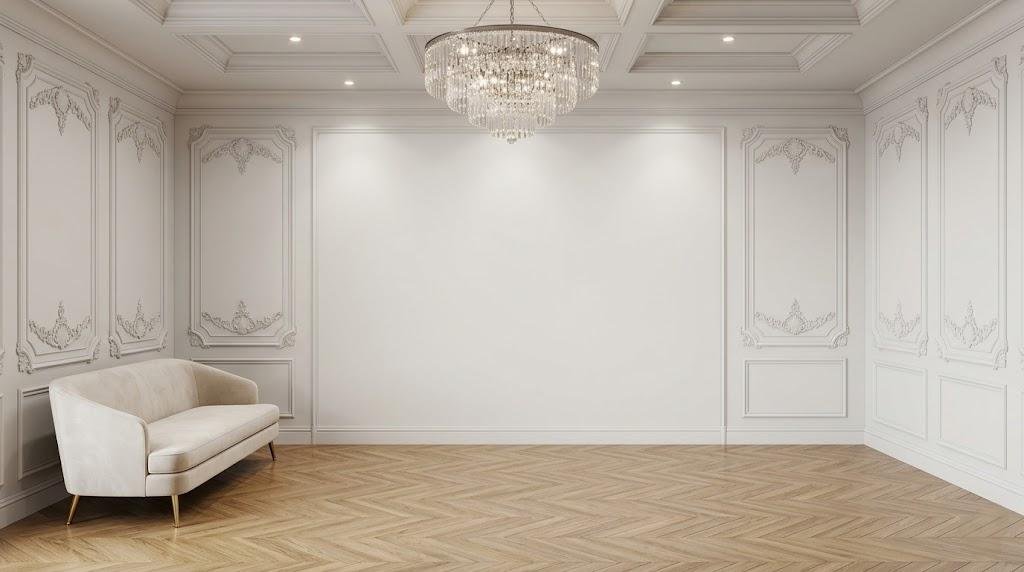
Preview the selected painting inside different interiors. Drag the artwork, adjust the scale, or upload your own room photo before commissioning.
We do not sell flat prints. Every canvas is painted by hand with visible brushwork,
studio review, and material care from the heart of Dafen.
Our studio artists focus on traditional oil painting techniques. Each reproduction is built stroke by stroke with attention to composition, color matching, and surface texture.

We use artist-grade oil paint and durable canvas selected for strong color, texture, and long-term display in normal indoor conditions.
No canvas leaves our studio unchecked. Before dispatch, we review color, composition, brush texture, and packaging readiness, then provide real finished artwork photos for approval when requested.

In an era of hybrid giclee prints, we remain a slow-art island. Every piece begins on blank organic linen, painted entirely by hand. We reject digital shortcuts to guarantee true archival longevity.
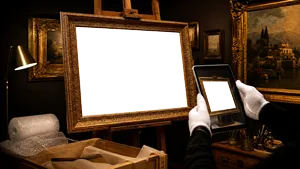
From a single product image, this section previews how the same handmade painting can look in the studio, rolled for local framing, prepared with frame options, or protected for courier delivery. The artwork shown here is the current product image, ready to be replaced by WooCommerce data later.
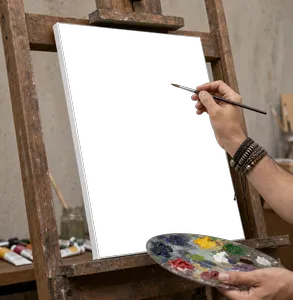
Every DafenArts reproduction is painted stroke by stroke by an experienced studio artist. It is not a print or machine-assisted overlay. The finished piece has layered oil pigment, visible brushwork, and the character of a handmade artwork.

For collectors preferring to collaborate with their local framers, we ship the canvas gently rolled inside a reinforced archival tube. We provide generous blank canvas margins to ensure impeccable stretching without compromising the painted area.
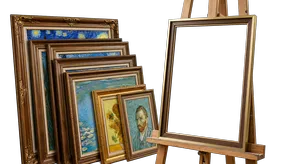
Choose to have your artwork professionally stretched on wooden stretcher bars, finished as a seamless gallery wrap, or paired with a classic frame. These options turn the canvas into a finished, ready-to-display artwork.

Every order is packed for international transit and dispatched via trusted global couriers. Your artwork is protected with packaging matched to the selected finish and supported by shipment tracking from our studio to your address.



Unframed paintings are covered with an archival film, gently rolled, and placed inside a heavy-duty canvas tube.
Stretched and framed paintings are secured with custom foam board constraints and reinforced corrugated boxes.
Clear details about hand painting, approval, delivery, framing, and long-term care before commissioning this artwork.
Each reproduction is painted by hand on canvas by a studio artist. It is not a poster, giclee print, canvas transfer, or printed image with added texture.
Yes. After the painting is completed, studio photos can be sent for approval before dispatch. If a clear order detail needs adjustment, we handle that before shipping.
Yes. Rolled canvas is best for local framing, while stretched canvas, gallery wrap, and framed options are prepared for customers who want a ready-to-hang finish.
Rolled canvases are protected with archival film and shipped in a reinforced tube. Stretched or framed paintings are secured with corner protection, foam board, and a reinforced outer box.
Custom requests can be noted after ordering, including preferred size, crop, orientation, or color direction. The studio will use those notes during production.
Display the painting indoors, away from direct sunlight, extreme humidity, and heat. Dust gently with a soft dry cloth and avoid household cleaners on the painted surface.