What Makes A Museum Quality Oil Painting Reproduction?
A museum quality oil painting reproduction should not be treated as a certificate, a museum endorsement, or a promise that a new painting is the historical original. Buyers usually use the phrase to ask a practical question: does the reproduction have enough visual accuracy, painted surface, scale control, and material evidence to feel serious on the wall?
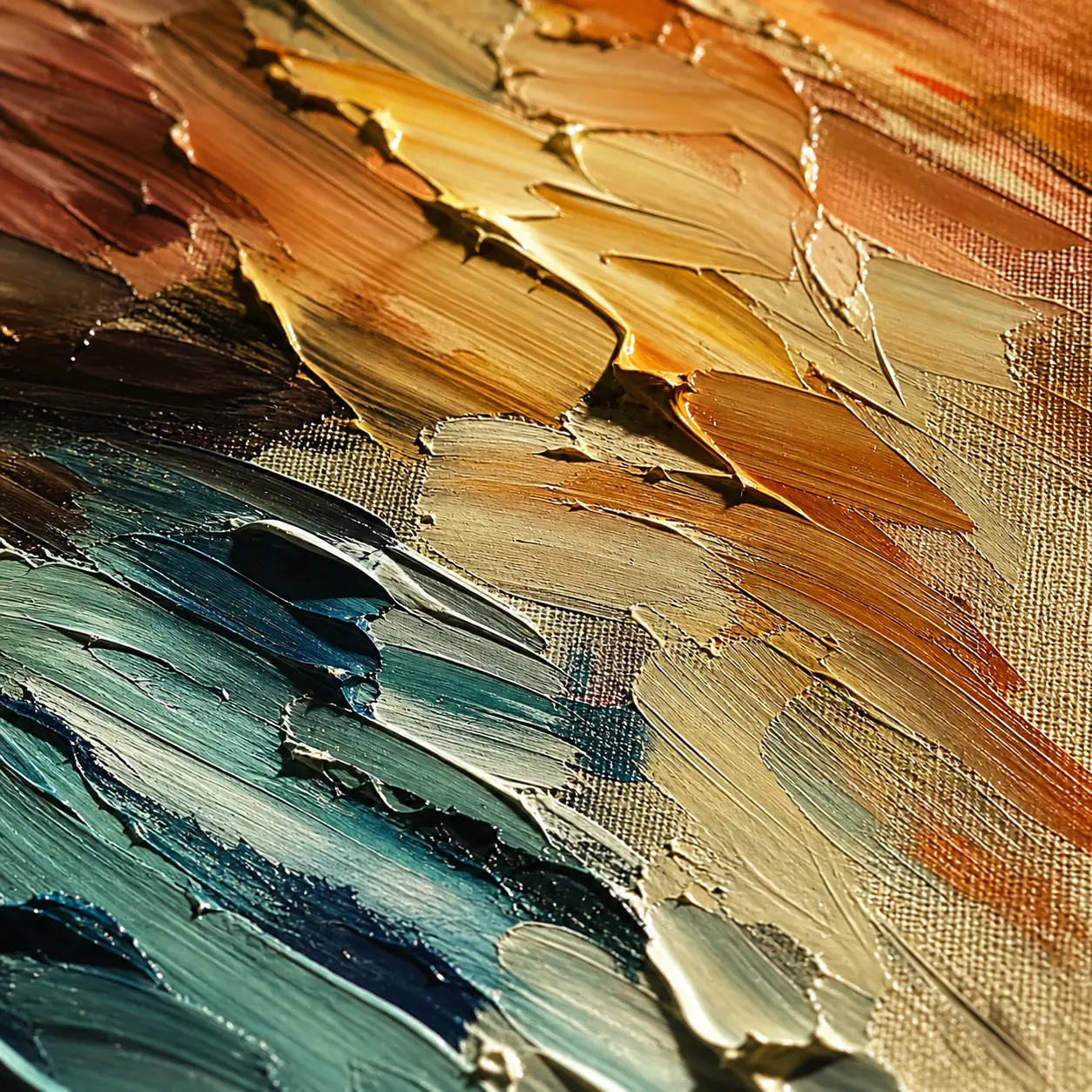
For DafenArts buyers, the answer should come from visible proof. Look for the drawing structure, color relationships, brush direction, paint body, canvas texture, edge handling, and the studio review process before shipment. A strong reproduction is not just an image copied onto canvas. It is a new hand-painted oil painting that translates a reference into layered oil color and a physical surface.
Use this rule first: “museum quality” can describe a buyer checklist, but it does not mean museum-certified, official, licensed, authorized, museum-endorsed, or identical to the historical original unless direct proof exists. If a page cannot show concrete proof, the phrase should be replaced with lower-risk language such as high-detail hand-painted reproduction or visible reproduction quality checklist.
What “Museum Quality” Should Mean Before You Buy
The phrase “museum quality” is often used loosely online. A safer way to read it is as a buyer checklist, not as a formal standard. The reproduction should be judged by whether it can hold up under close viewing, room-scale viewing, and comparison with the reference image.
A serious reproduction begins with accurate composition. The painter should preserve the main proportions, spacing, gesture, and balance of the original reference. If the figure placement, horizon, hands, faces, or architectural lines drift too far, the surface may still be painted, but the reproduction will not feel convincing.
After composition comes color. A reproduction does not need to be a chemically identical copy of the original painting. It does need coherent color relationships: warm and cool balance, shadow depth, highlight control, and transitions that make sense in oil paint rather than in printed ink.
The same caution applies to source images and museum references. Museum object pages can support facts about an artwork, but they do not automatically prove image-use permission, endorsement, licensing, or product certification. When a buyer wants a famous work, the safer path is to connect the choice to Master Artists browsing, artwork-specific reference context where available, and clear reproduction/original wording.
The Six Proof Areas That Matter Most
| Proof Area | What To Look For | Why It Matters |
|---|---|---|
| Reference fidelity | Composition, gesture, main shapes, and color relationships remain recognizable. | A reproduction must respect the source image before surface texture can add value. |
| Painted surface | Brush direction changes with the subject instead of forming a uniform coating. | Real oil paint should build the image, not sit as generic texture over a print. |
| Layering | Visible underlayers, glazing, opaque passages, or impasto where appropriate. | Layering gives the work depth and avoids a flat poster effect. |
| Canvas and edge handling | Close images show canvas texture, edge finish, and paint continuation where relevant. | Edge and surface views help confirm that the work is a physical painting. |
| Scale control | The chosen size preserves the subject’s readability from normal viewing distance. | A large wall reproduction needs more than an enlarged image. It needs controlled detail and proportion. |
| Studio confirmation | The seller can discuss reference review, painting progress, photo confirmation, and packing. | Process clarity reduces risk before a custom or reproduction purchase. |
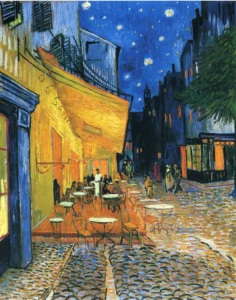
Café Terrace at Night - Nocturnal - Textured
Cafe Terrace at Night (Master Studio)Est. Value Price range: $400.00 through $1,500.00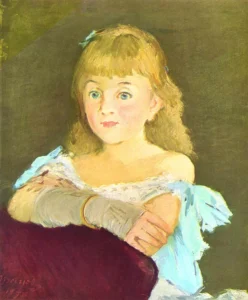
Portrait of Lina Campineanu (1878) - Hand-Painted Oil Reproduction
edouard manet (Master Studio)Est. Value Price range: $340.00 through $1,500.00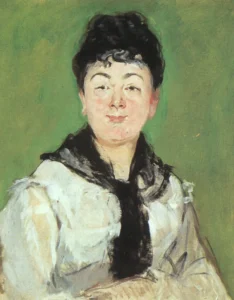
Portrait of a lady with a black fichu (1878) - Hand-Painted Oil Reproduction
edouard manet (Master Studio)Est. Value Price range: $402.00 through $658.00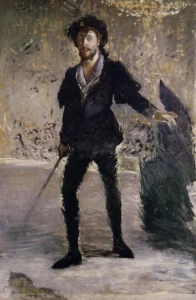
Portrait of Faure as Hamlet (1877) - Hand-Painted Oil Reproduction
edouard manet (Master Studio)Est. Value Price range: $371.00 through $2,648.00
Painted Surface Is The Difference Buyers Can Inspect
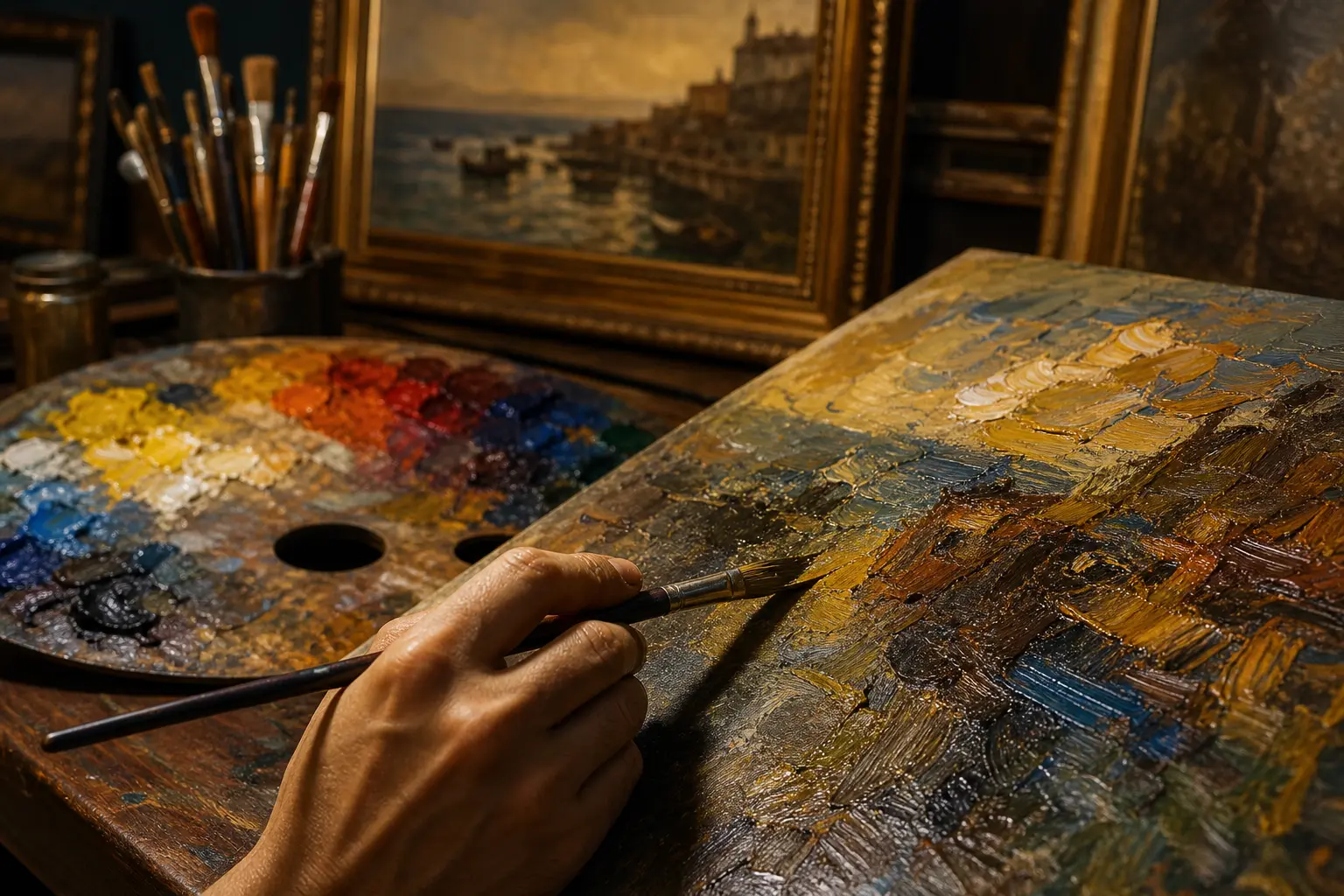
The strongest difference between a hand-painted reproduction and a print is the way the surface responds to light. In a painted work, brush marks, thicker passages, thinner washes, and edges should catch light differently across the canvas. This is especially important for master artist reproductions, where the movement of the brush is part of the visual character.
Texture alone is not enough. A print can be coated with gel or varnish to create raised texture. The better question is whether the brushwork follows the structure of the subject. A painted face, sky, robe, landscape, or flower should not all have the same repeated surface pattern.
If you are comparing a print with a painted canvas, start with the DafenArts guide to giclee vs hand-painted oil painting. If you want a practical inspection checklist, use the guide on how to tell if an oil painting is hand painted.
Reference Accuracy Comes Before Decorative Texture
A reproduction can fail even if it has heavy paint. Buyers should inspect the drawing first. Look at the large shapes before admiring the surface: face placement, hand structure, horizon height, figure spacing, major shadows, and the relationship between foreground and background.
For famous painting reproductions, exact perfection is not the right promise. The historical original cannot be replaced by a new canvas. The goal is a faithful hand-painted interpretation that preserves the visual logic of the artwork while giving the buyer a real oil painting surface.
This is why DafenArts connects reproduction content to the Master Artists collection and the verified Master Artists product category. Buyers should move from article advice into real works, artist categories, and product images rather than judge from generic claims.
Room Scale Changes The Standard
A small reproduction can tolerate softer detail. A large wall painting cannot. When a reproduction is meant for a living room, villa, office, hotel corridor, or formal interior, it needs enough structure to remain readable from several distances. The image should feel composed from across the room and still reward closer inspection.
Before choosing size, ask what the painting must do in the room. A quiet portrait may need controlled edges and calm transitions. A Van Gogh-style work may need stronger directional brushwork and color rhythm. A classical religious or historical composition may need careful figure spacing and tonal balance.
Questions To Ask Before Commissioning Or Buying
- Can I see close-up surface images? Ask for brushwork, canvas, edge, or angled-light views where available.
- Is this hand painted or printed? The seller should answer plainly and avoid hiding behind vague terms like “textured canvas.”
- What reference will be used? For a custom reproduction, the quality of the reference affects drawing, color, and detail.
- Can the size be discussed before painting? Scale changes composition pressure, detail planning, and wall presence.
- How is the work checked before shipment? Look for photo confirmation and packing preparation, not unsupported promises.
For a custom artwork, use the DafenArts custom oil painting path when you need a specific size, reference, subject, or room direction. The same proof logic applies: reference review, painting process, photo confirmation, and protective packing should be part of the conversation.
Words That Need Extra Care
Strong reproduction terms need evidence before they guide a purchase. Read words such as original, official, licensed, authorized, museum-certified, identical, and any size literally, then ask whether the seller can support the specific claim.
- Original: this should refer to the historical artwork, not to a new DafenArts reproduction.
- Official, licensed, or authorized: ask for direct proof from the relevant rights holder, estate, museum, or institution.
- Museum-certified or museum-endorsed: look for a specific documented relationship before trusting the phrase.
- Identical or exact copy: be cautious because brushwork, pigment, scale, surface age, and source image conditions differ.
- Any size: treat this as a custom-size review path covering crop, aspect ratio, wall scale, and shipping feasibility.
How DafenArts Frames Quality Without Overclaiming
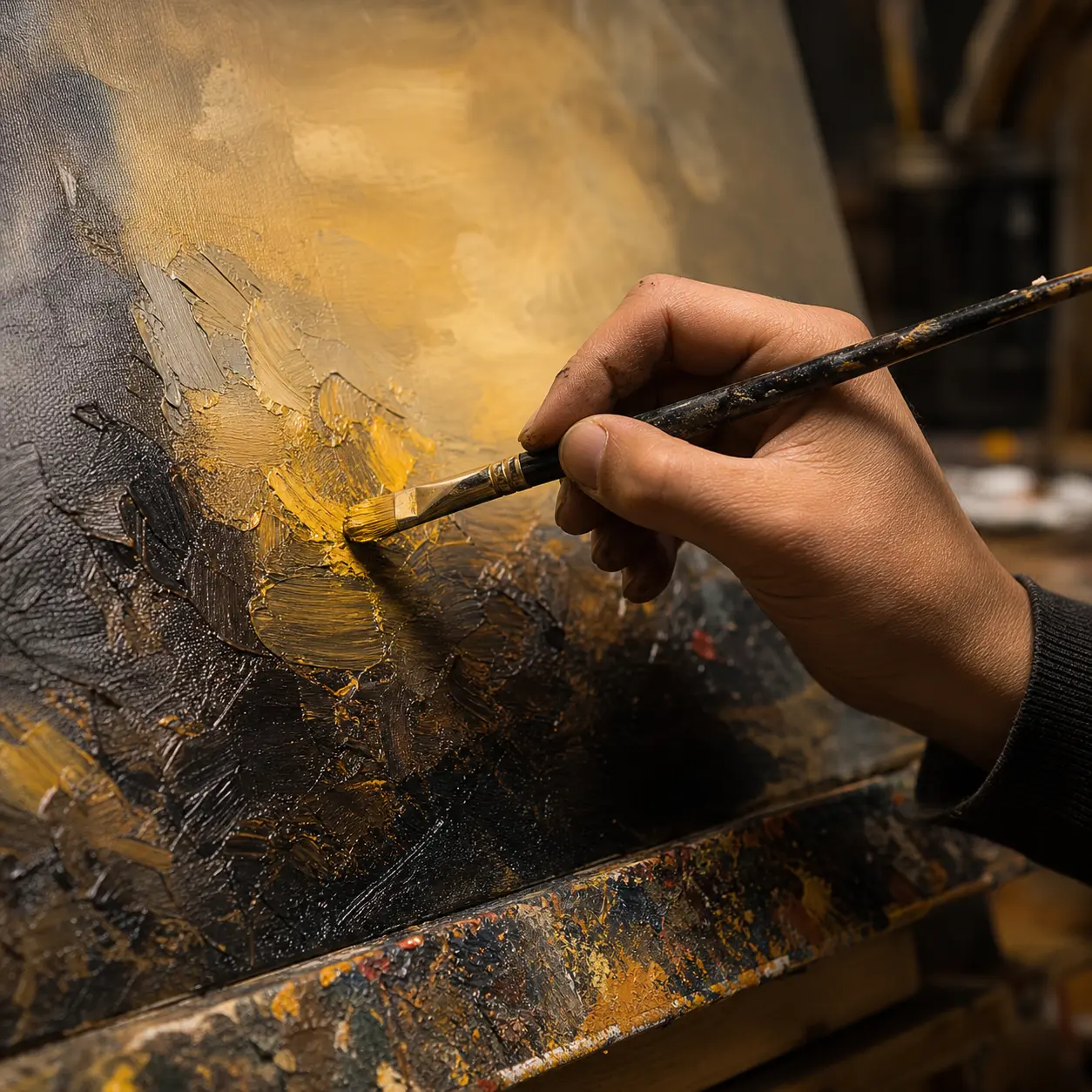
Judge DafenArts by concrete buying evidence: hand-painted oil painting, prepared canvas, layered oil color, visible brushwork, studio review, photo confirmation when relevant, and clear paths to products or custom work. Empty claims that could apply to any art seller are weaker than visible proof.
Use About DafenArts for studio and Dafen background, then move to the product collection or custom request path that fits the project. For shipping expectations after a painting is finished, review the shipping policy.
Buyer Rule: Treat “Museum Quality” As A Proof Request
The safest rule is simple: do not buy a reproduction because the listing says “museum quality.” Buy it because the evidence supports the claim. Look for composition control, painted surface, canvas detail, appropriate scale, and a clear studio process.
When those proof points are visible, a reproduction can function as a serious art acquisition for a home, office, hospitality space, or custom project. When the proof is missing, the phrase is only marketing language.
Frequently asked questions.
Direct answers for buyers comparing hand-painted oil painting options, custom details, and the next step before ordering.
No. In most online art buying, “museum quality” is a marketing phrase rather than a formal certification. Buyers should treat it as a request for proof: accurate composition, convincing color, real painted surface, canvas detail, and clear studio process.
No. A hand-painted reproduction is a new painting made from a reference. It is not the historical original. Its value comes from the hand-painted surface, scale, execution, and how well it serves the buyer’s room or project.
Ask for clear product images, close surface views, angled-light photos, edge or canvas details, and process communication for custom work. Then compare the drawing, color relationships, brushwork, and scale against the intended use.
It depends on the goal. A giclee can be useful when a flat printed image is enough. A hand-painted reproduction is better when the buyer wants visible oil paint, brushwork, canvas texture, custom sizing, and a physical artwork presence.