
Experienced Studio Artists
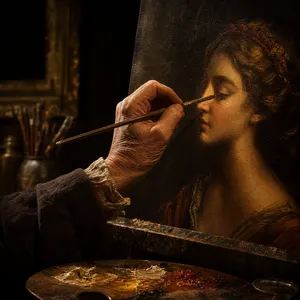
Our studio artists focus on traditional oil painting techniques. Each reproduction is built stroke by stroke with attention to composition, color matching, and surface texture.

This Asparagus Manet oil painting reproduction turns an unusually simple still-life subject into a focused piece of wall art. One pale asparagus spear lies across a warm ochre field, with dark accents at the tip and lower edge. The open background, restrained palette, and visible painted marks give the composition room to breathe. It can read clearly from across a room while still rewarding a closer look at the shifts in yellow, cream, brown, olive, and charcoal.
The DafenArts product is a new hand-painted oil reproduction made after Edouard Manet's composition. It is not the historical painting, it was not painted by Manet, and this page does not claim museum authorization or certification. That distinction lets you shop for a physically painted interpretation while keeping the authorship of the nineteenth-century artwork clear.
A printed image reproduces color through ink or toner. A hand-painted reproduction builds the image through applied oil color, so brush direction, transitions, edges, and small painter-made differences become part of the finished object. In this composition, those differences matter because there are so few elements to hide behind. The asparagus must remain legible, the warm field must avoid becoming mechanically uniform, and the dark lower passage must support the subject without overwhelming it.
Look at the product image under angled light and you can see changes in the painted surface across the yellow background and along the spear. The goal is not an identical copy of an aged historical surface or an exact pigment match. It is a contemporary painted interpretation that preserves the recognizable single-asparagus composition, warm tonal balance, and spare visual rhythm.
The historical artwork is recorded at 21 x 16 cm (8.27 x 6.3 in). Those measurements describe the 1880 reference artwork, not every product variation. The available options are 81 x 61 cm, 99 x 74 cm, and 21 x 16 cm. Their closely related proportions help preserve the horizontal relationship between the asparagus spear and the surrounding open field without requiring a severe crop.
The option labelled Museum Original uses the recorded 21 x 16 cm dimensions as a size reference. It does not mean that the buyer receives Manet's original artwork, a museum-owned object, or a museum-certified reproduction. Choose that option when you want the compact historical dimensions. Choose one of the larger commercial sizes when you want the same restrained subject to hold more wall space.
The source record identifies Asparagus as an 1880 work associated with Edouard Manet and records the full artwork at 21 x 16 cm. Manet was a nineteenth-century French painter important to the development of modern painting. On this product page, that artist context identifies the composition that inspired the reproduction; it does not transfer Manet's authorship to the newly painted DafenArts product.
The image is striking because of its economy. Instead of arranging fruit, vessels, fabric, and flowers into a crowded display, the composition gives nearly all of its attention to one vegetable. The spear runs horizontally across the lower half, while the open yellow-ochre background carries irregular strokes and tonal changes. A dark band at the bottom anchors the image, and the small dark mark near the upper right adds a counterpoint to the long horizontal subject.
This simplicity gives the painting a modern decorative flexibility without requiring unsupported claims about its original ownership, exhibition history, or symbolism. A buyer can respond directly to what is visible: a compact still life, an earthy palette, asymmetrical placement, and a surface that feels deliberately worked rather than digitally smooth.
The dominant warm ochre can work as a soft accent among cream, off-white, olive, muted green, charcoal, dark wood, and aged brass. It is warm without relying on bright red or orange, and the open background keeps the image from feeling visually crowded. In a kitchen or dining area, the subject creates a direct food and still-life connection. In a study, reading corner, or hallway, its spare composition can offer a moment of visual pause.
For a contemporary room, pair it with simple furniture and let the irregular paint handling interrupt clean architectural lines. For a more traditional interior, the yellow-brown palette can sit comfortably beside wood, woven textiles, and understated frames. The larger 81 x 61 cm and 99 x 74 cm options can act as a focused accent over a console, small dining table, or sideboard. The 21 x 16 cm option is better suited to a shelf arrangement, a compact wall, or a grouped display where viewers can approach closely.
Lighting changes how a painted surface reads. Diffuse daylight can reveal the broad tonal movement in the background, while a controlled picture light can make raised marks and darker passages easier to see. Avoid placing the work where strong direct glare hides the asparagus or flattens the warm color field. Before ordering a larger size, mark the dimensions on the wall with low-tack tape and check the outline from the room's normal viewing position.
Commercial Small, 81 x 61 cm: a substantial but manageable size for a kitchen, dining nook, study, hallway, or wall above a narrow console. It enlarges the original composition while keeping the subject intimate enough for medium viewing distances.
Commercial Large, 99 x 74 cm: the strongest choice when the painting needs to read across a broader dining room, living area, hospitality space, or office. The open field becomes more immersive at this scale, so surrounding wall color and lighting have a greater effect on the result.
Museum Original, 21 x 16 cm: a compact option based on the recorded historical dimensions. The label describes the size relationship only. The delivered product remains a newly hand-painted reproduction after Manet, not the historical original and not a museum-issued object.
All three choices remain close to the same aspect ratio. That reduces the need for major cropping, but hand-painted production can still introduce small differences in edge handling, brush direction, and tonal balance. Evaluate the whole composition first: the spear should remain the focal point, the ochre field should retain visible variation, and the dark lower edge should anchor rather than dominate.
Is this an original Edouard Manet painting? No. This is a modern hand-painted oil reproduction after Manet's Asparagus. The artist name and artwork title identify the historical source composition.
Is the product a canvas print? The product is offered as a hand-painted oil reproduction. The painted surface should show physical brushwork and natural painter-made variation rather than a mechanically uniform printed image.
What does the 21 x 16 cm measurement mean? It is the recorded size of the historical reference artwork and the dimensions used for the compact Museum Original variation. It should not be confused with the two larger product options.
Does Museum Original mean museum certified? No. In this variation list, it is a grade and size label. It does not claim ownership of the historical painting, museum authorization, licensing, certification, or an identical surface.
Which rooms suit the image? The still-life subject and restrained warm palette can work in kitchens, dining spaces, studies, hallways, reading areas, offices, or hospitality interiors. Final suitability depends on wall dimensions, surrounding colors, and viewing distance.
What should I inspect in the finished painting? Check the shape and placement of the asparagus, the balance between pale and dark areas, the variation across the ochre background, the lower dark band, and how the chosen size preserves open space around the subject.
What arrives? A new hand-painted oil reproduction after Manet, not the 1880 historical original or a canvas print. Which size fits? The 21 x 16 cm option follows the recorded reference dimensions; 81 x 61 cm and 99 x 74 cm provide larger wall presence. Where can it go? Its spare warm ochre still life suits a kitchen, dining room, study, hallway, or grouped display. Review the finished photo for composition, surface variation, and the open space around the spear before shipping.
Bring the quiet impact of Manet's single-asparagus still life to your wall in real oil paint.
This is a hand-painted oil reproduction after Edouard Manet's Asparagus, not the 1880 historical original and not a canvas print.
Choose from three proportion-matched sizes, including the recorded 21 x 16 cm original-artwork dimensions.
Scale reference: the figure is 180cm tall with an estimated 46cm shoulder width.
Selected size: 32in x 24in (81cm x 61cm)
SKU: MAS-EM-P24682-COM-S
Preview the selected painting inside different interiors. Drag the artwork, adjust the scale, or upload your own room photo before commissioning.
We do not sell flat prints. Every canvas is painted by hand with visible brushwork,
studio review, and material care from the heart of Dafen.
Our studio artists focus on traditional oil painting techniques. Each reproduction is built stroke by stroke with attention to composition, color matching, and surface texture.

We use artist-grade oil paint and durable canvas selected for strong color, texture, and long-term display in normal indoor conditions.
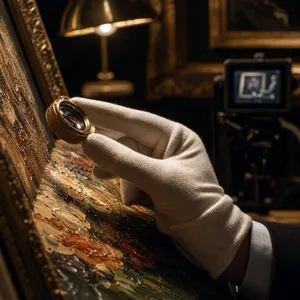
No canvas leaves our studio unchecked. Before dispatch, we review color, composition, brush texture, and packaging readiness, then provide real finished artwork photos for approval when requested.
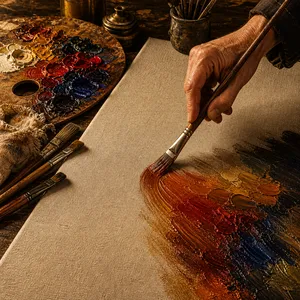
In an era of hybrid giclee prints, we remain a slow-art island. Every piece begins on blank organic linen, painted entirely by hand. We reject digital shortcuts to guarantee true archival longevity.
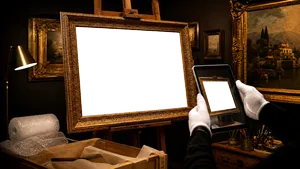
From a single product image, this section previews how the same handmade painting can look in the studio, rolled for local framing, prepared with frame options, or protected for courier delivery. The artwork shown here is the current product image, ready to be replaced by WooCommerce data later.
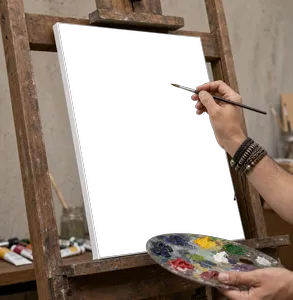
Every DafenArts reproduction is painted stroke by stroke by an experienced studio artist. It is not a print or machine-assisted overlay. The finished piece has layered oil pigment, visible brushwork, and the character of a handmade artwork.
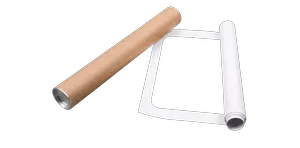
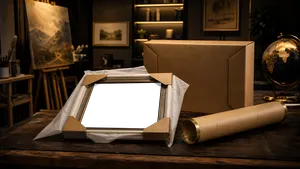
For collectors preferring to collaborate with their local framers, we ship the canvas gently rolled inside a reinforced archival tube. We provide generous blank canvas margins to ensure impeccable stretching without compromising the painted area.
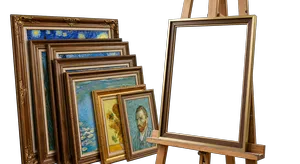
Choose to have your artwork professionally stretched on wooden stretcher bars, finished as a seamless gallery wrap, or paired with a classic frame. These options turn the canvas into a finished, ready-to-display artwork.
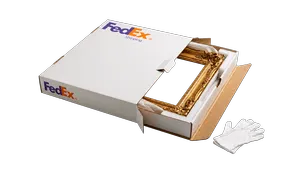
Every order is packed for international transit and dispatched via trusted global couriers. Your artwork is protected with packaging matched to the selected finish and supported by shipment tracking from our studio to your address.


Unframed paintings are covered with an archival film, gently rolled, and placed inside a heavy-duty canvas tube.
Stretched and framed paintings are secured with custom foam board constraints and reinforced corrugated boxes.
Clear details about hand painting, approval, delivery, framing, and long-term care before commissioning this artwork.
Each reproduction is painted by hand on canvas by a studio artist. It is not a poster, giclee print, canvas transfer, or printed image with added texture.
Yes. After the painting is completed, studio photos can be sent for approval before dispatch. If a clear order detail needs adjustment, we handle that before shipping.
Yes. Rolled canvas is best for local framing, while stretched canvas, gallery wrap, and framed options are prepared for customers who want a ready-to-hang finish.
Rolled canvases are protected with archival film and shipped in a reinforced tube. Stretched or framed paintings are secured with corner protection, foam board, and a reinforced outer box.
Custom requests can be noted after ordering, including preferred size, crop, orientation, or color direction. The studio will use those notes during production.
Display the painting indoors, away from direct sunlight, extreme humidity, and heat. Dust gently with a soft dry cloth and avoid household cleaners on the painted surface.