



Experienced Studio Artists
Our studio artists focus on traditional oil painting techniques. Each reproduction is built stroke by stroke with attention to composition, color matching, and surface texture.
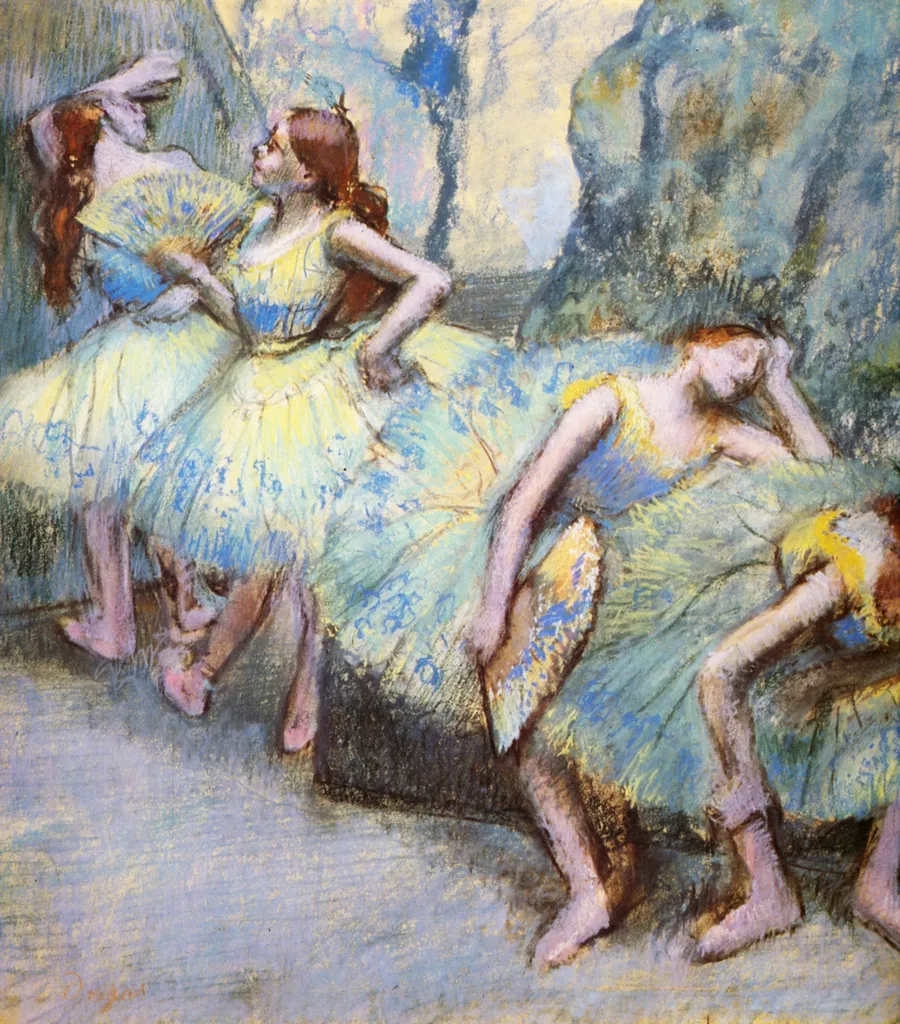
Every brushstroke of Ballet Dancers in the Wings carries the passion of a master artist from Dafen Arts. Hand-painted in 10–15 days, then you approve real photos before we ship. No surprises, just beauty.
100% hand-painted, not a print — your guests will feel the texture the moment they step closer.
Whether your interior is minimalist, boho, or classic, Ballet Dancers in the Wings bridges styles effortlessly. Hang it in a living room to invite guests to linger, in a home office to fuel creativity, or in a bedroom for museum-like serenity.
Ready to hang, with brass hooks and wire — no extra framing needed.
Most "oil painting reproductions" sold online are giclée prints with a coat of clear varnish to fake texture. Ours is genuinely hand-painted by Dafen masters. No ugly dots, no machine patterns — just authentic artistry backed by a 30-Day Satisfaction Guarantee.
We ship only after you approve real photos — complete peace of mind.
In the late 1890s, as his eyesight began to fail, Edgar Degas retreated from the precise, academic lines of his youth and surrendered to the power of pure, saturated color. Ballet Dancers in the Wings represents the pinnacle of this expressive period. While the public of 19th-century Paris was captivated by the artifice of the stage, Degas was obsessed with what happened behind the velvet curtains. He famously demanded "backstage access" to the Paris Opéra, not to socialize with the elite subscribers, but to witness the raw, unglamorous physicality of the dancers. This specific work, created between 1890 and 1900, captures four ballerinas in a diagonal cascade, a composition heavily influenced by the Japanese woodblock prints Degas collected. Unlike his earlier, more clinical observations, this late-period masterpiece is a triumph of memory over sight. Our hand-painted oil reproduction meticulously recreates the "snapshot" perspective that defined Degas as the first truly modern artist, ensuring that every master artist stroke reflects the exhaustion and grace of the dancers waiting in the shadows.
The historical significance of this piece lies in its rejection of traditional beauty. Degas once remarked, "They call me the painter of dancing girls; they don't know that my main interest in them is to render movement and paint pretty clothes." In Ballet Dancers in the Wings, the movement is not the performance itself, but the adjustment of a slipper, the resting of a head on a hand, and the heavy lean against a wooden flat. This is not just museum quality wall art; it is a document of the "demi-monde" of Paris, where the glamour of the ballet met the grit of a working-class profession. By choosing to hang this large canvas for living room display, you are not merely adding color to a wall; you are preserving a moment of 19th-century history that Degas felt was vanishing before his very eyes.
The challenge of recreating a Degas lies in his unique technical evolution. Though the original was a pastel, our artists translate that ephemeral, chalky texture into the permanent and rich medium of oil. This process results in a sculptural surface where the light does not just hit the canvas—it interacts with it. In this hand-painted oil reproduction, you will find that the turquoise and vibrant orange tutus are built with multiple layers of pigment, creating a depth that no digital print could ever hope to mimic. Our artists use a "dry brush" technique in specific areas to mirror the powdery look of Degas's late pastels, ensuring the museum quality finish remains faithful to the artist's original intent.
When you view the painting under natural light, the impasto textures of the dancers' bodices and the feathered edges of their skirts reveal the hand of the creator. Every ridge of paint acts as a miniature prism, catching highlights and casting tiny shadows that change throughout the day. This physical depth is essential for large canvas for living room placements, where the scale of the work demands a tactile presence. The contrast between the dark, shadowy background of the "wings" and the luminous, glowing skin of the ballerinas is achieved through traditional glazing techniques, a process that takes hand-painted in 10–15 days to ensure each layer is perfectly cured. The result is a work of art that feels alive, vibrating with the same nervous energy that the dancers felt before stepping into the spotlight.
Degas was a man of contradictions: a wealthy banker’s son who spent his life documenting the working class, and a neoclassical-trained draftsman who became a founding father of Impressionism. Ballet Dancers in the Wings captures his fascination with the "human animal" in various states of repose. The dancer in the foreground, stooping to tend to a sore muscle or adjust a ribbon, illustrates Degas’s belief that "nothing in art must seem an accident, not even movement." He would often have the same model pose for him hundreds of times in his studio, recreating these backstage scenes from a combination of sketches and his formidable memory. This particular composition is renowned for its "asymmetrical cropping," where the dancers are pushed to the left, leaving a vast, dark space to the right—a daring move that forces the viewer to feel as though they are peeking through a crack in the stage door.
The emotional weight of the piece is found in the weary posture of the dancer leaning against the wall. By the 1890s, Degas was becoming increasingly reclusive, and his paintings became more intimate and somber. This hand-painted oil reproduction captures that transition from the bright, airy rehearsal rooms of his 1870s work to the moody, atmospheric backstage environments of his later years. It is a narrative of endurance, making it a profound piece of museum quality wall art for those who appreciate the discipline behind the art. When you own this ready to hang masterpiece, you are engaging with the same visual puzzles that occupied Degas for over four decades of his career.
It is vital to understand the distinction of this work: This is 100% hand-painted on premium archival linen. In an era of mass-produced decor, this piece stands as a testament to human skill and traditional craftsmanship. This is NOT a canvas print, NOT a giclée, and NOT a poster. It is a genuine hand-painted oil reproduction, created by a single master artist who has spent years studying the specific brushwork and color theory of Edgar Degas. Every detail, from the delicate layering of the tulle to the heavy, architectural lines of the backstage scenery, is rendered by hand using professional-grade oils.
We utilize premium archival linen because it provides a superior tooth and durability compared to standard cotton canvas. This ensures that your museum quality wall art will not sag or degrade over time, but will instead become a family heirloom. Each painting comes with a Certificate of Authenticity, confirming its origin in our specialist Dafen studio, where the world’s most talented copyists bring historical masterworks back to life. This is the difference between a flat image and a soulful recreation that carries the weight and "smell" of real oil paint.
Ballet Dancers in the Wings is a versatile masterpiece that anchors a variety of sophisticated interior styles. Due to its unique palette of cool teals and warm, fiery oranges, it serves as an excellent bridge for rooms that feature both wood tones and metallic accents. For a large canvas for living room application, we recommend hanging this piece above a velvet sofa in navy or charcoal. The dark "negative space" in the painting’s composition will blend seamlessly with a moody, dark-walled study or a formal library, creating an atmosphere of intellectual curiosity and Old World charm.
In a modern, minimalist office lobby, the ready to hang canvas provides a necessary touch of humanity and organic texture, breaking up the hard lines of contemporary furniture. Because Degas’s late work leans toward abstraction, it also complements "Parisian Chic" decors, pairing beautifully with gilded mirrors, marble fireplaces, and herringbone floors. Avoid placing this in a room with too many competing patterns; the complex textures of the tutus deserve to be the focal point of the space. Whether you choose to display it in a traditional heavy gold frame or a sleek, modern floater frame, this hand-painted oil reproduction will command the attention of every guest who enters the room.
Bring home the soul of the original — meticulously hand-painted, not printed.
This is a 100% hand-painted oil reproduction of Ballet Dancers in the Wings by Edgar Degas, meticulously created brush by brush on premium archival linen canvas by master Dafen artists.
Hand-painted in 10–15 days • Final photo approval before shipping • Express delivery in 5–7 days
Scale reference: the figure is 180cm tall with an estimated 46cm shoulder width.
Selected size: 20in x 24in (50cm x 60cm)
SKU: LUX-ED-BALLET-DANCE-011-20X24
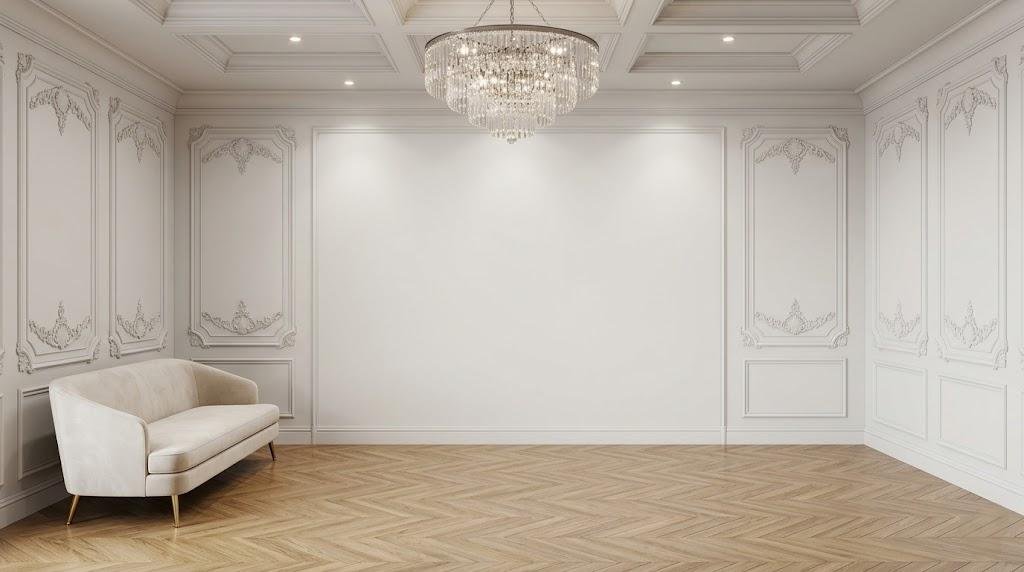
Preview the selected painting inside different interiors. Drag the artwork, adjust the scale, or upload your own room photo before commissioning.
We do not sell flat prints. Every canvas is painted by hand with visible brushwork,
studio review, and material care from the heart of Dafen.
Our studio artists focus on traditional oil painting techniques. Each reproduction is built stroke by stroke with attention to composition, color matching, and surface texture.

We use artist-grade oil paint and durable canvas selected for strong color, texture, and long-term display in normal indoor conditions.
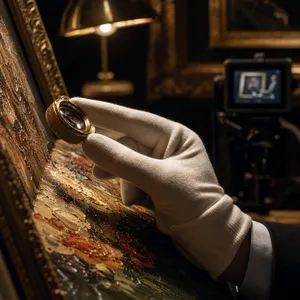
No canvas leaves our studio unchecked. Before dispatch, we review color, composition, brush texture, and packaging readiness, then provide real finished artwork photos for approval when requested.
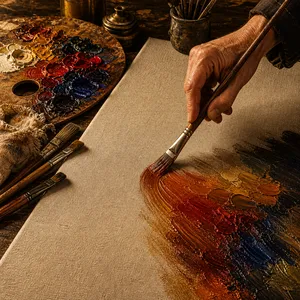
In an era of hybrid giclee prints, we remain a slow-art island. Every piece begins on blank organic linen, painted entirely by hand. We reject digital shortcuts to guarantee true archival longevity.
From a single product image, this section previews how the same handmade painting can look in the studio, rolled for local framing, prepared with frame options, or protected for courier delivery. The artwork shown here is the current product image, ready to be replaced by WooCommerce data later.
Every DafenArts reproduction is painted stroke by stroke by an experienced studio artist. It is not a print or machine-assisted overlay. The finished piece has layered oil pigment, visible brushwork, and the character of a handmade artwork.

For collectors preferring to collaborate with their local framers, we ship the canvas gently rolled inside a reinforced archival tube. We provide generous blank canvas margins to ensure impeccable stretching without compromising the painted area.

Choose to have your artwork professionally stretched on wooden stretcher bars, finished as a seamless gallery wrap, or paired with a classic frame. These options turn the canvas into a finished, ready-to-display artwork.

Every order is packed for international transit and dispatched via trusted global couriers. Your artwork is protected with packaging matched to the selected finish and supported by shipment tracking from our studio to your address.



Unframed paintings are covered with an archival film, gently rolled, and placed inside a heavy-duty canvas tube.
Stretched and framed paintings are secured with custom foam board constraints and reinforced corrugated boxes.
Clear details about hand painting, approval, delivery, framing, and long-term care before commissioning this artwork.
Each reproduction is painted by hand on canvas by a studio artist. It is not a poster, giclee print, canvas transfer, or printed image with added texture.
Yes. After the painting is completed, studio photos can be sent for approval before dispatch. If a clear order detail needs adjustment, we handle that before shipping.
Yes. Rolled canvas is best for local framing, while stretched canvas, gallery wrap, and framed options are prepared for customers who want a ready-to-hang finish.
Rolled canvases are protected with archival film and shipped in a reinforced tube. Stretched or framed paintings are secured with corner protection, foam board, and a reinforced outer box.
Custom requests can be noted after ordering, including preferred size, crop, orientation, or color direction. The studio will use those notes during production.
Display the painting indoors, away from direct sunlight, extreme humidity, and heat. Dust gently with a soft dry cloth and avoid household cleaners on the painted surface.